Floorball
Floorball Originated in Sweden
Floorball is a relatively young sport that has been developed and played in Sweden since the 1960s. During the 1970s, it grew into a Swedish grassroots movement.
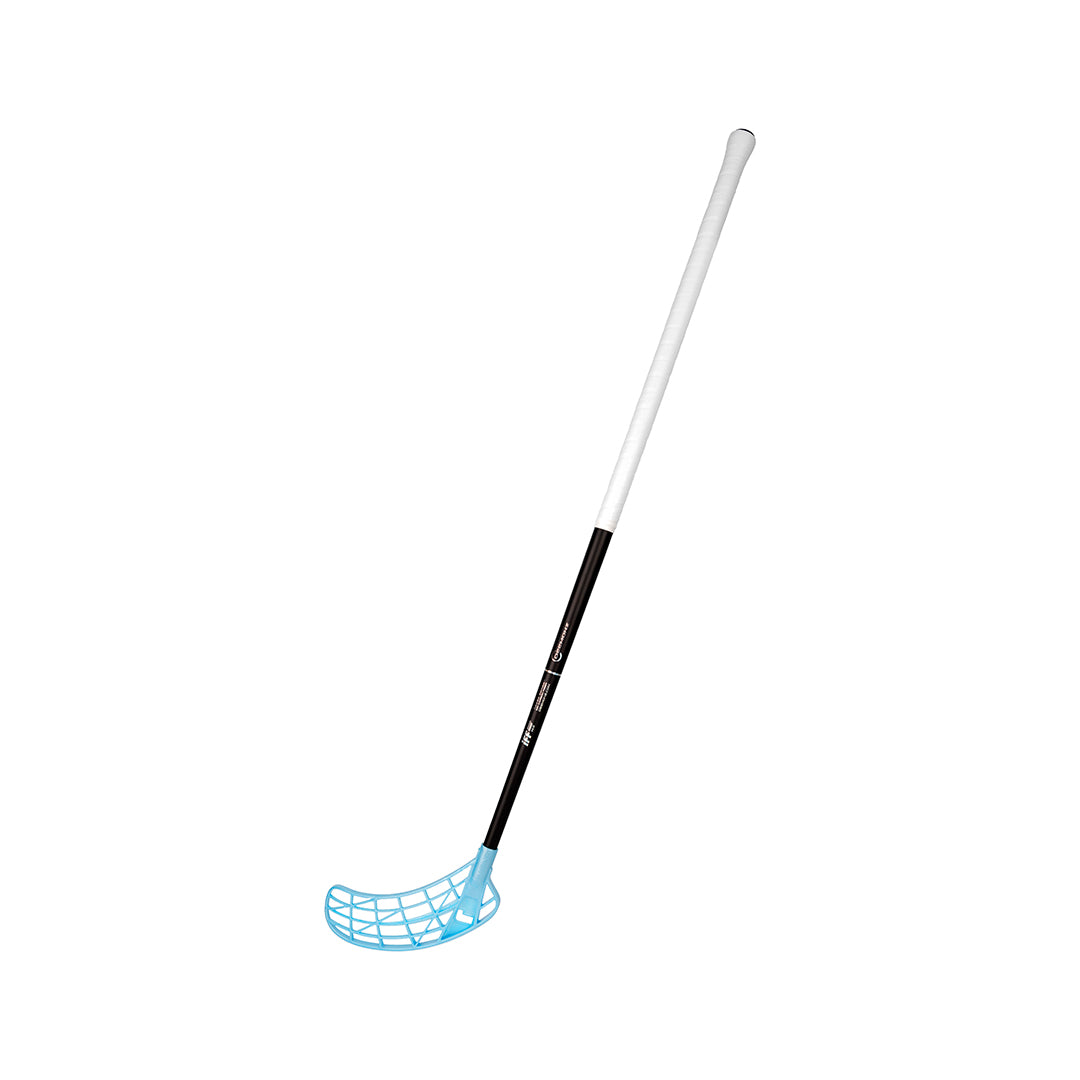
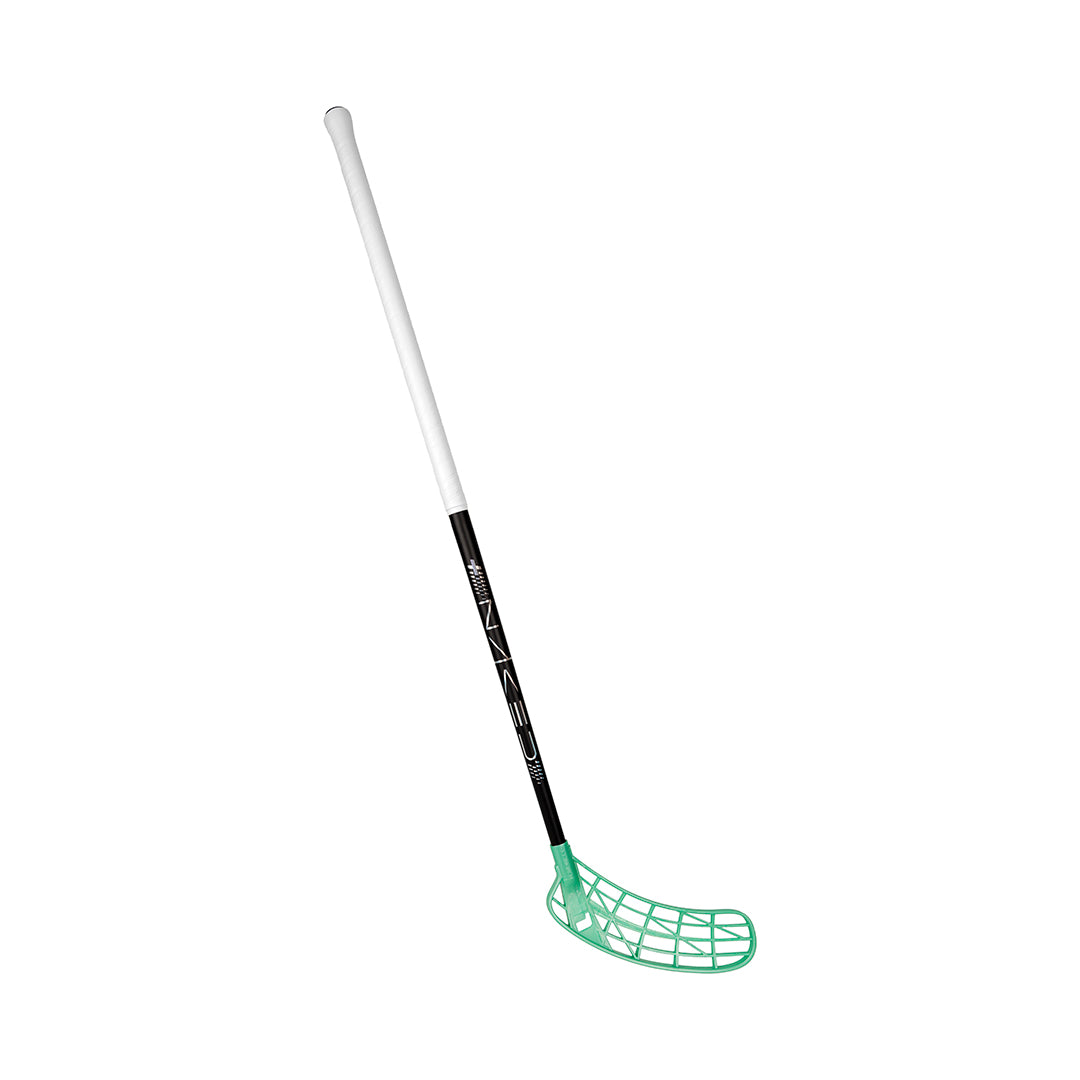
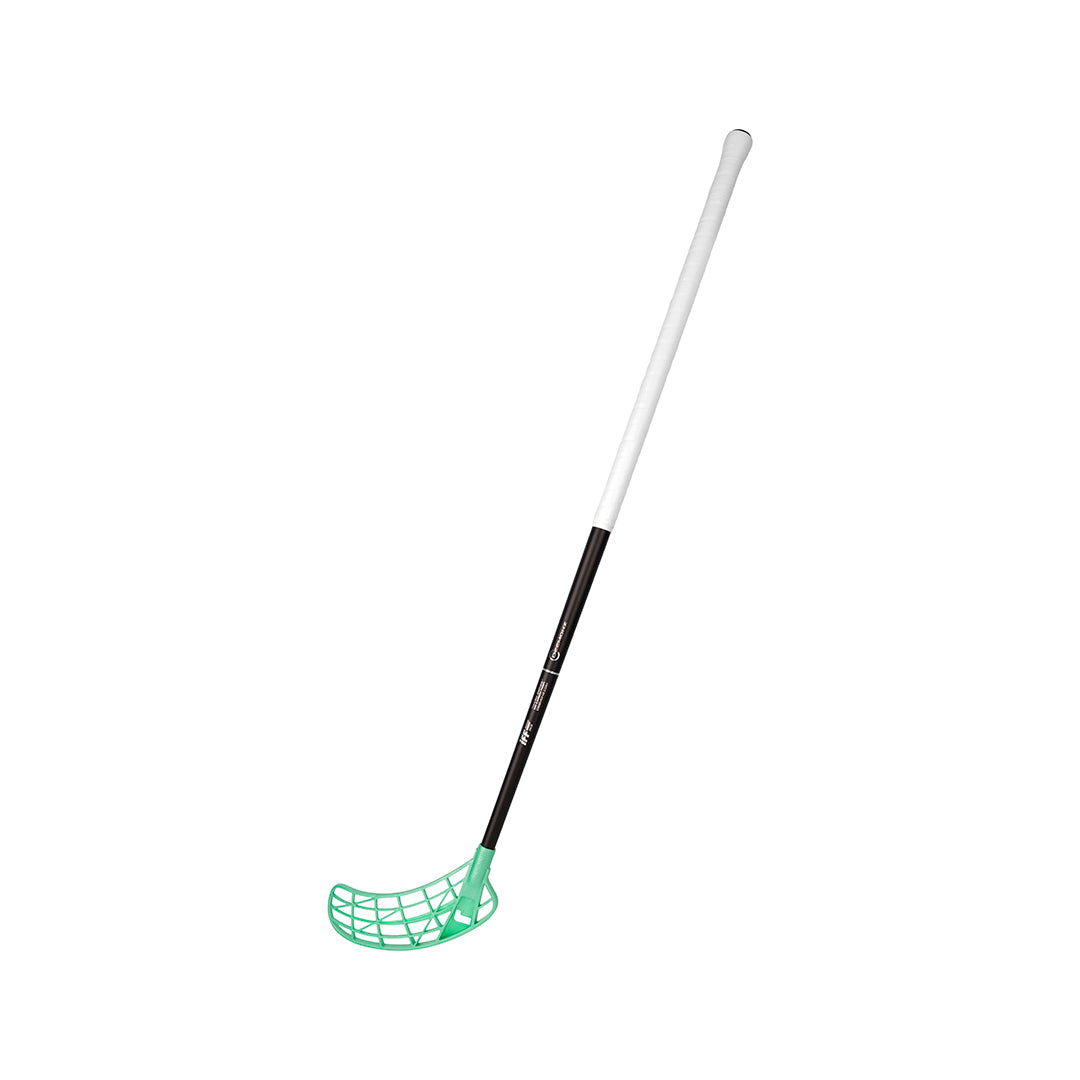
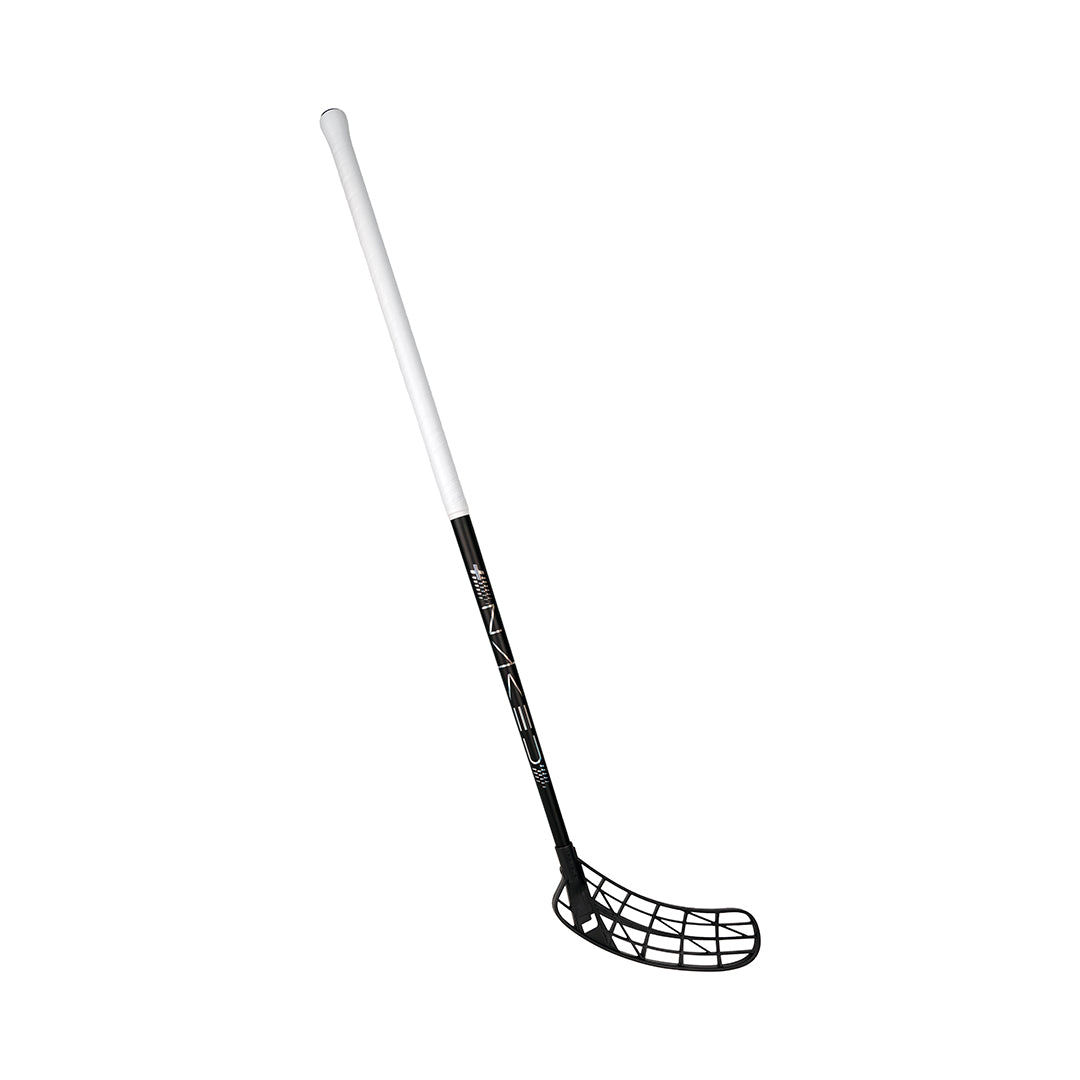
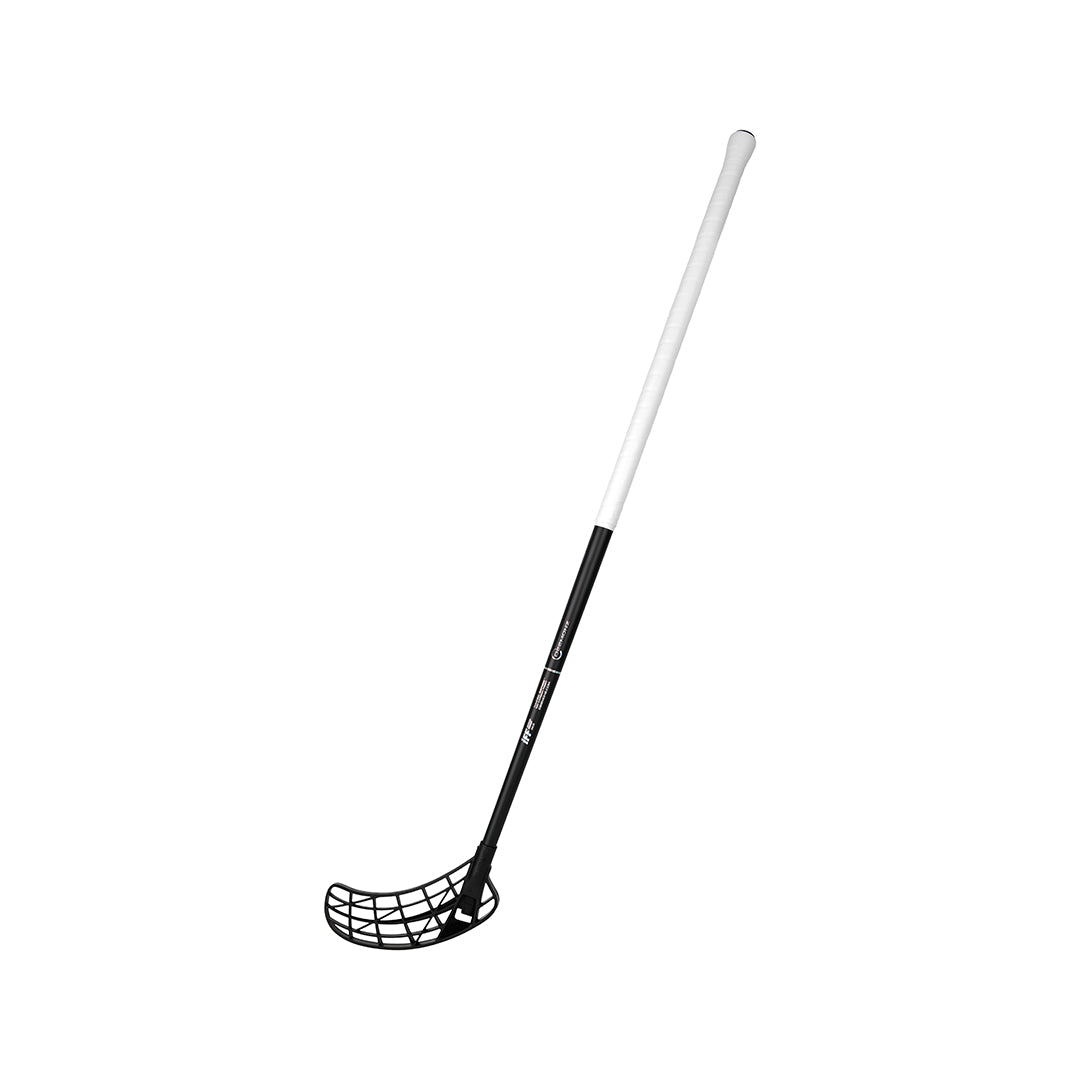
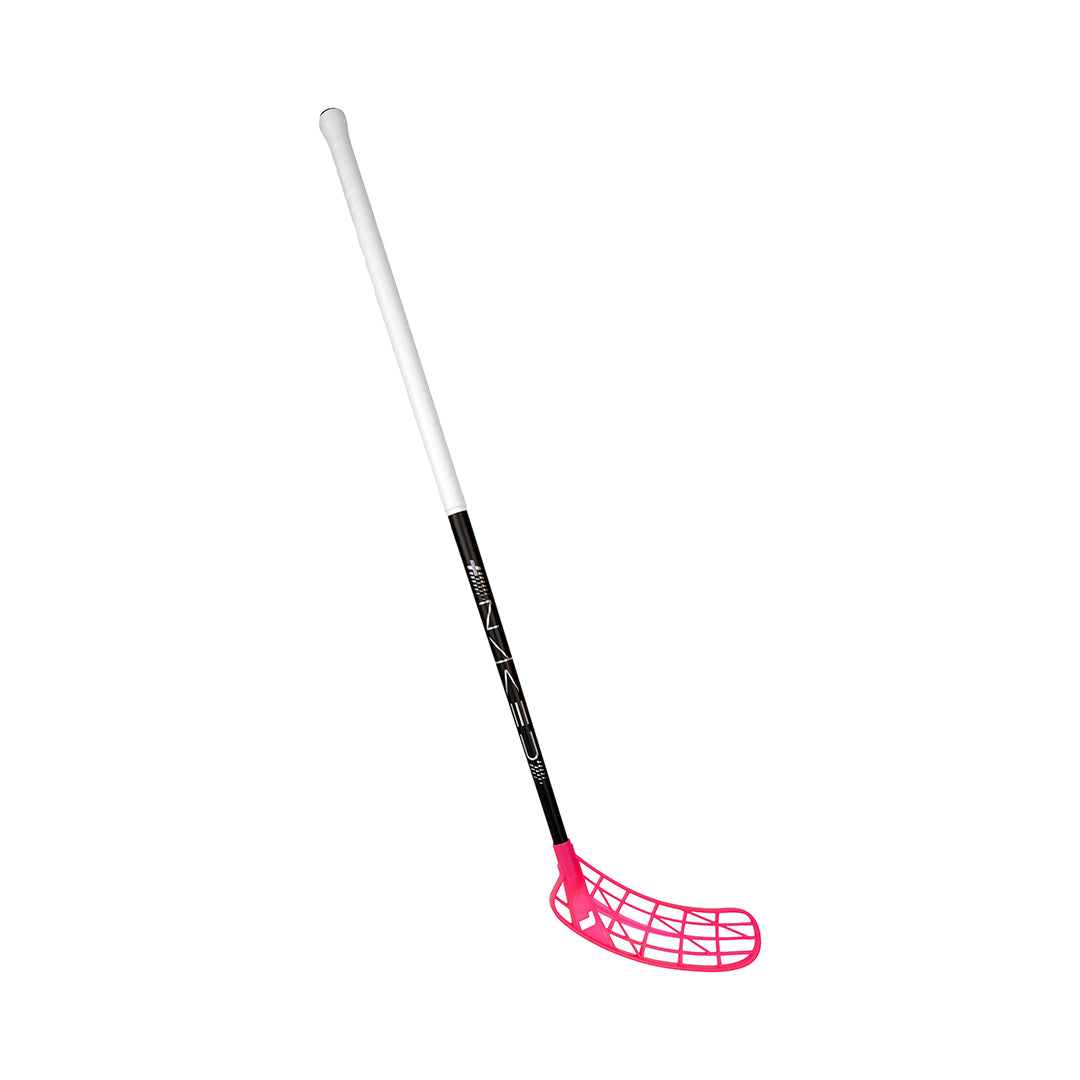
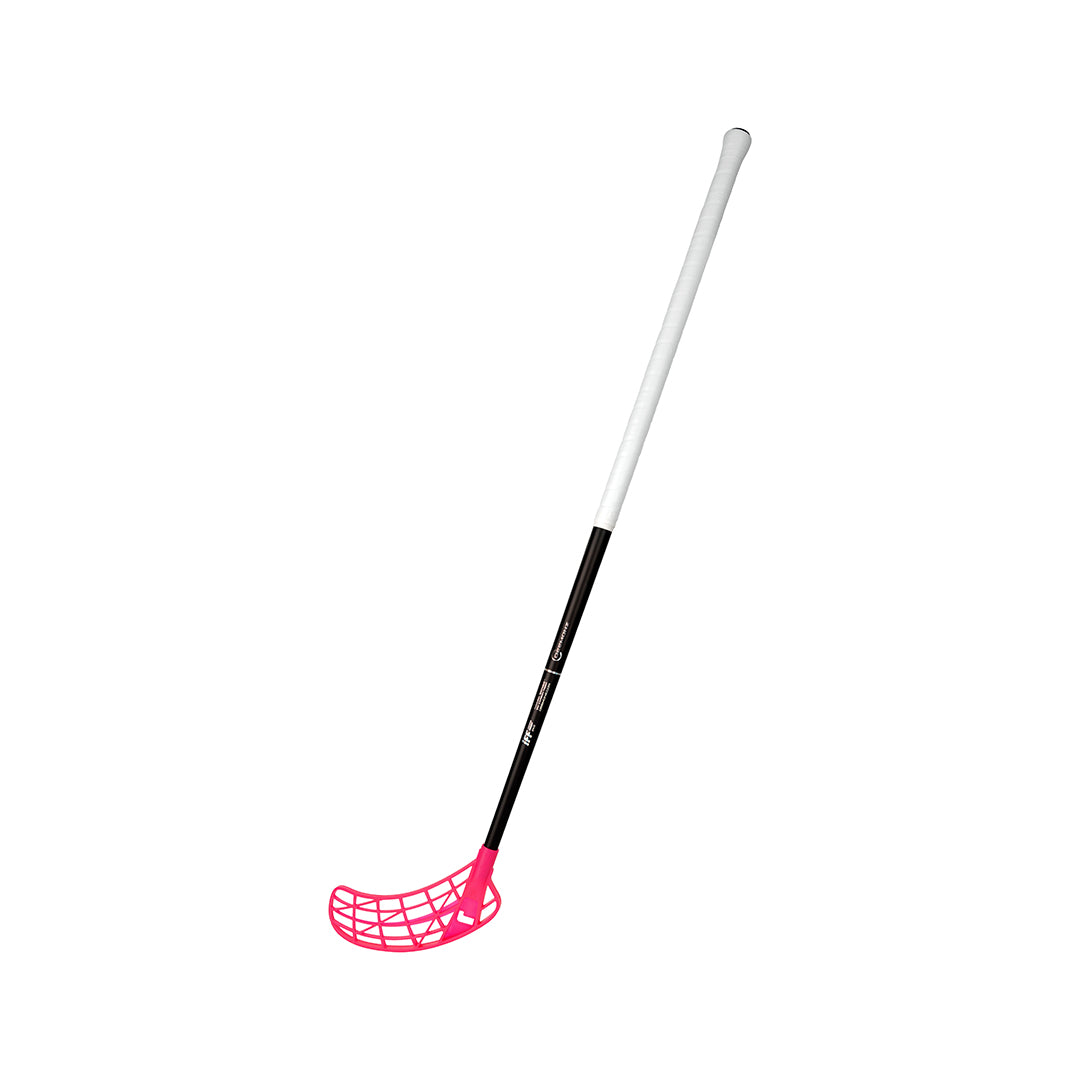
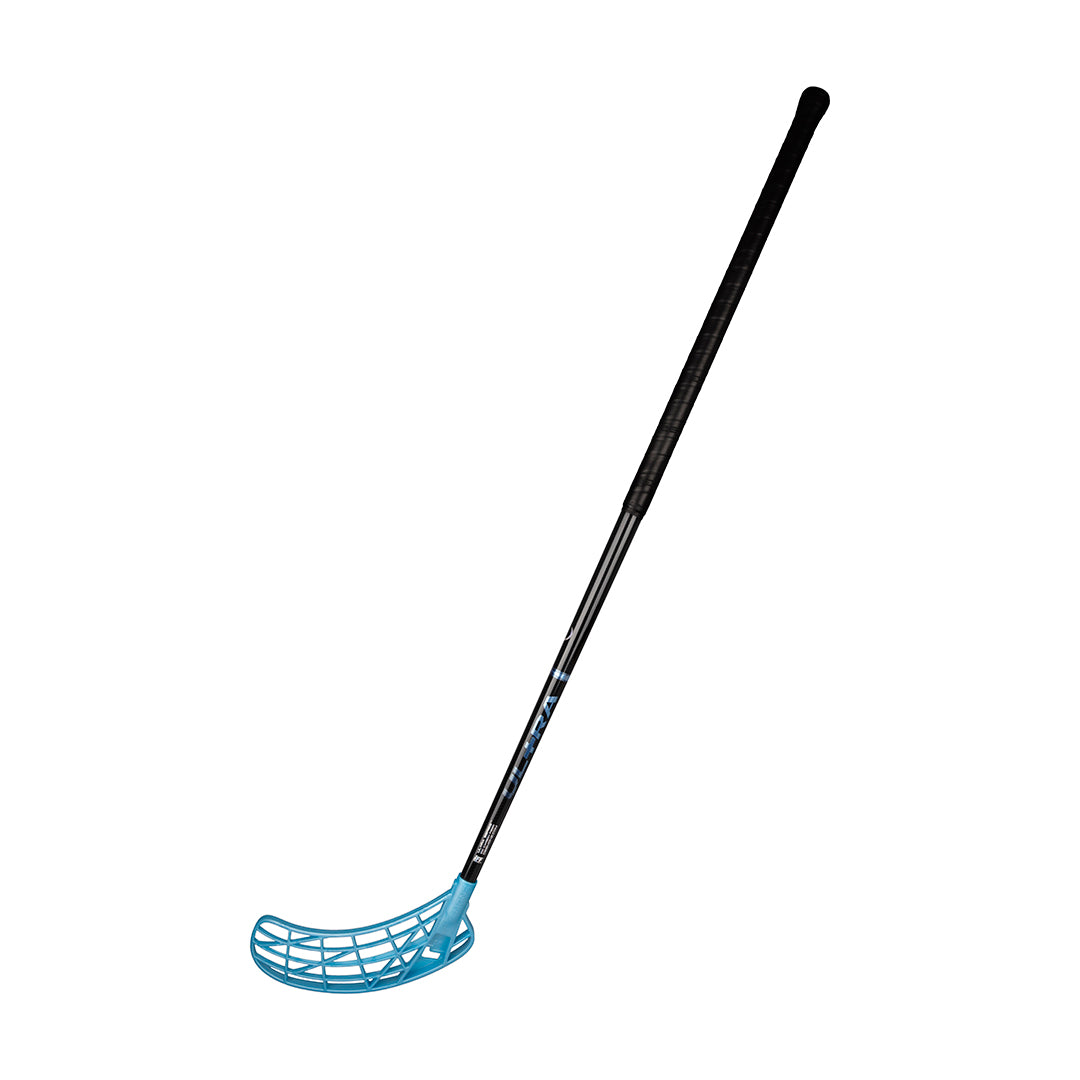
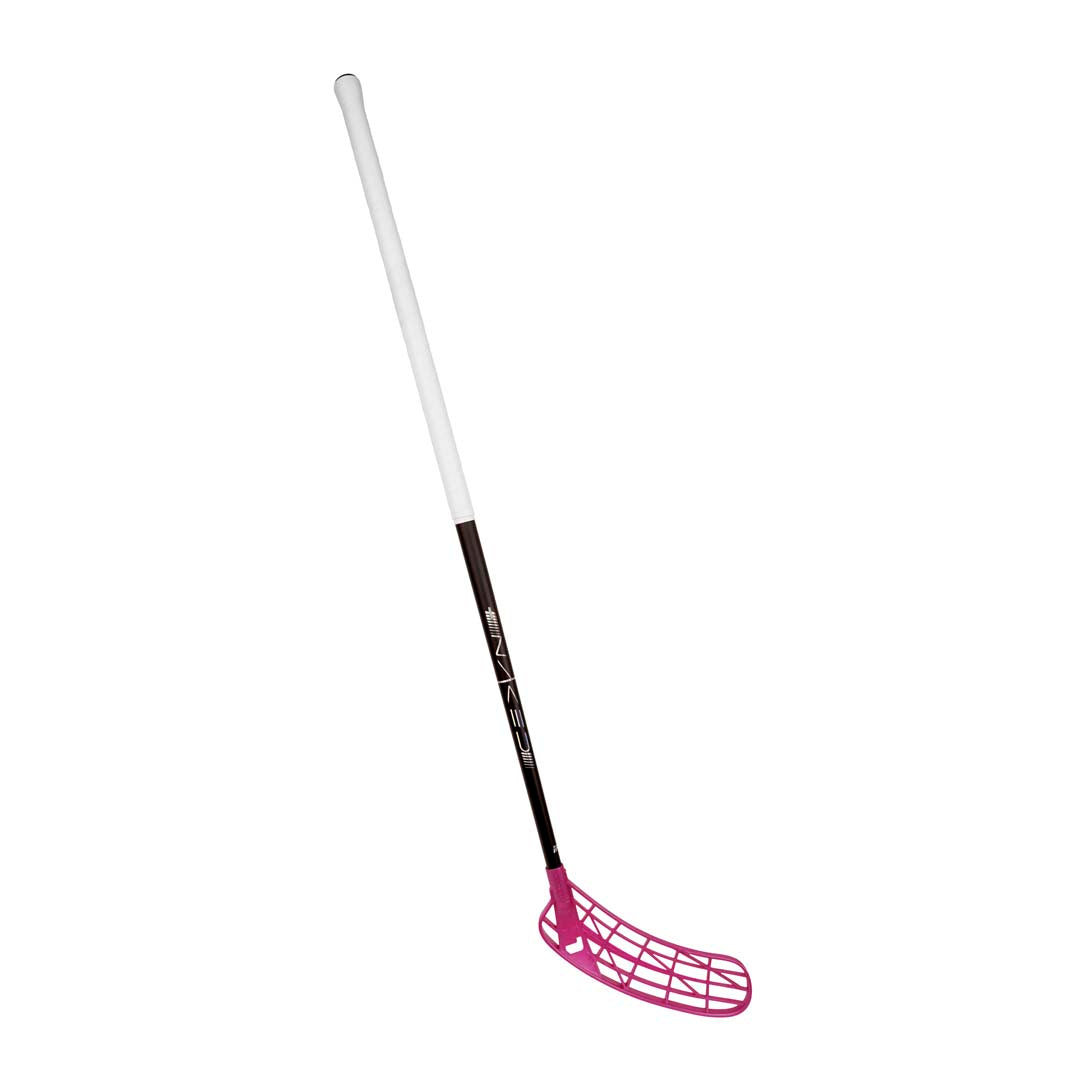
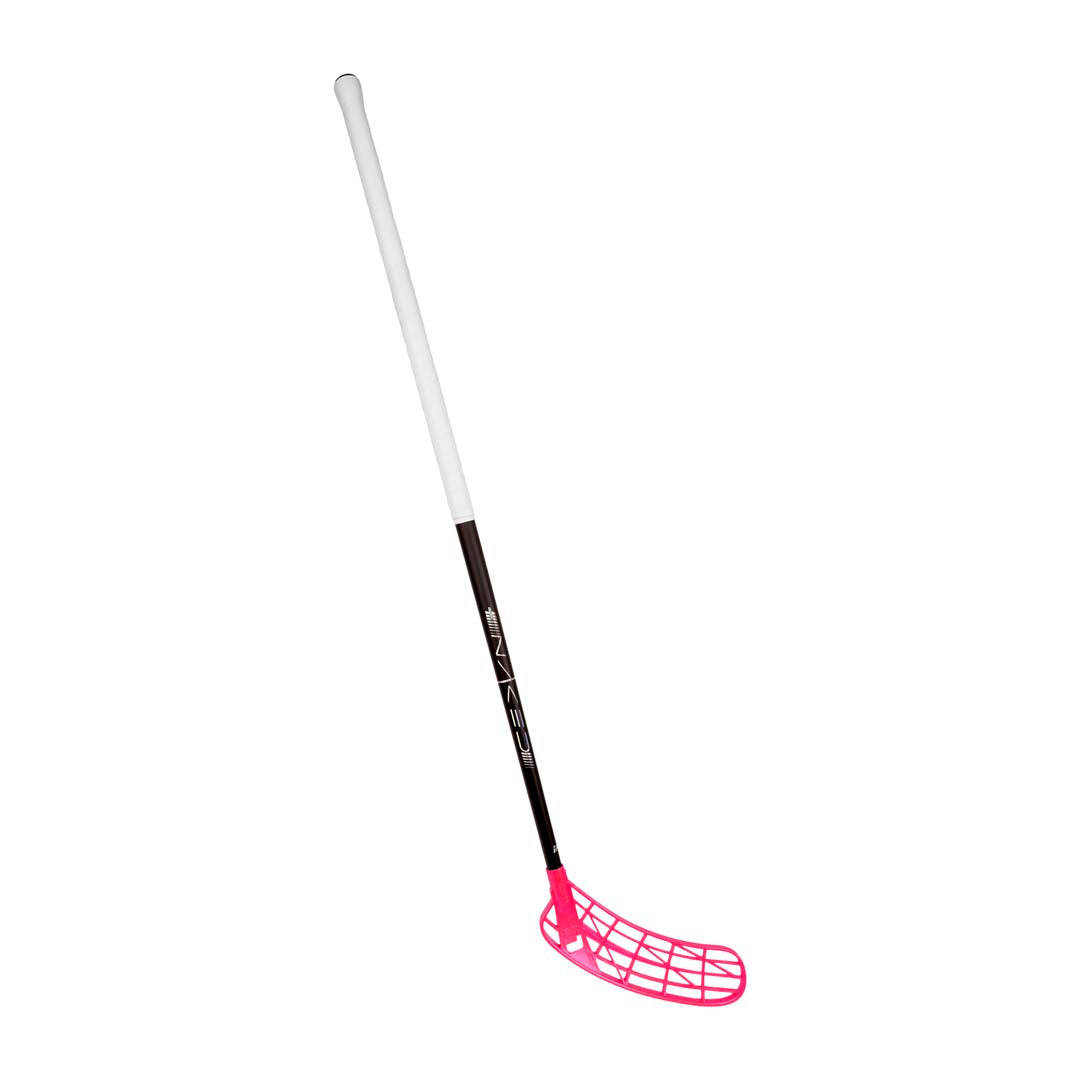
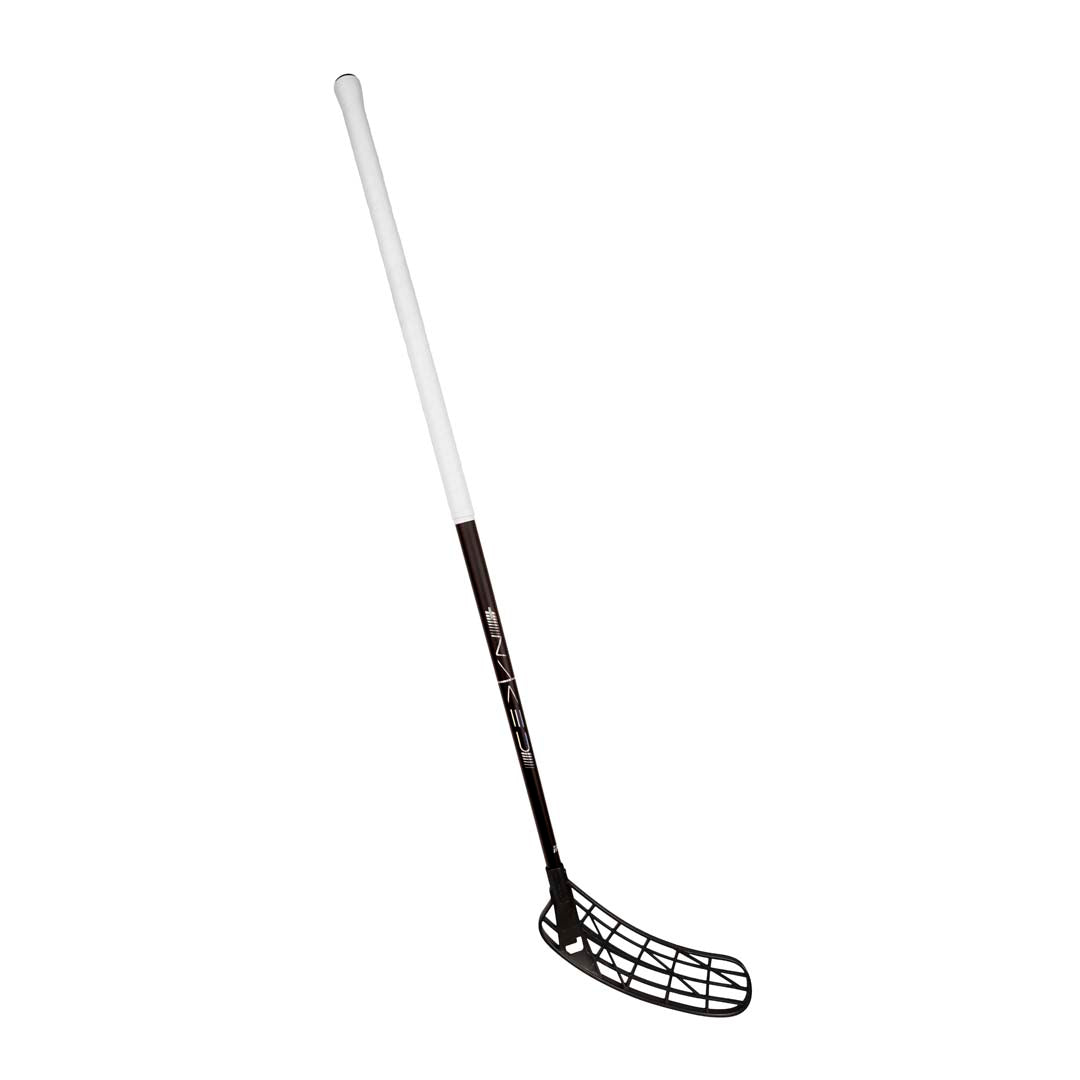
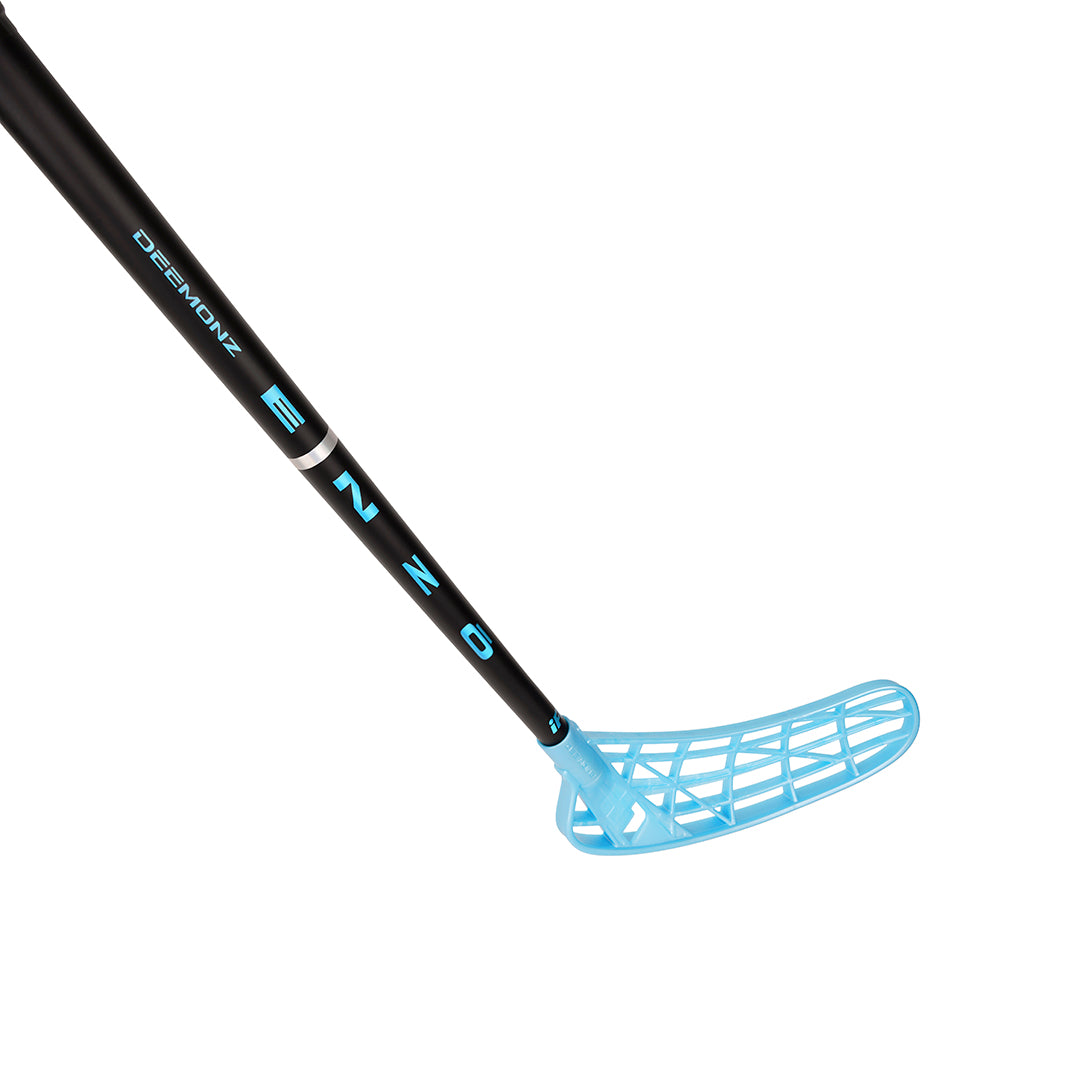
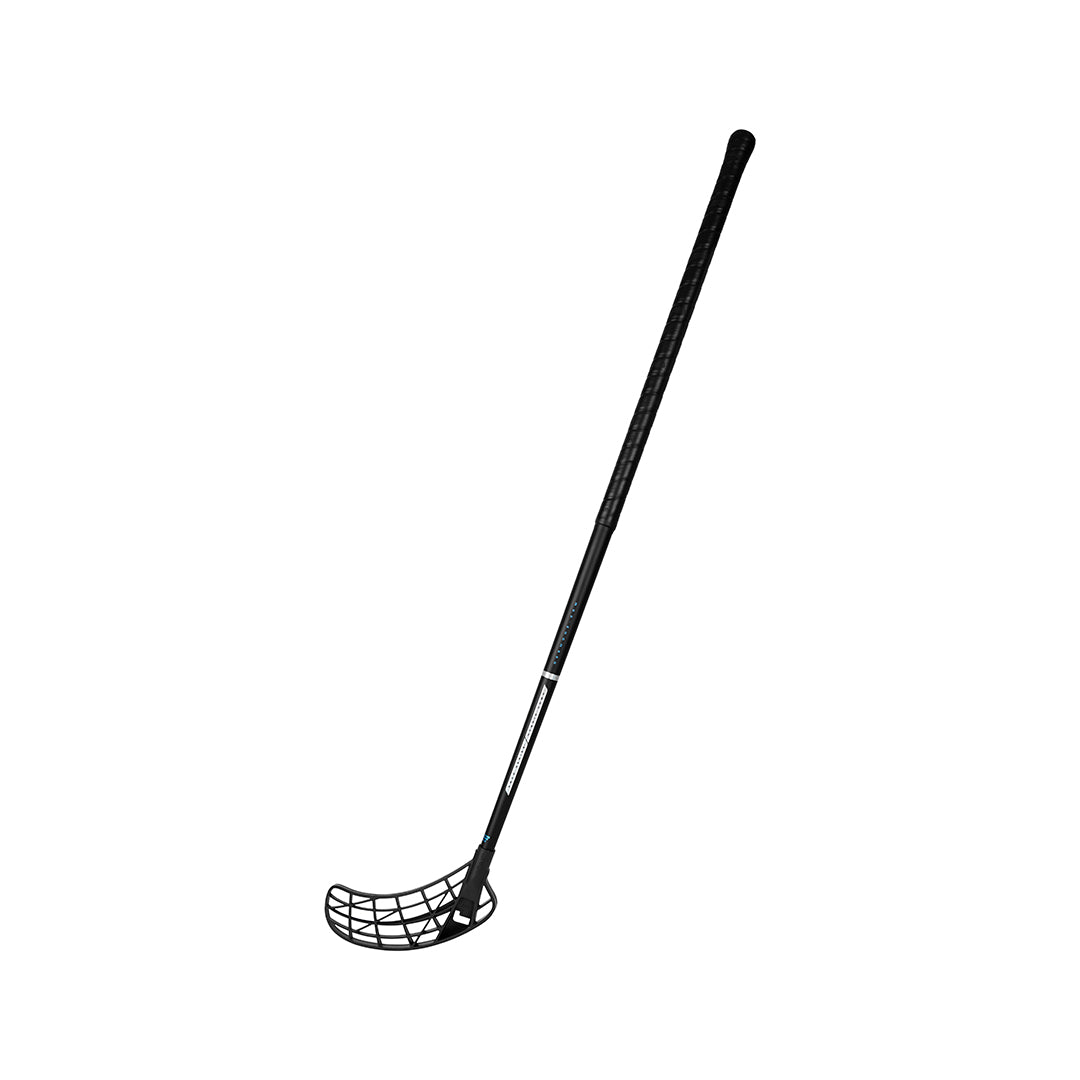
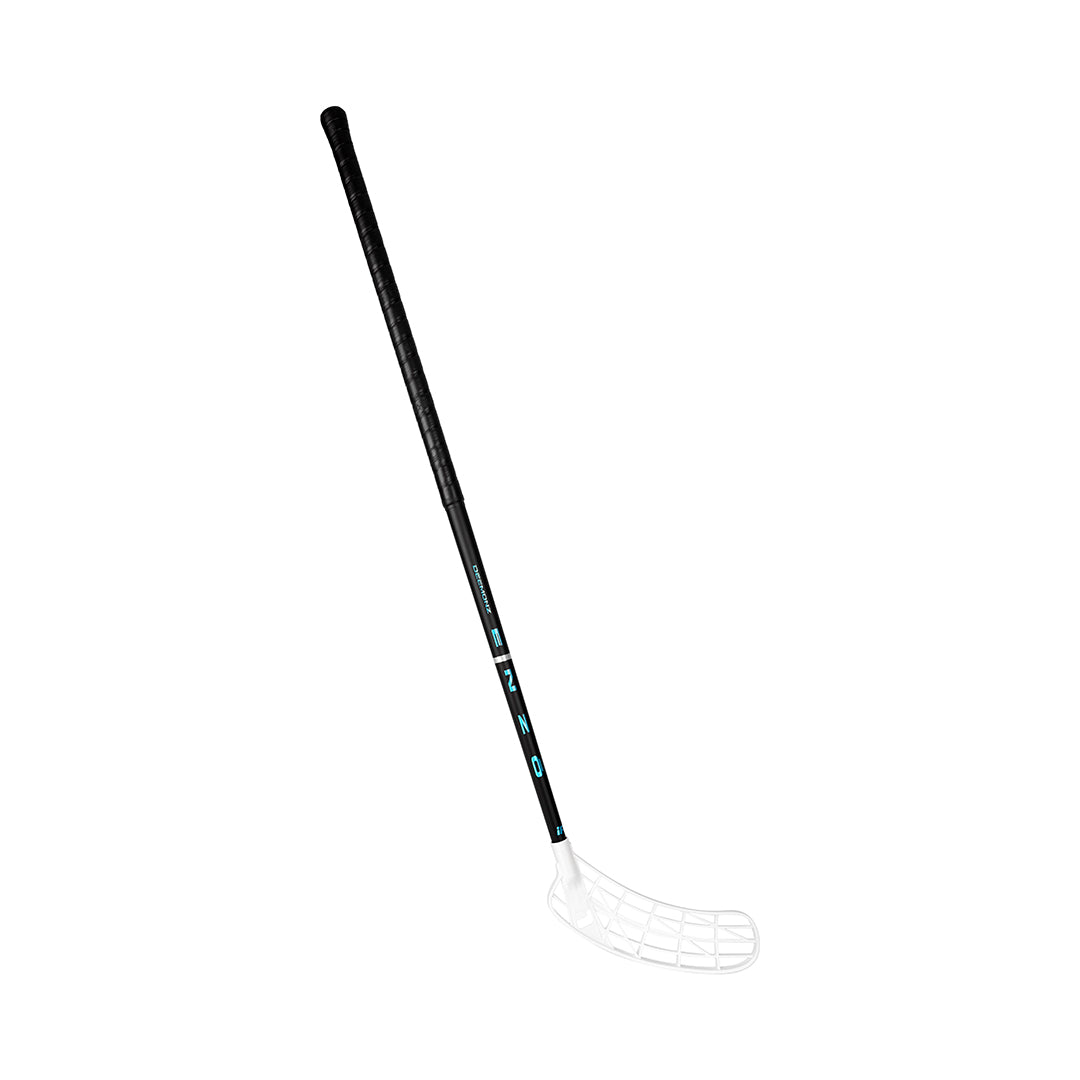
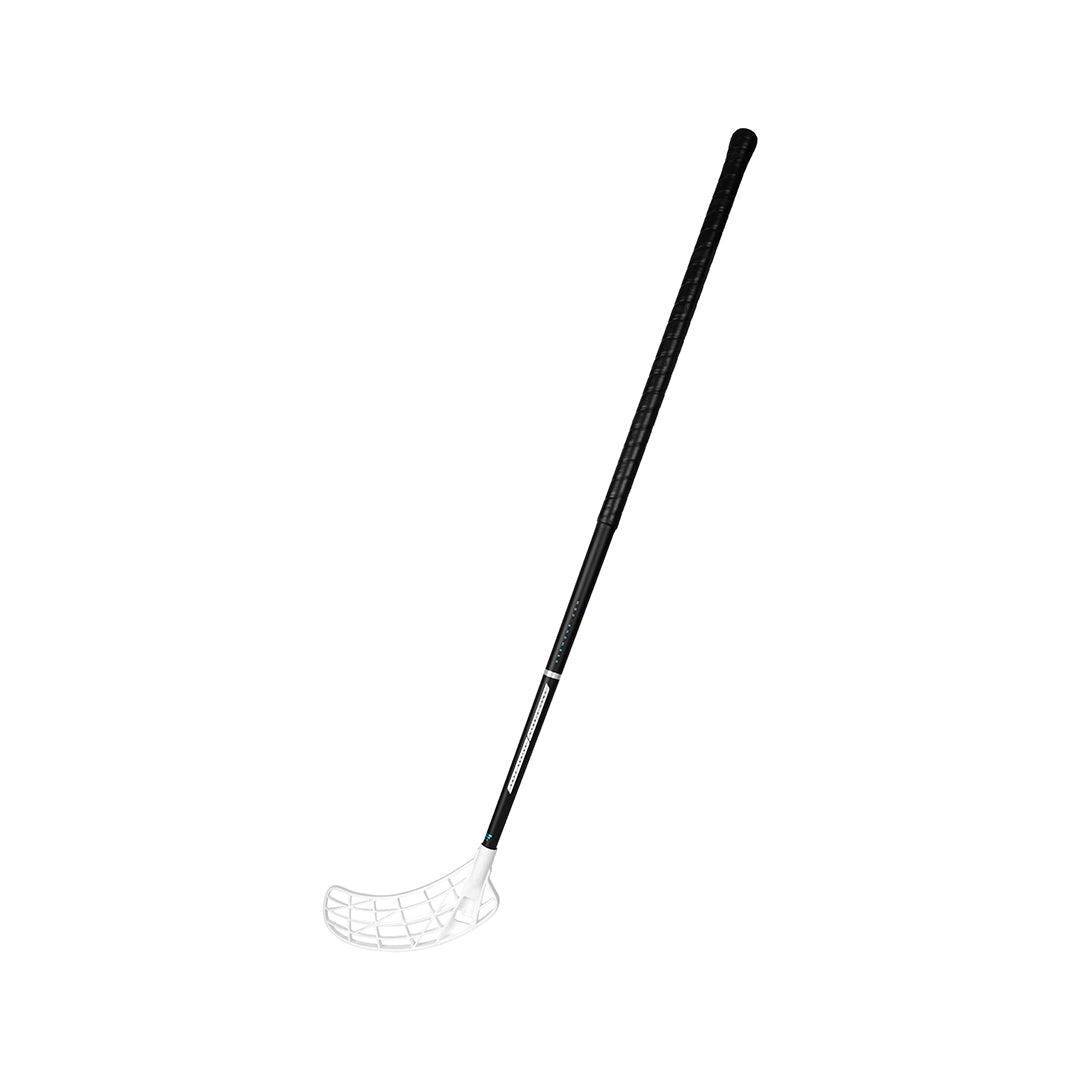
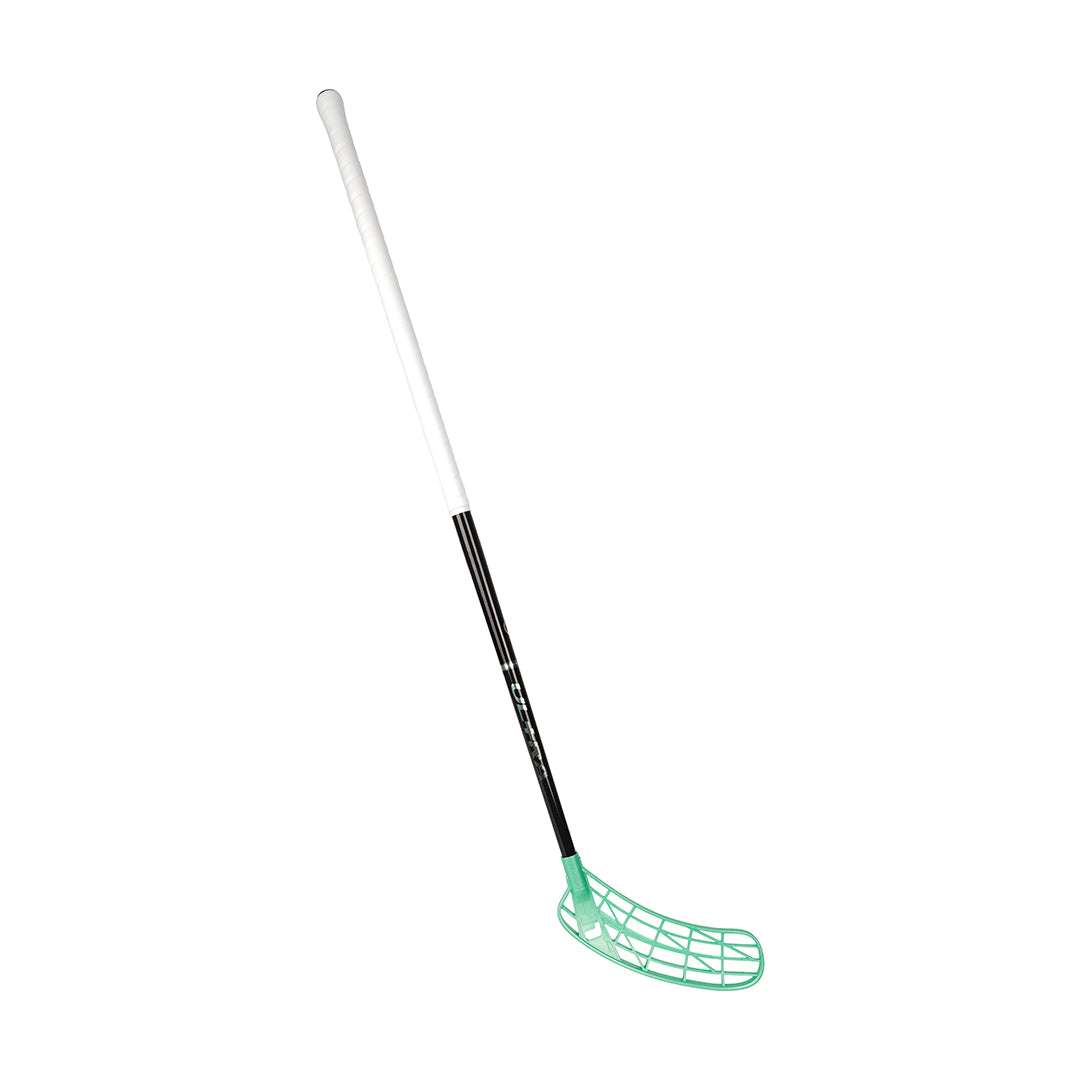
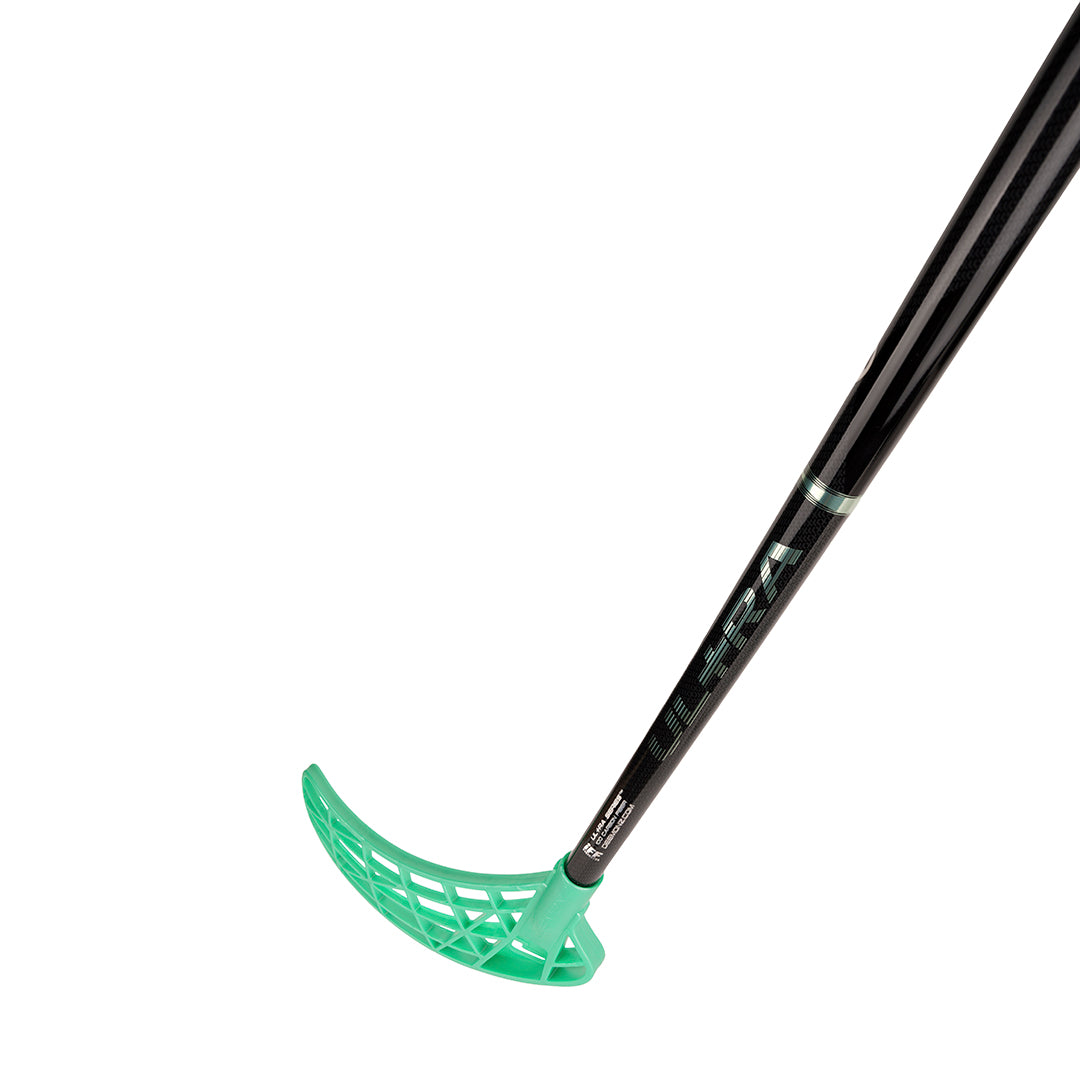
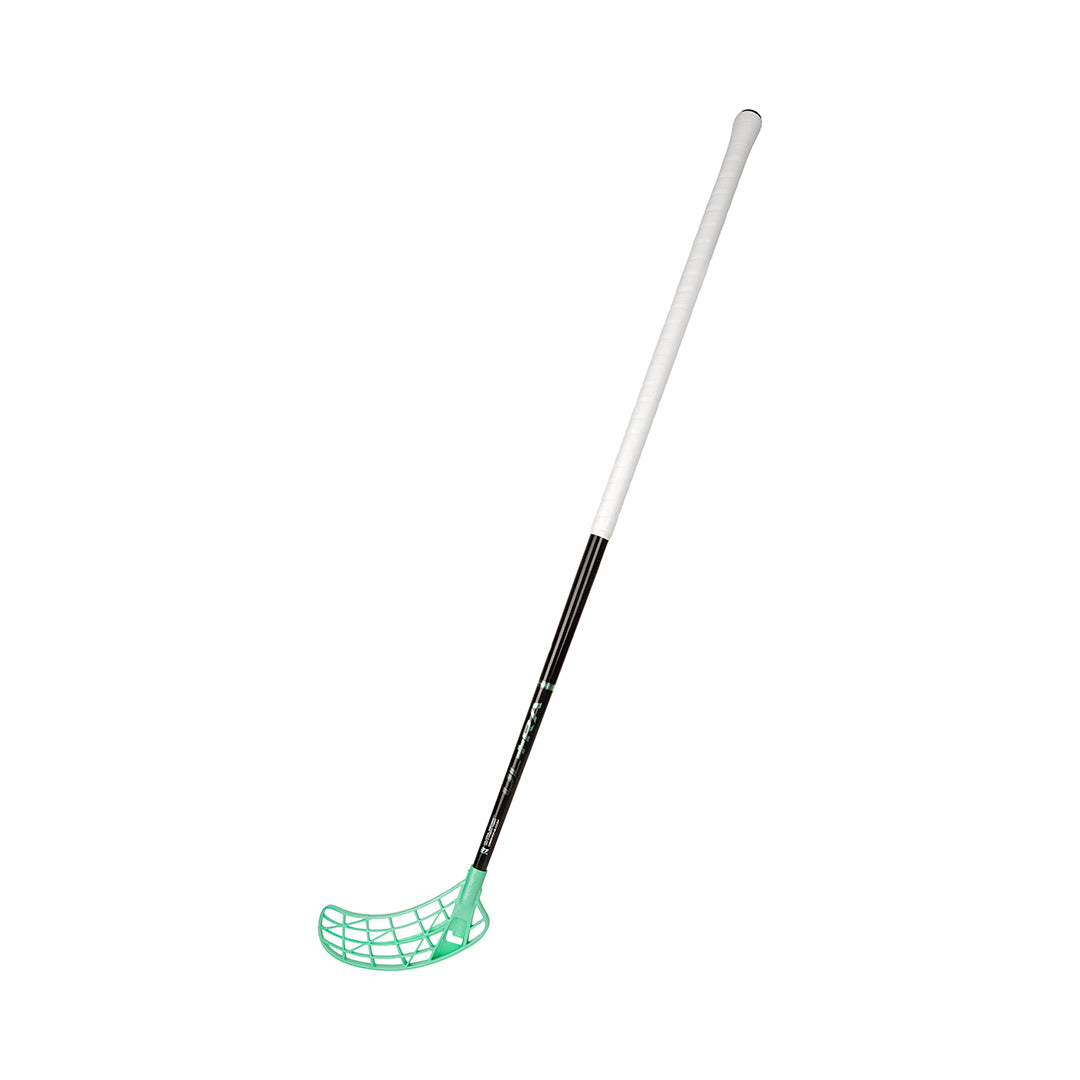
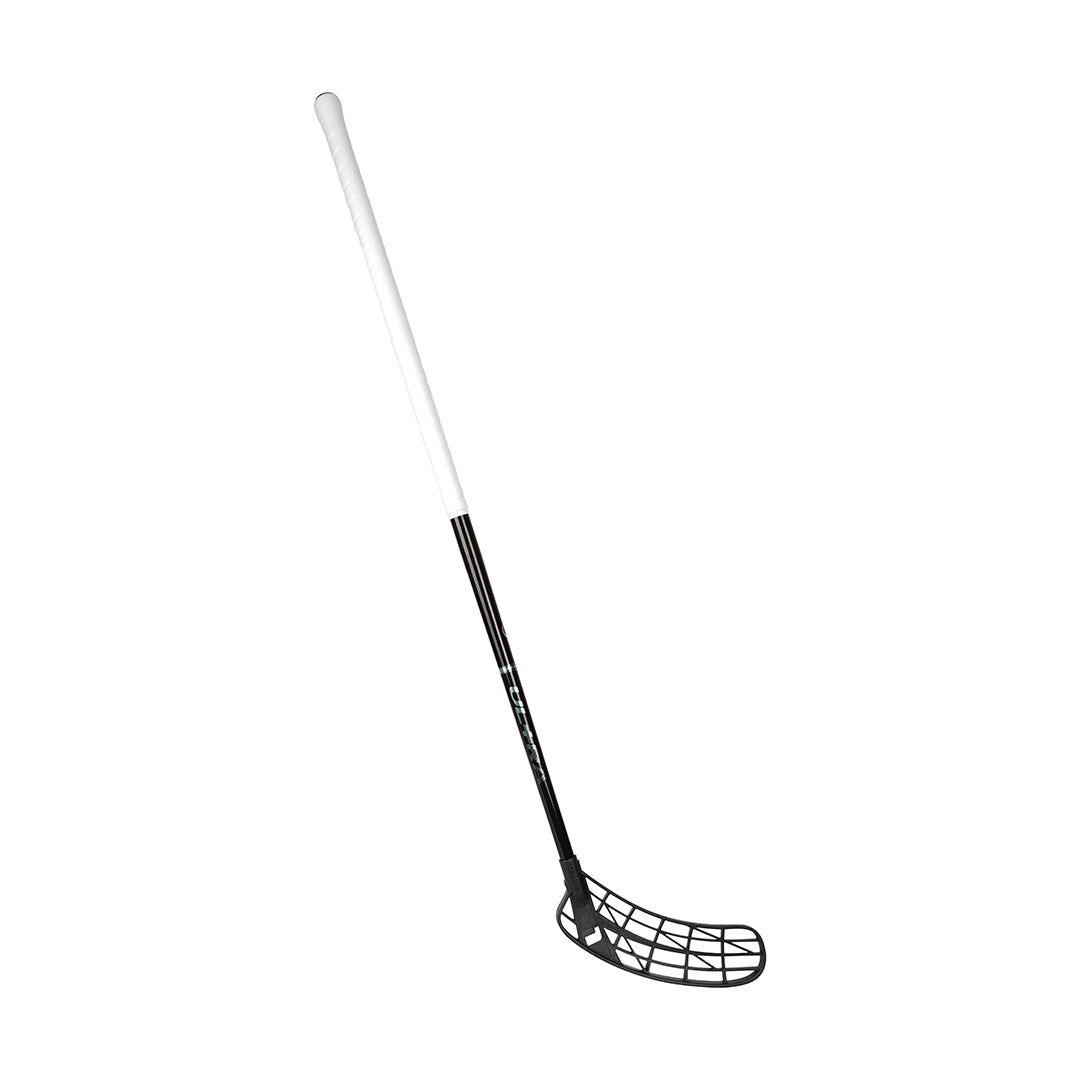
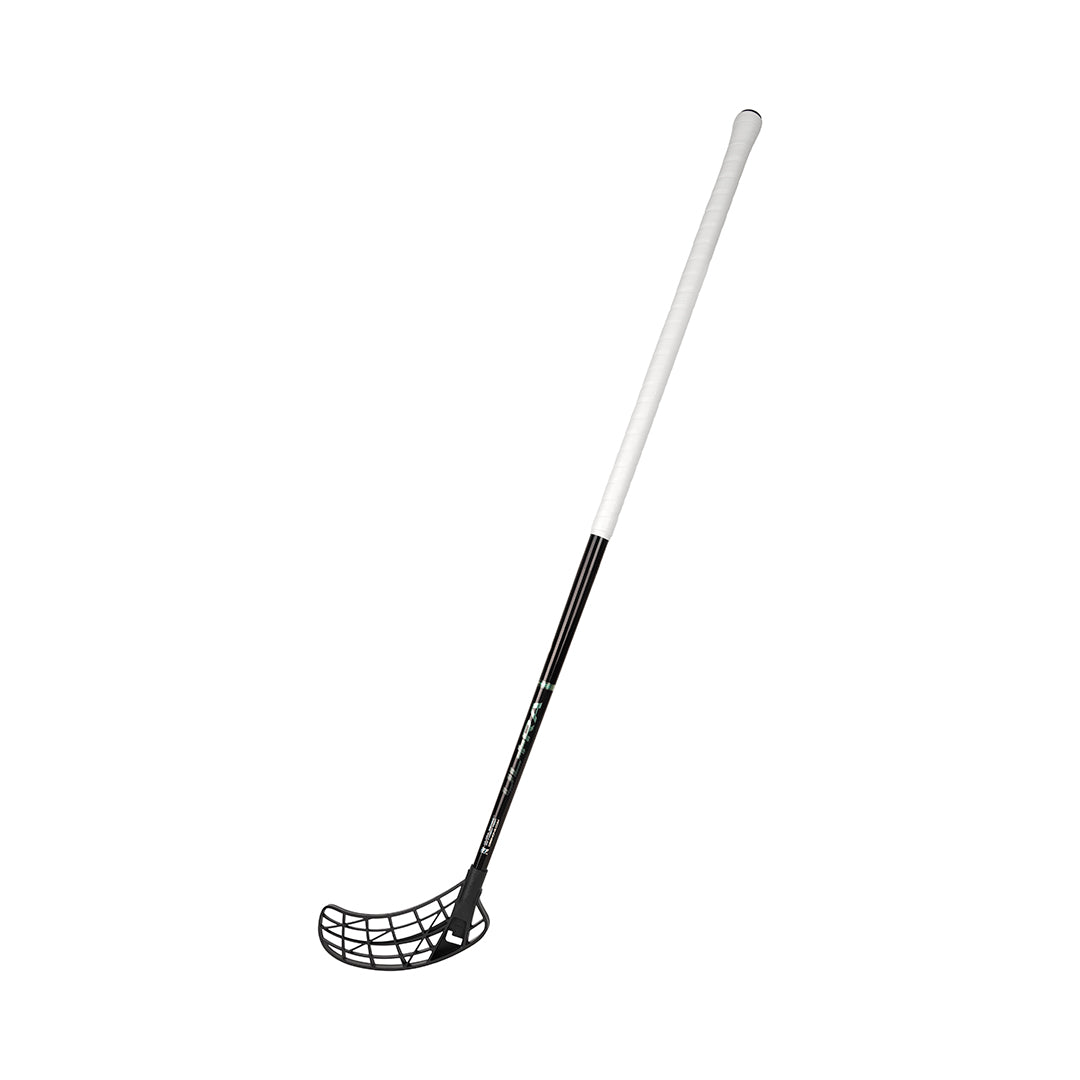
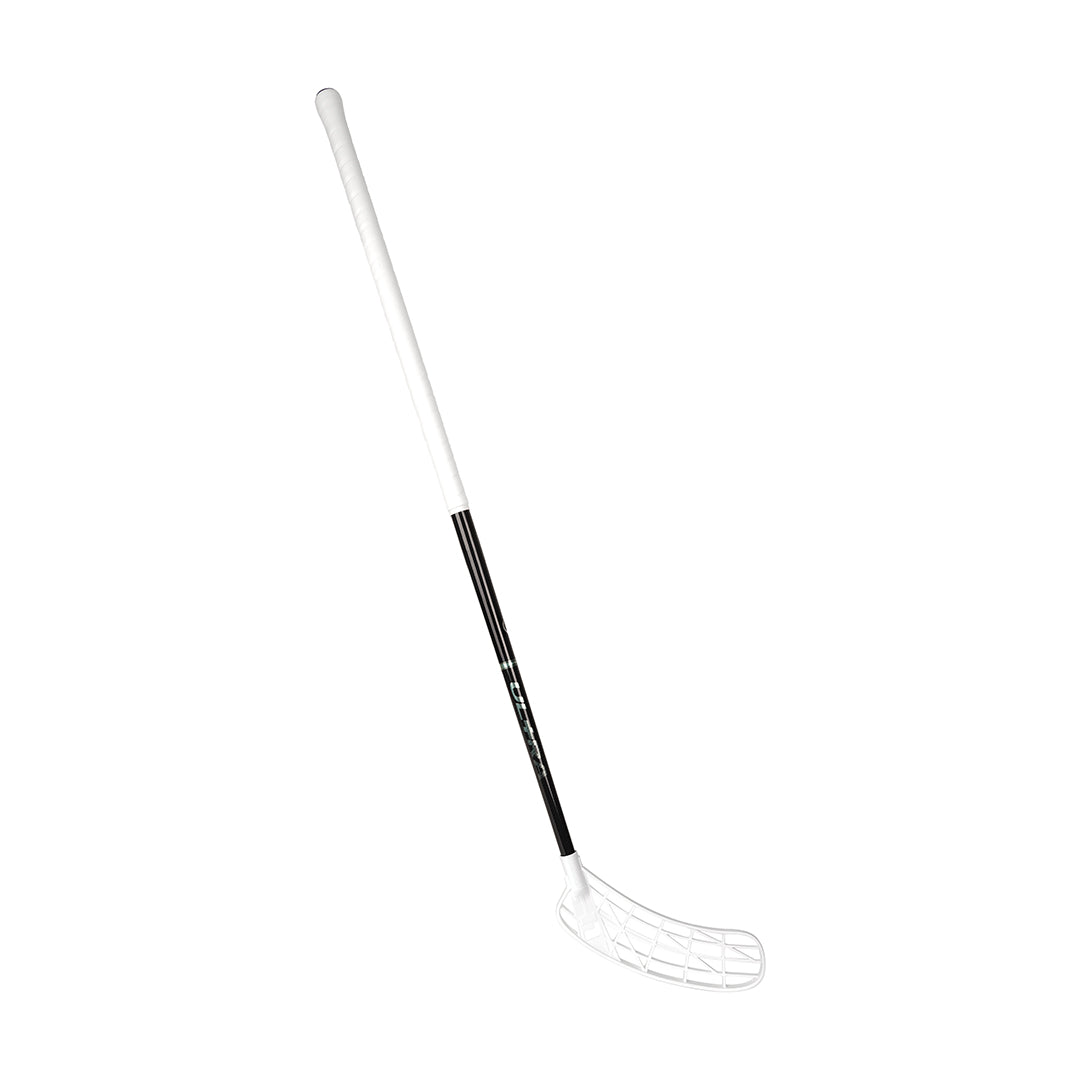
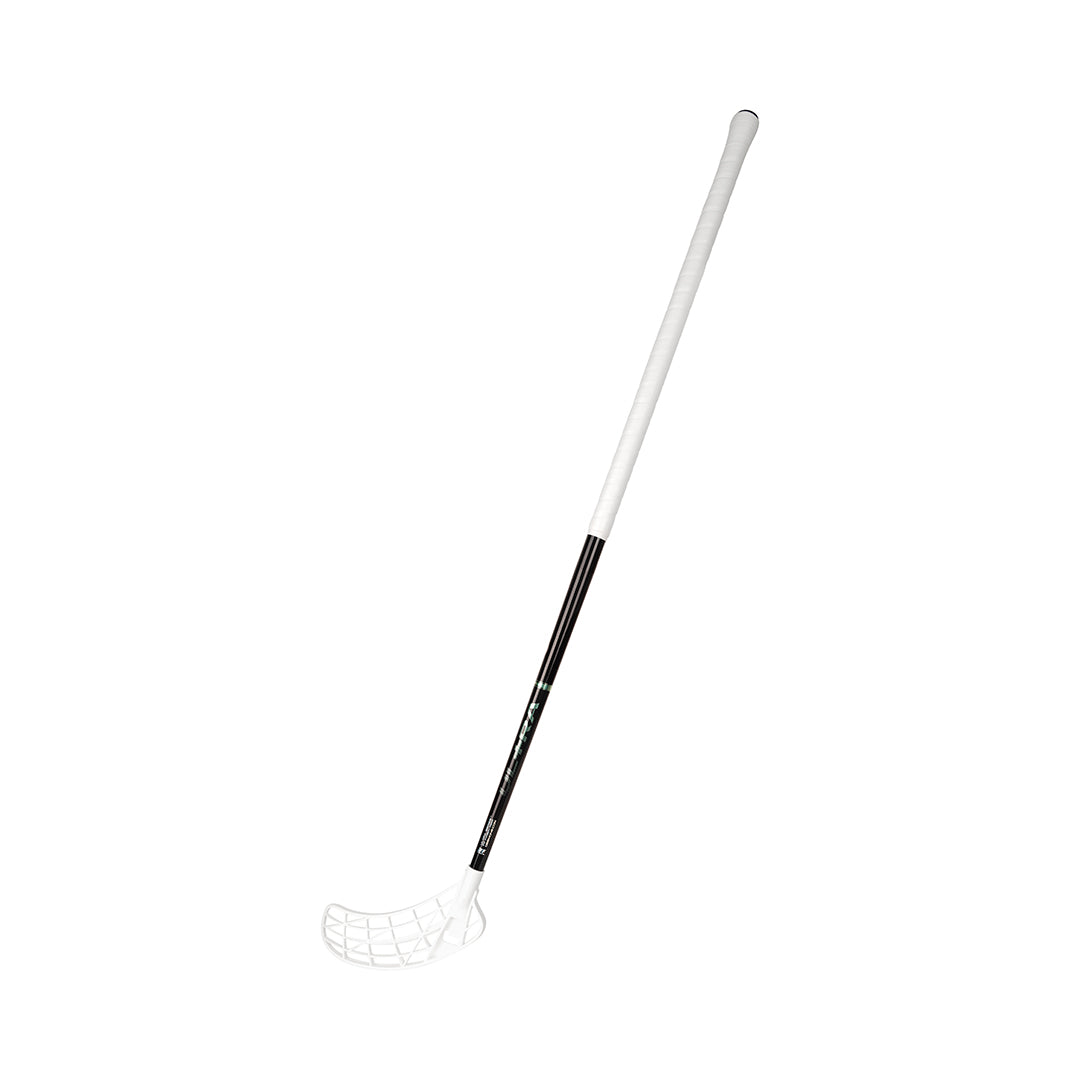
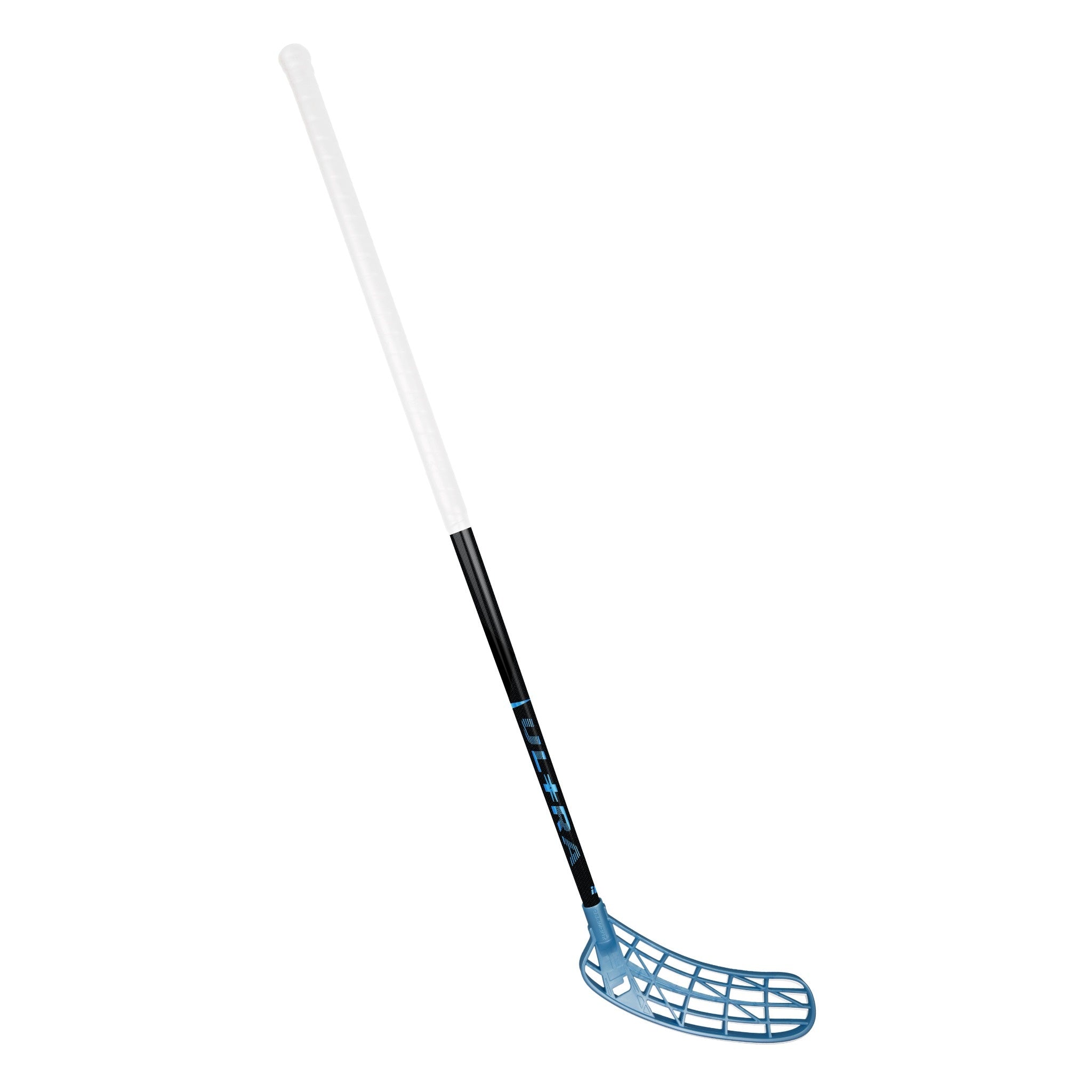
Since then, floorball has developed from a grassroots activity into a sport with professional leagues, international expansion, and World Championships. The equipment has evolved as well, from the plastic sticks of the early years to today’s high-tech floorball sticks made from pure carbon fibre.
The Swedish Floorball Federation, Svenska Innebandyförbundet (SIBF), was founded in November 1981 as the world’s first national floorball federation. It initially formed part of the Swedish Field Hockey Association before becoming the 58th member of the Swedish Sports Confederation, Riksidrottsförbundet (RF), in November 1985.
The International Floorball Federation (IFF) was founded in May 1986.
Read more about floorball on the Swedish Floorball Federation’s website.
You can also learn more about floorball through the Swedish Sports Confederation.
The International Floorball Federation has an extensive website covering everything related to international floorball.
Floorball Is One of Sweden’s Largest Sports and Is Played Worldwide
Floorball is now played around the world, with particularly strong participation in Sweden, Finland, Norway, Czechia, and Switzerland.
The sport continues to grow internationally and is now established in around 80 countries, including Australia, countries across Asia, North America, and South Africa.
Sweden has approximately 120,000 licensed players across different age groups and competition levels. Including recreational players, an estimated 500,000 people play floorball in Sweden.
The Swedish Floorball Federation continues to develop new ways for people to enjoy the sport. Examples include Innebandy+, which focuses on older players, Floorball Fitness, and Innebandy Flex.
A suitable age for children to begin learning floorball is around six or seven years old.
Everything you want to know about Swedish floorball can be found on the Swedish Floorball Federation’s website.
The initiative Svensk Innebandy Vill is based on the vision:
“The people’s sport for everyone—always.”
Those with a particular interest in Swedish floorball can also read the Swedish Floorball Federation’s operational plan for 2022/23.
There are more than 900 licensed clubs and approximately 7,000 individual teams in Sweden.
The highest level of Swedish floorball is the Swedish Super League, Svenska Superligan (SSL), for both women and men. It is considered the world’s leading floorball league and consists of 14 teams in each competition.
The Swedish league system also includes the Allsvenskan for women and men, Division 1 for men, and the Junior Allsvenskan for women and men.
Sweden’s national teams have enjoyed considerable international success and have won numerous World Championship titles. The women’s team are reigning world champions and have won nine gold medals. The men’s team has won eight gold medals and most recently became world champions in 2014.
Follow the Swedish women’s and men’s national teams.
For more information about the SSL, visit the Swedish Floorball Federation’s website.
Swedish Super League Women
Swedish Super League Men
InnebandyTV allows you to follow Swedish floorball closely. It broadcasts matches from the women’s and men’s Allsvenskan, Division 1, regional leagues, cups, and tournaments.
For the latest news from Sweden’s top division, the Swedish Super League, we recommend visiting SSL.se.
You can also follow Swedish floorball through Innebandymagazinet.
How Floorball Is Played
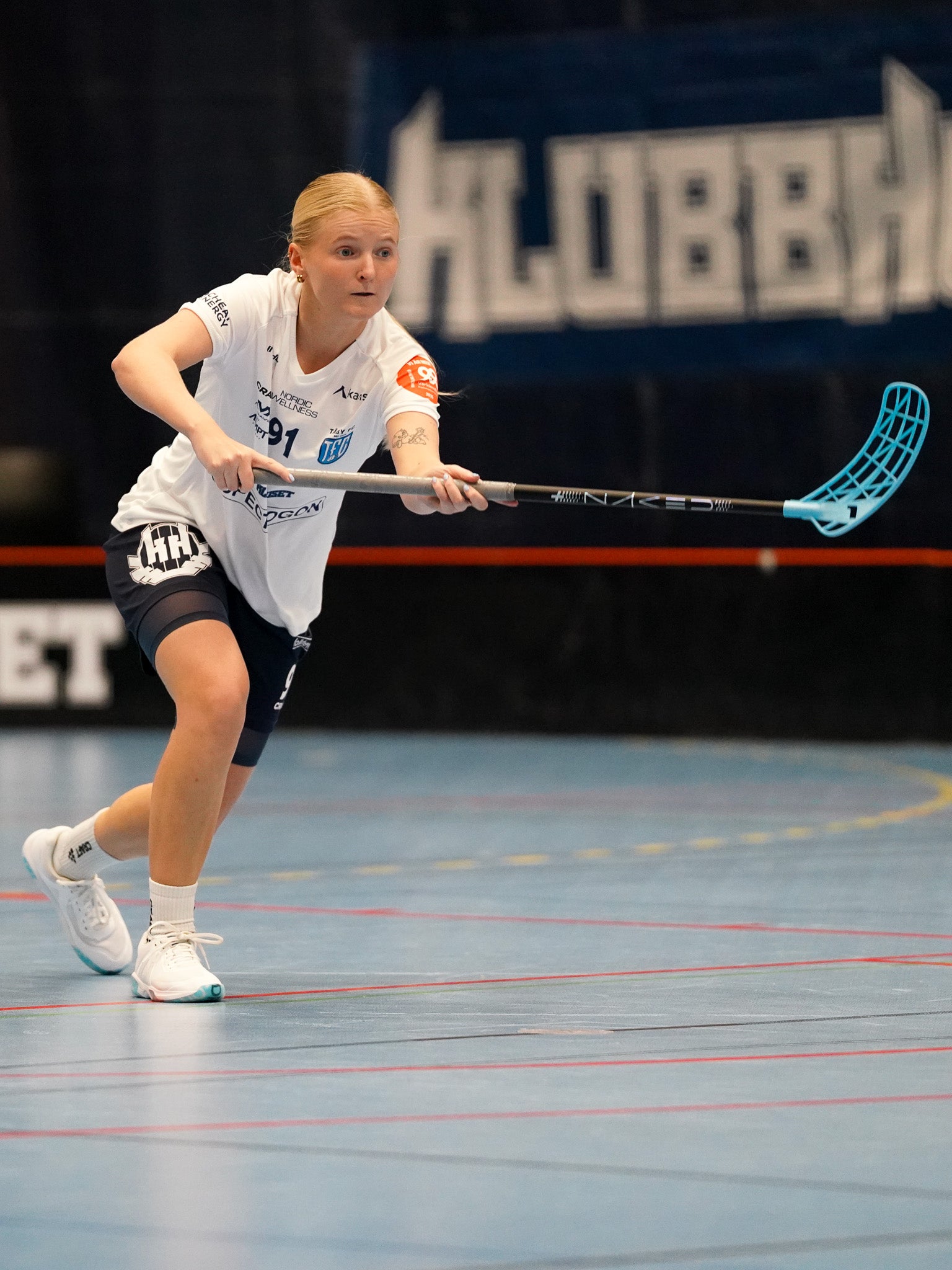
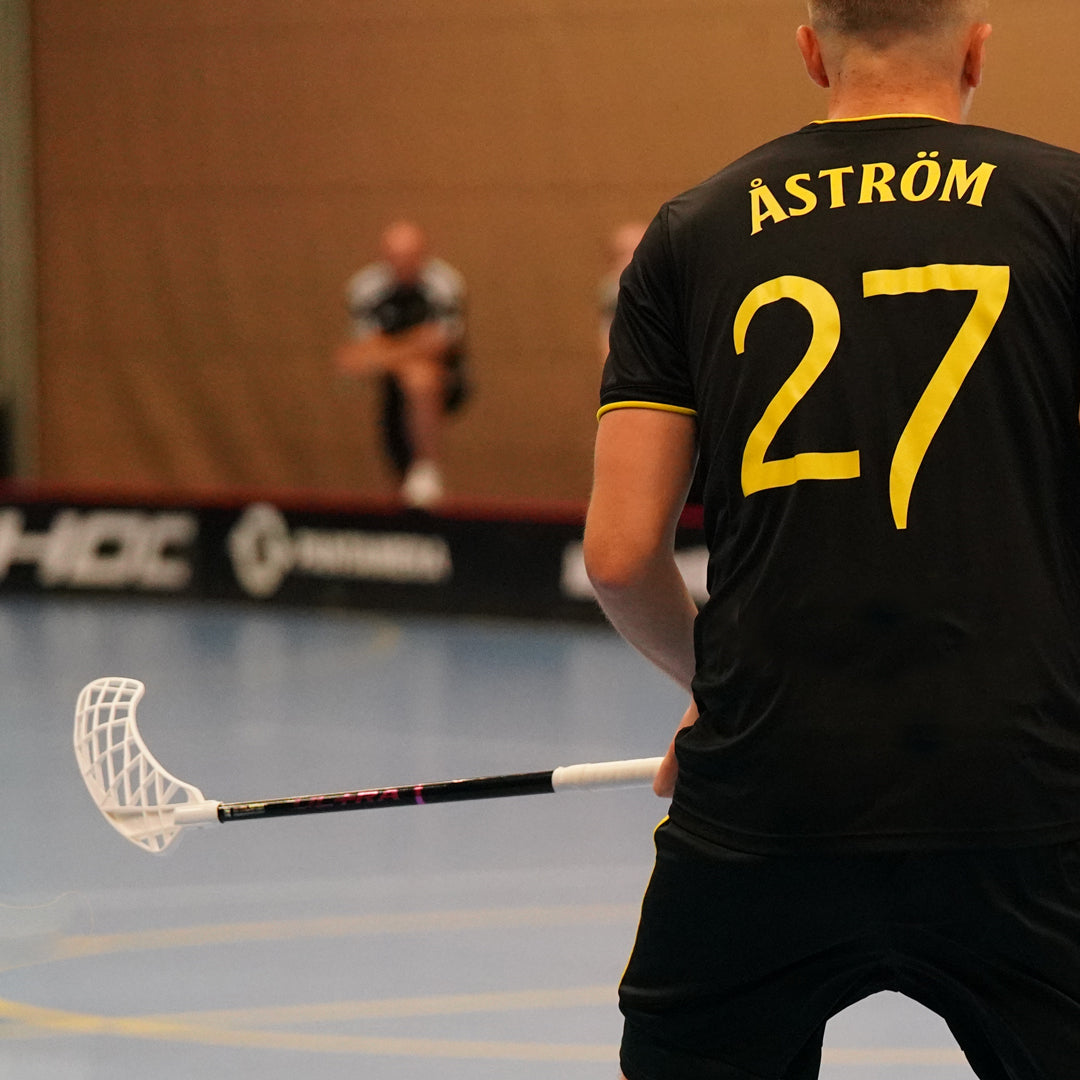
Floorball is played between two teams, with five outfield players and one goalkeeper on each side.
Teams normally line up with two forwards, one centre, two defenders, and a goalkeeper.
A standard floorball rink measures 40 by 20 metres. The dimensions can be adjusted, provided the length remains approximately twice the width. The rink is surrounded by boards that are 50 centimetres high, and the goals measure 160 by 115 centimetres.
An official senior floorball match is played over three periods of 20 minutes of effective playing time. At junior level, the periods are usually shorter, with matches commonly played over three periods of 15 minutes.
The team that has scored the most goals at the end of the match wins. Cup matches that finish level may be decided by extra time and/or a penalty shootout.
Official matches are managed by two referees, who ensure that the rules are followed and that the game is played fairly.
Modern floorball is played in many different formats and environments. A common recreational format is three-on-three floorball, played with small goals and no goalkeeper.
Floorball is also played in sports halls without boards, and outdoor tournaments are common during the summer.
To learn more about how floorball is played and which rules apply, follow the links below.
Visit the Swedish Floorball Federation’s website for rules and regulations.
Read more about how floorball is played on the IFF website.
Floorball Equipment
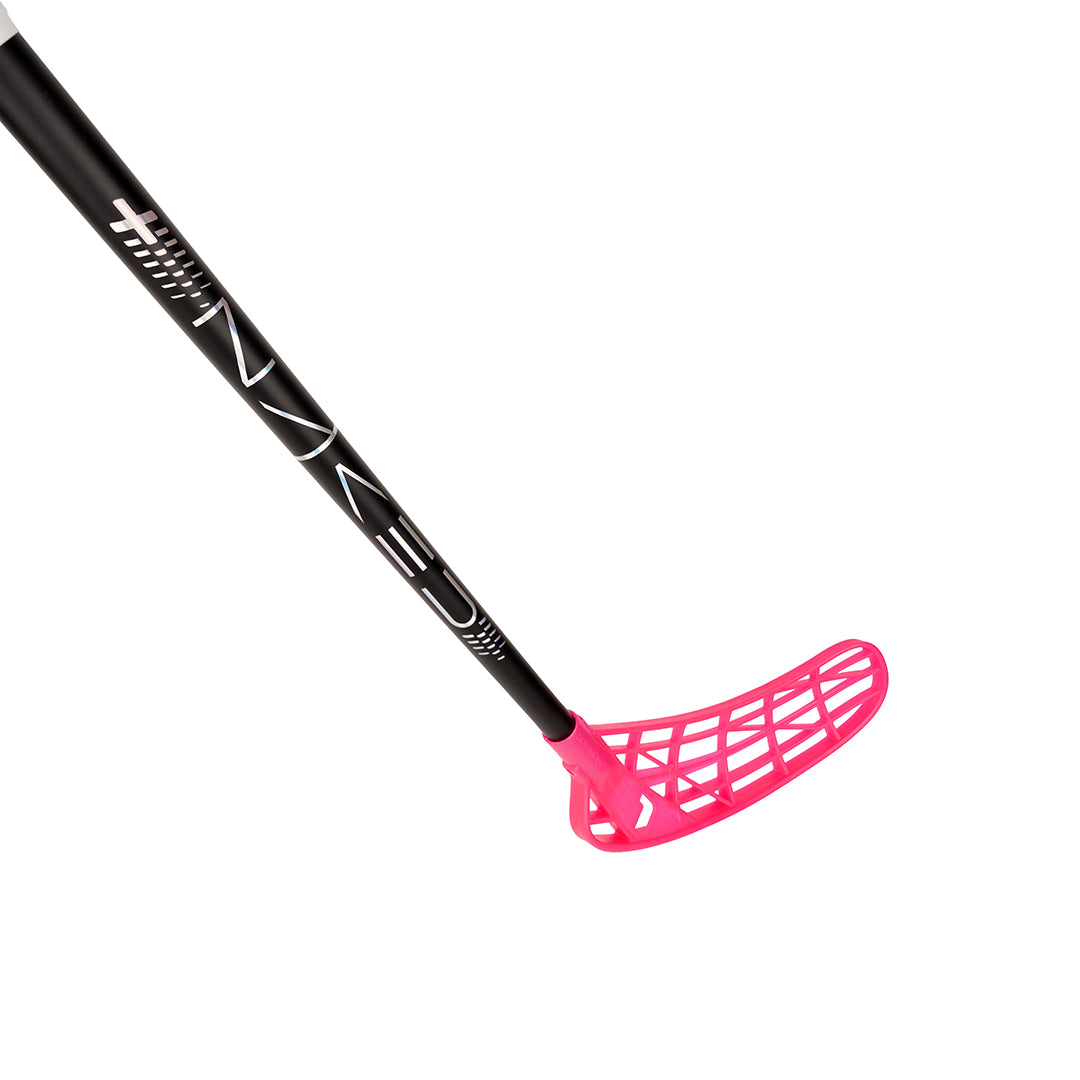
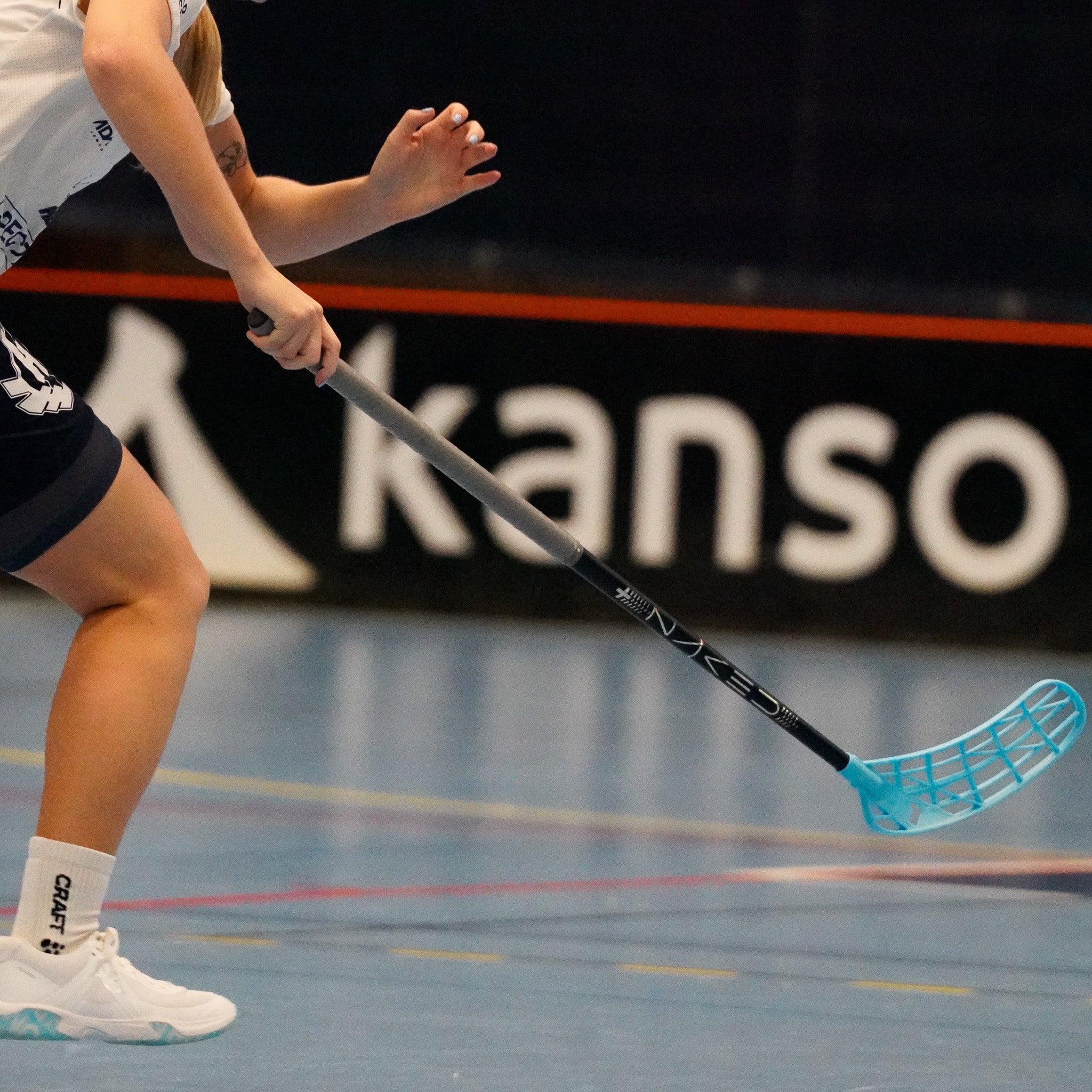
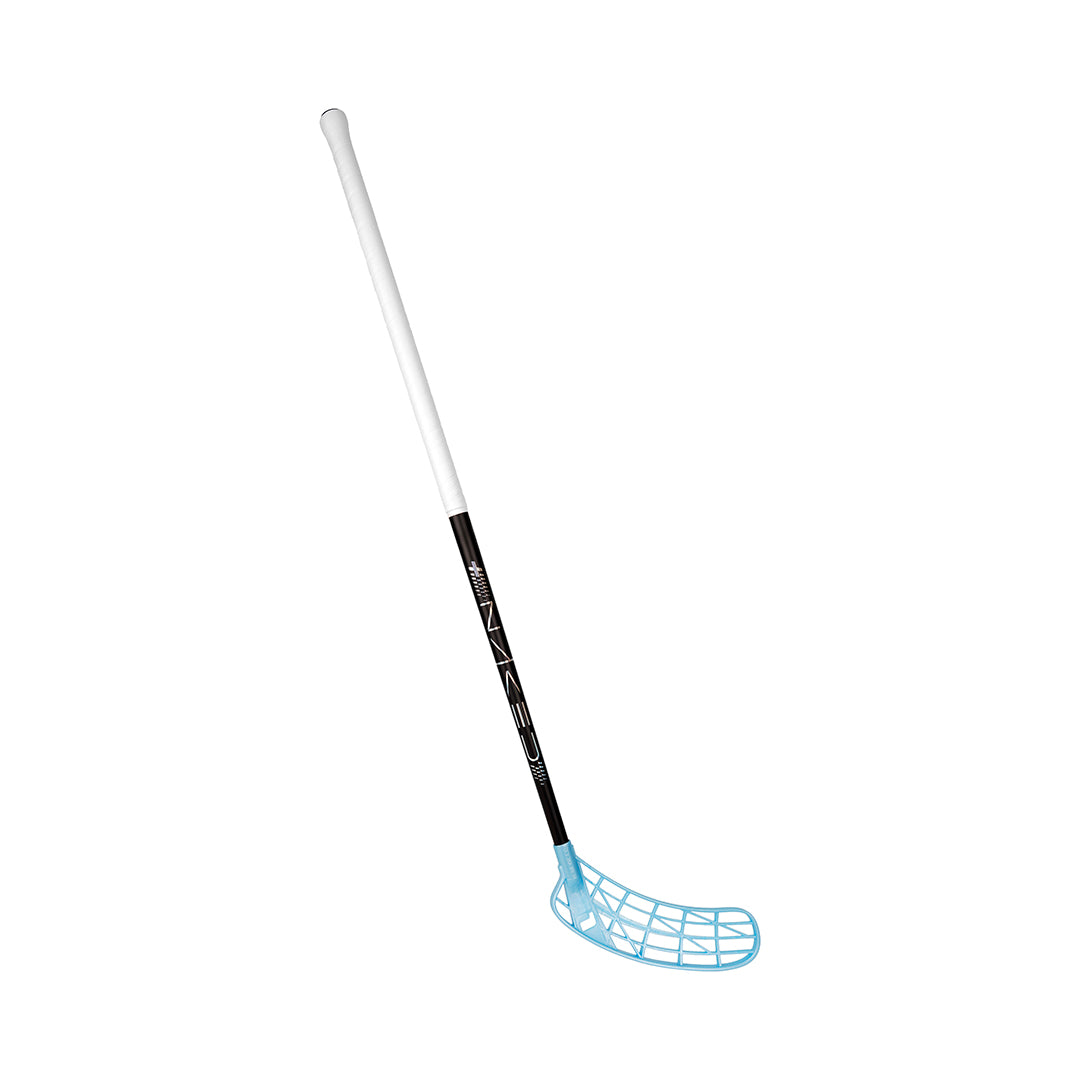
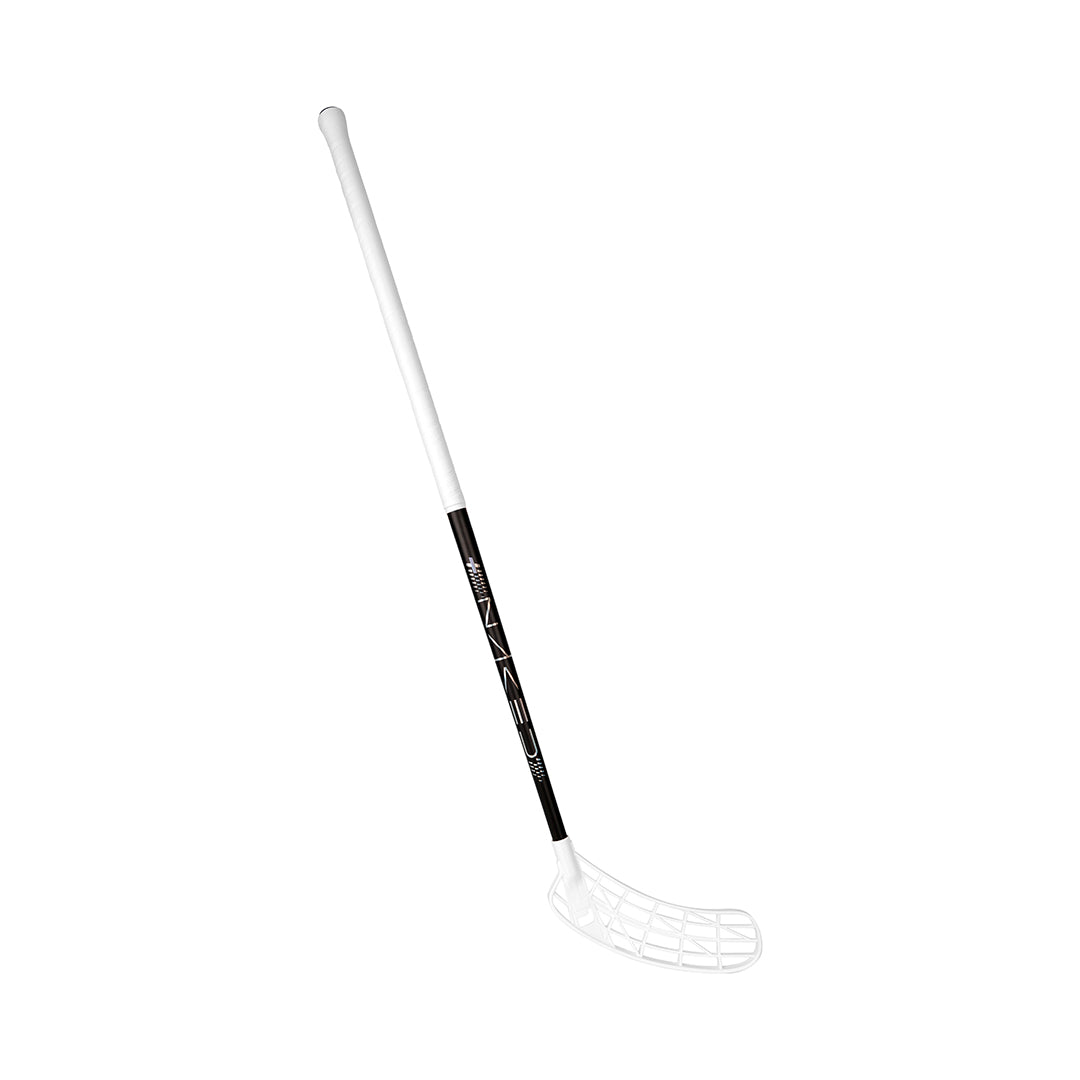
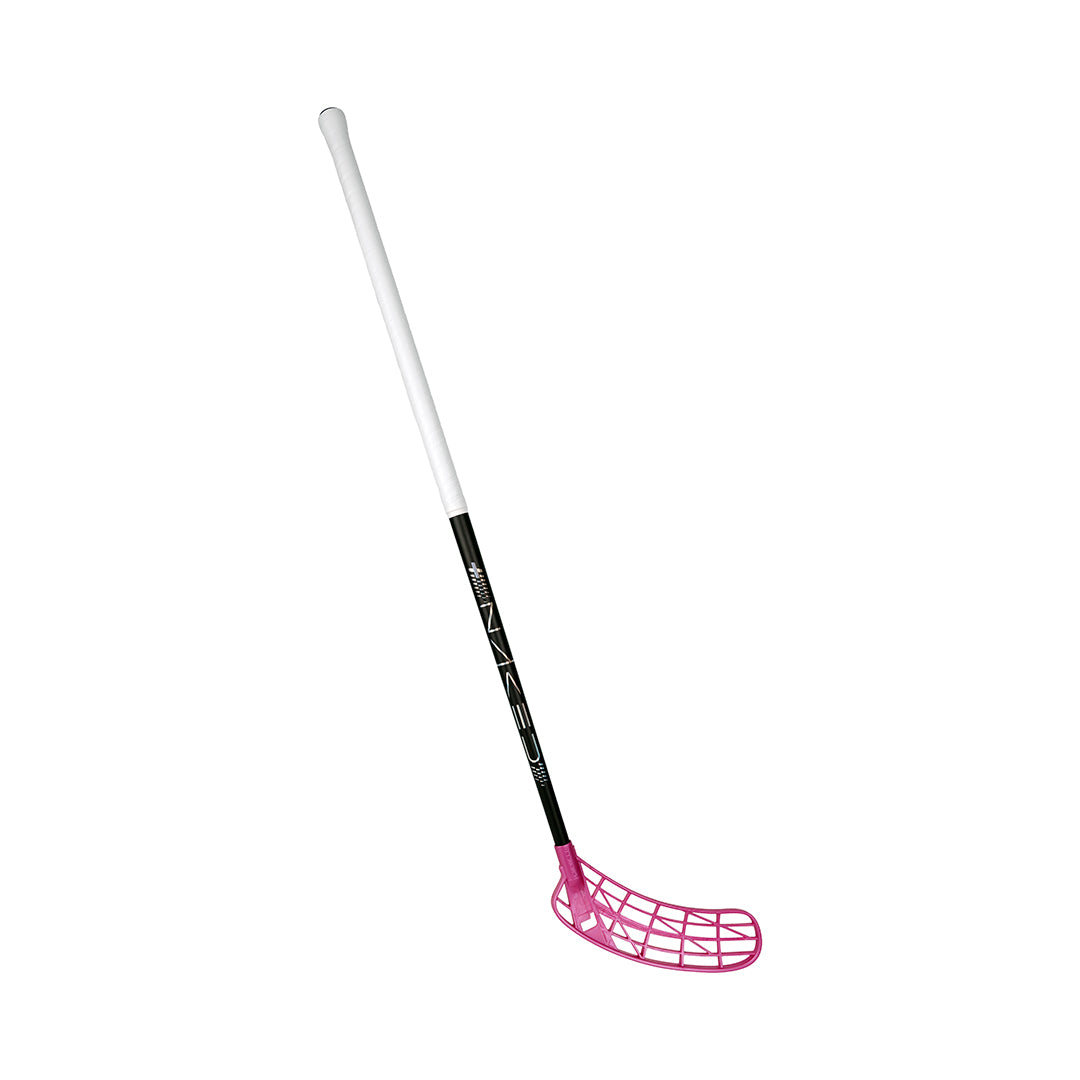
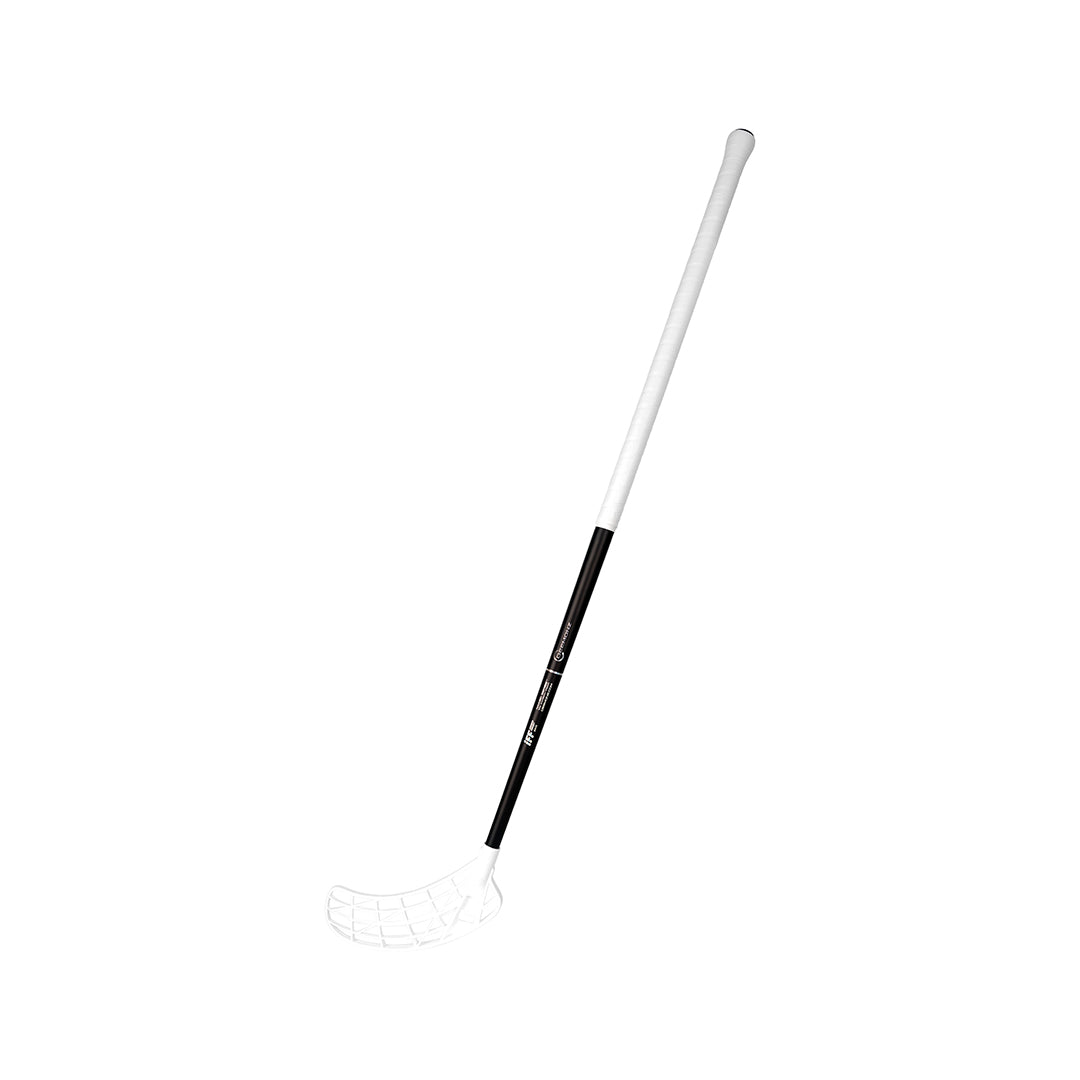
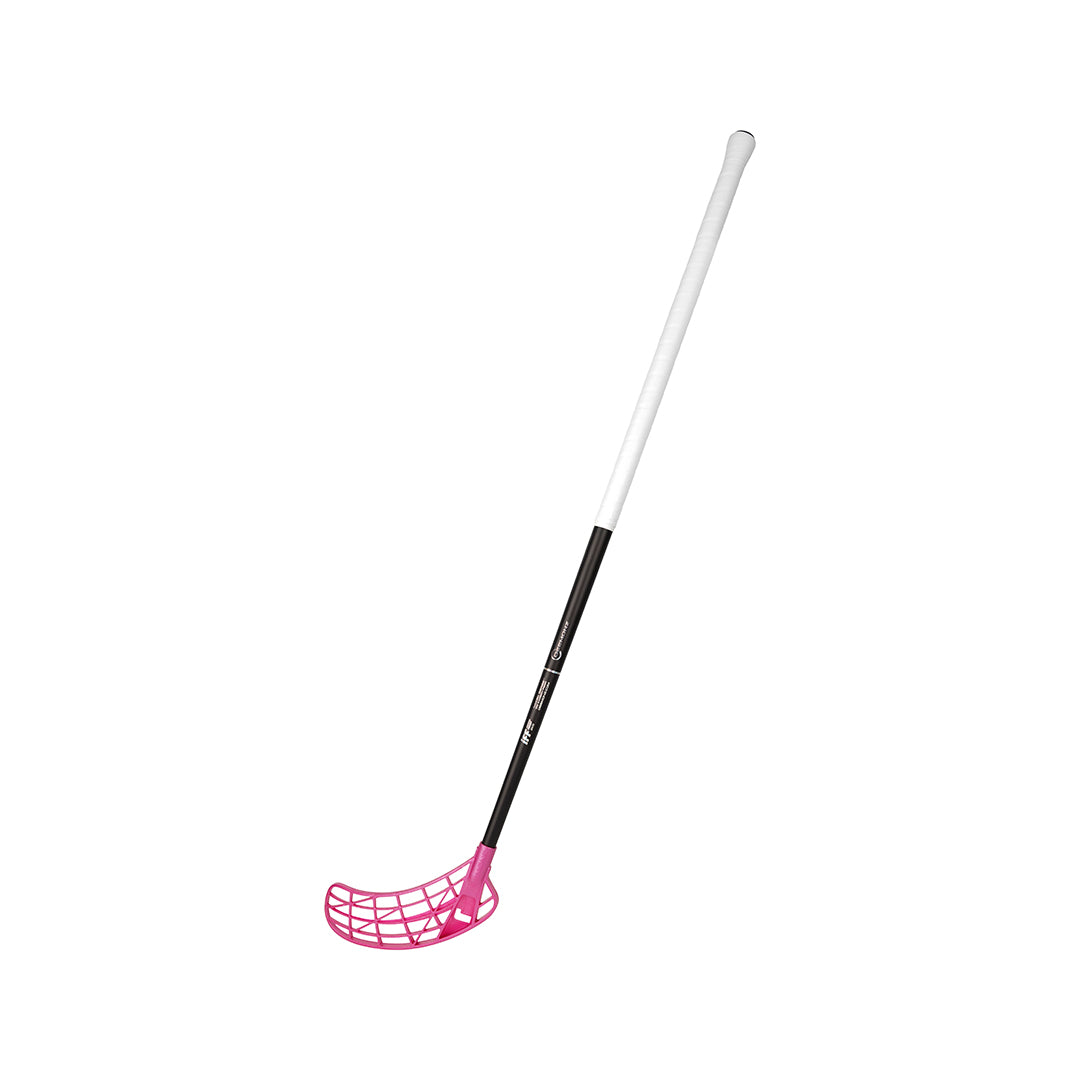
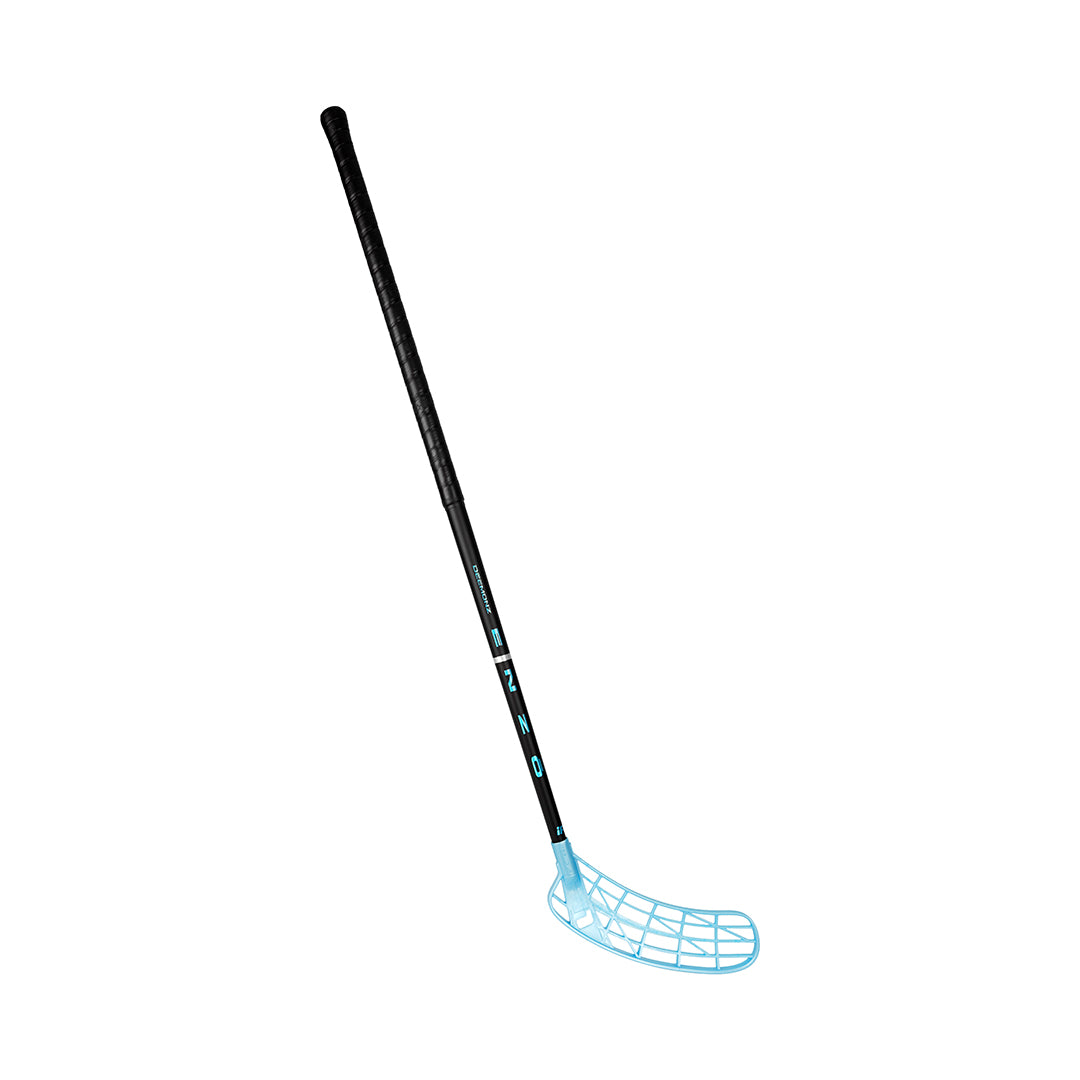
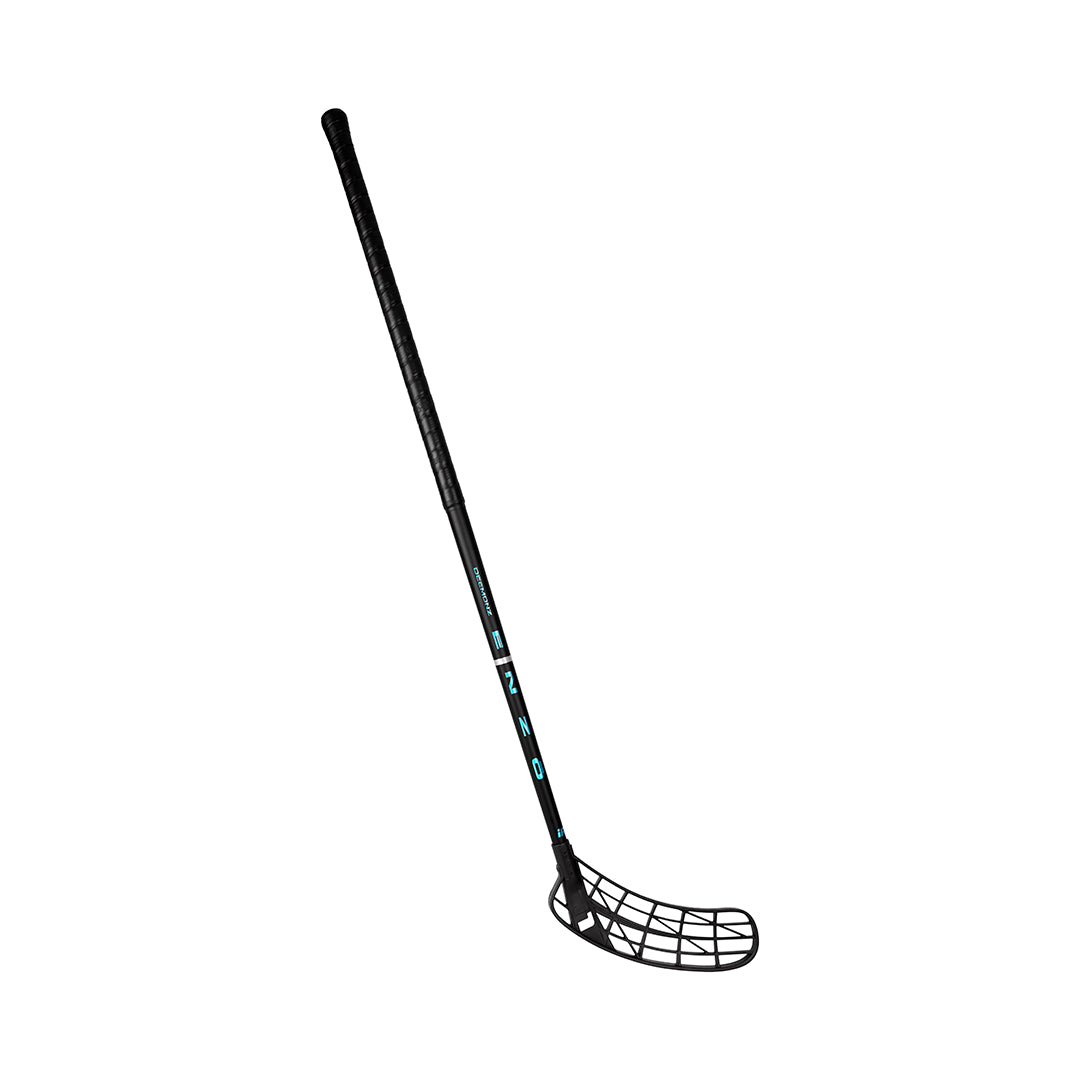
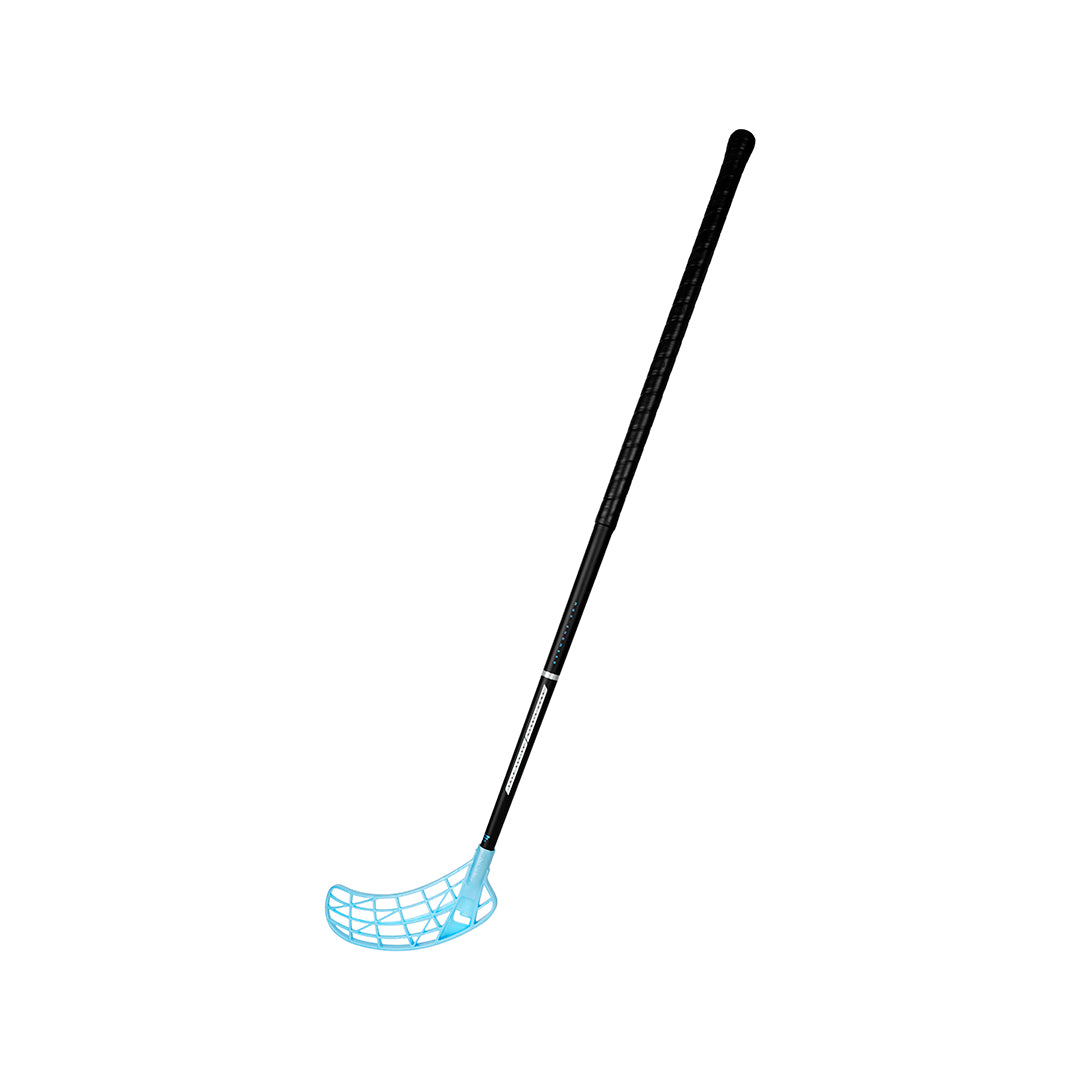
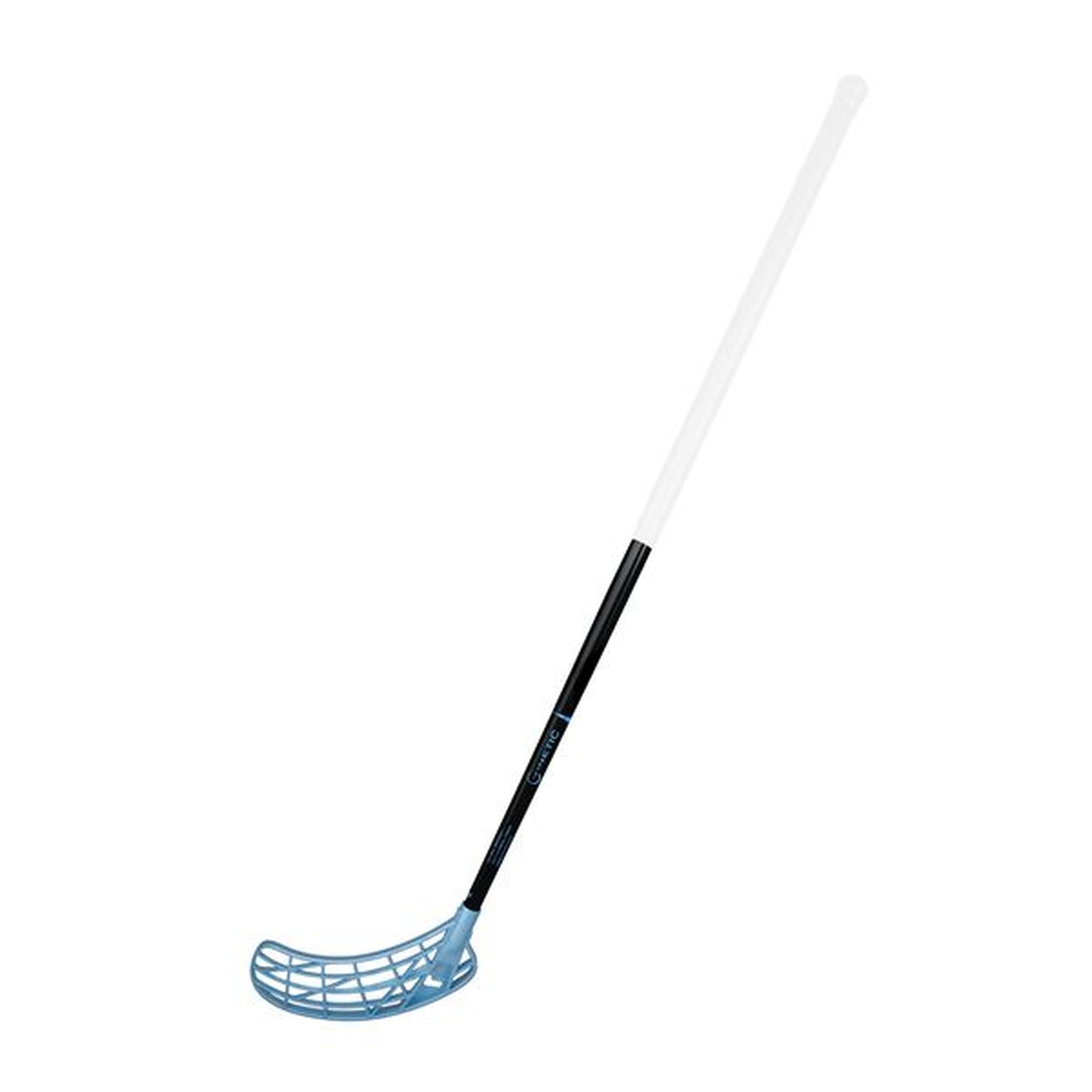
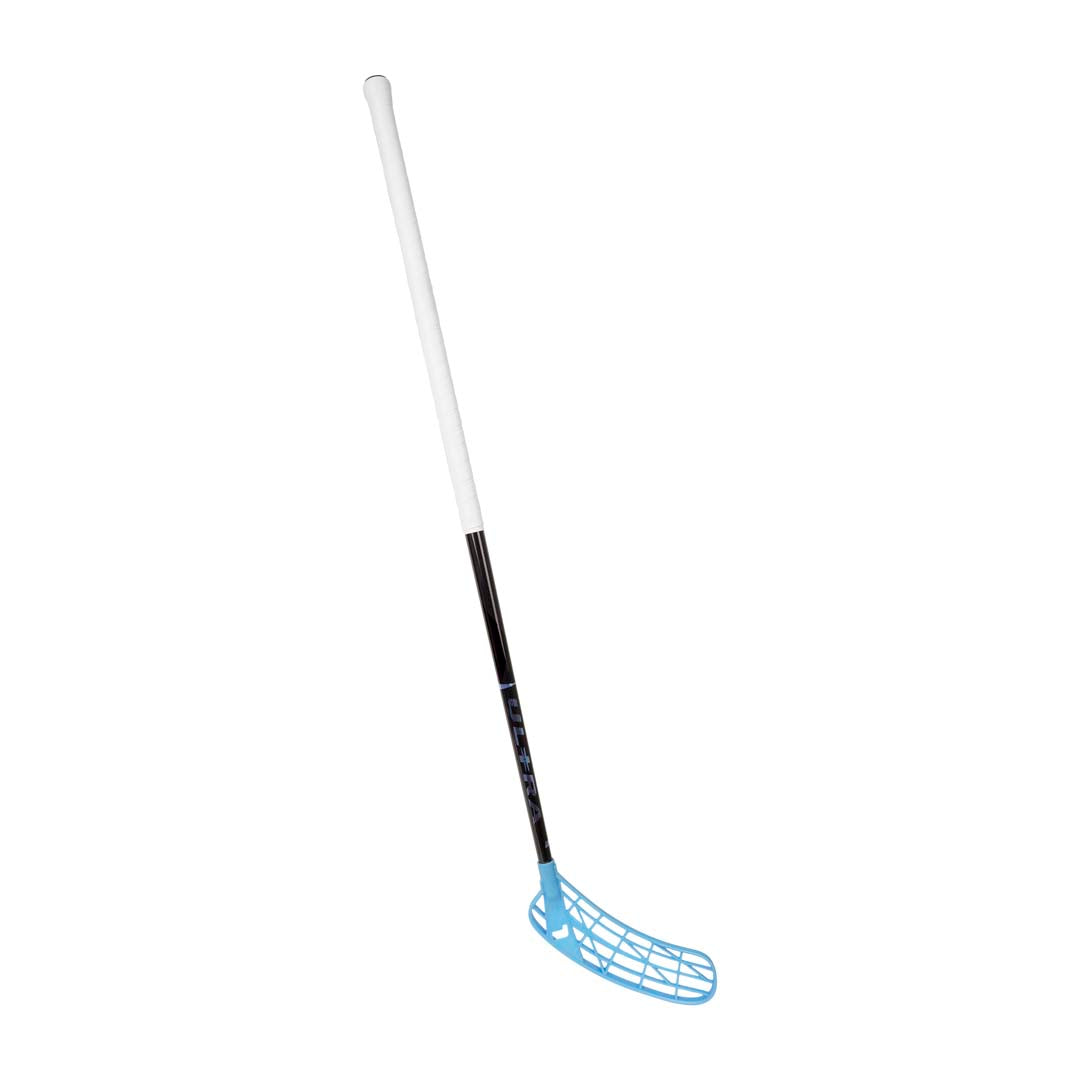
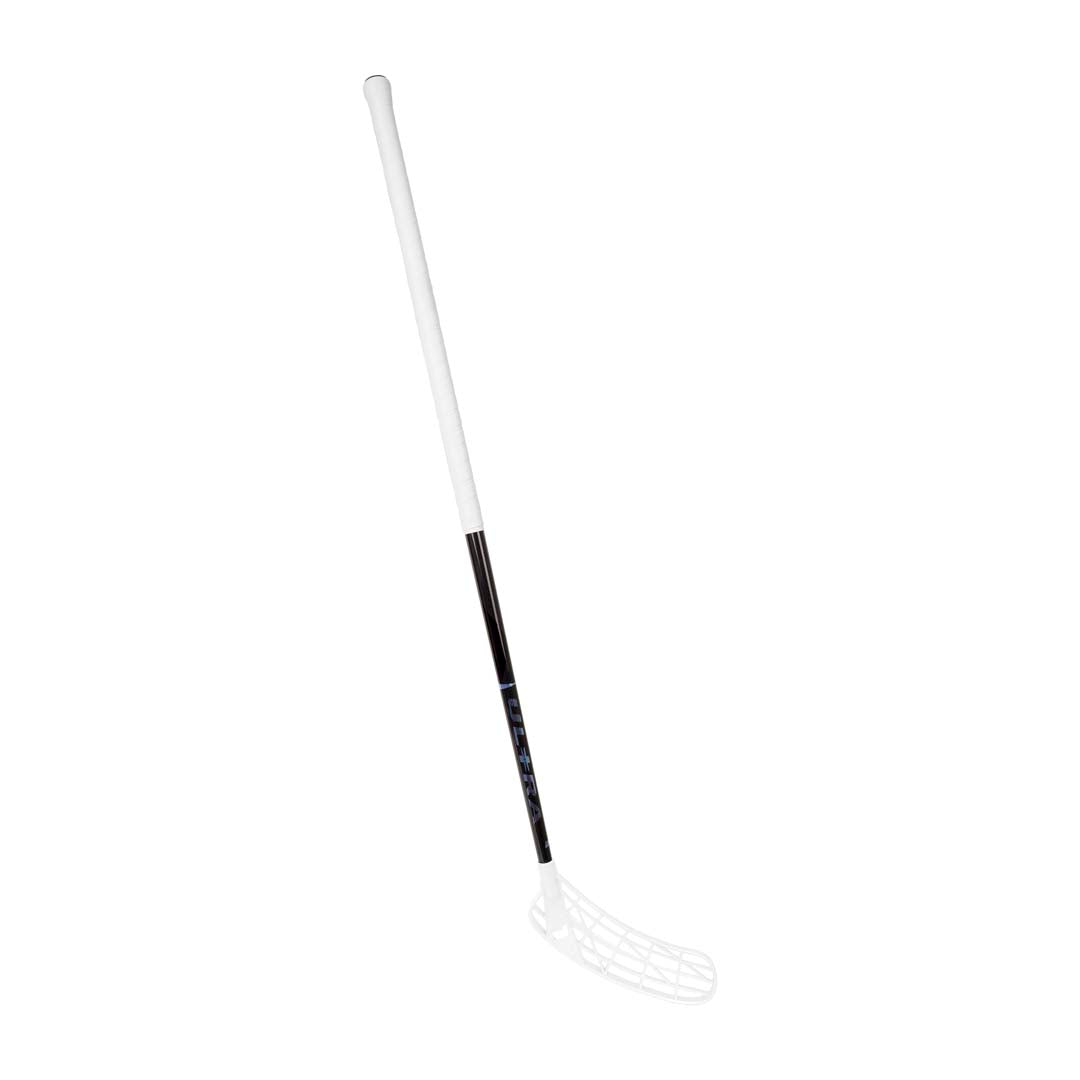
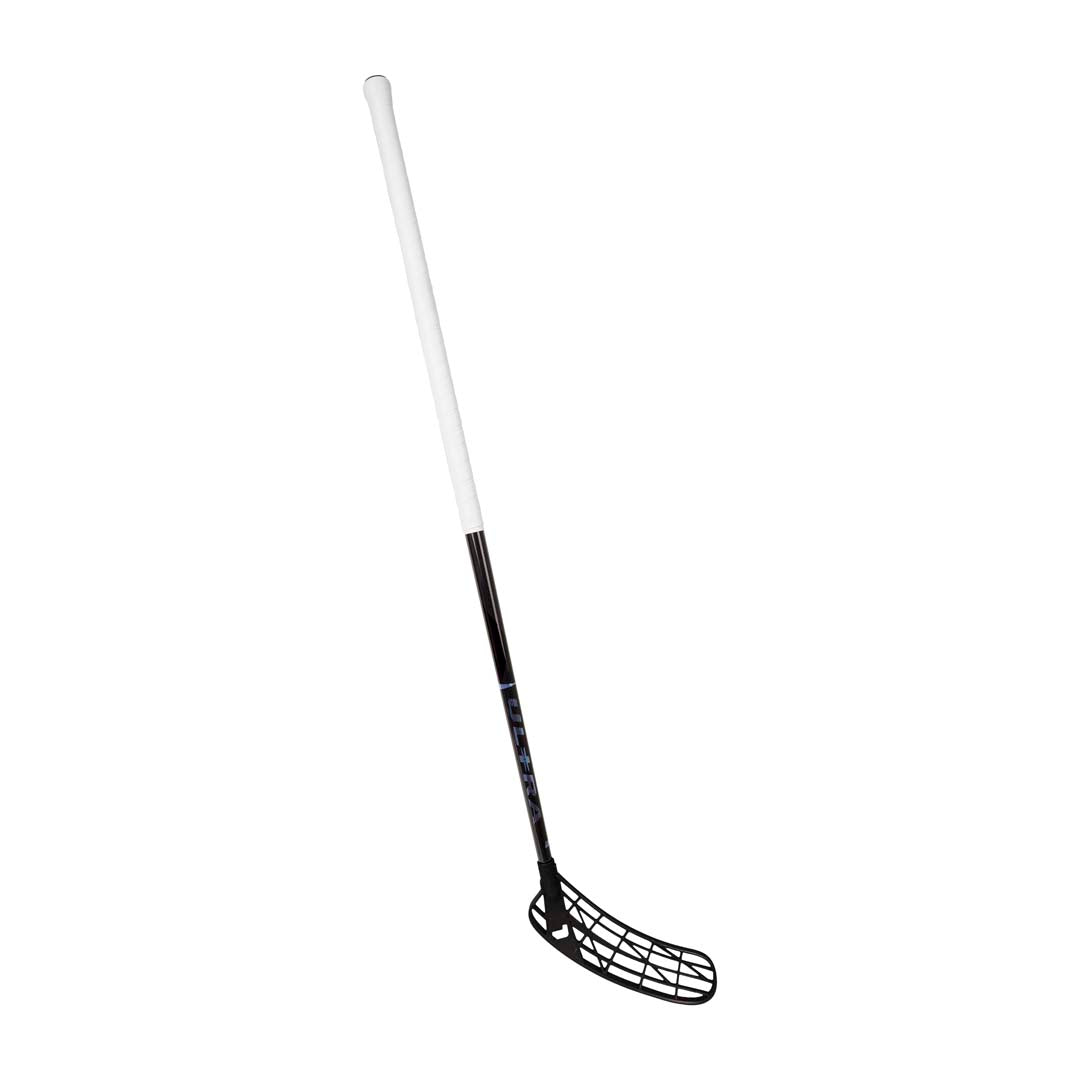
The basic equipment for an outfield player includes a floorball stick, shoes, training clothes, and/or a match kit.
Goalkeepers wear protective equipment, including a helmet, goalkeeper trousers, and a goalkeeper jersey. Some goalkeepers also choose to wear gloves.
Protective eyewear is recommended for senior players but is not compulsory. It is mandatory for junior players under the age of 18.
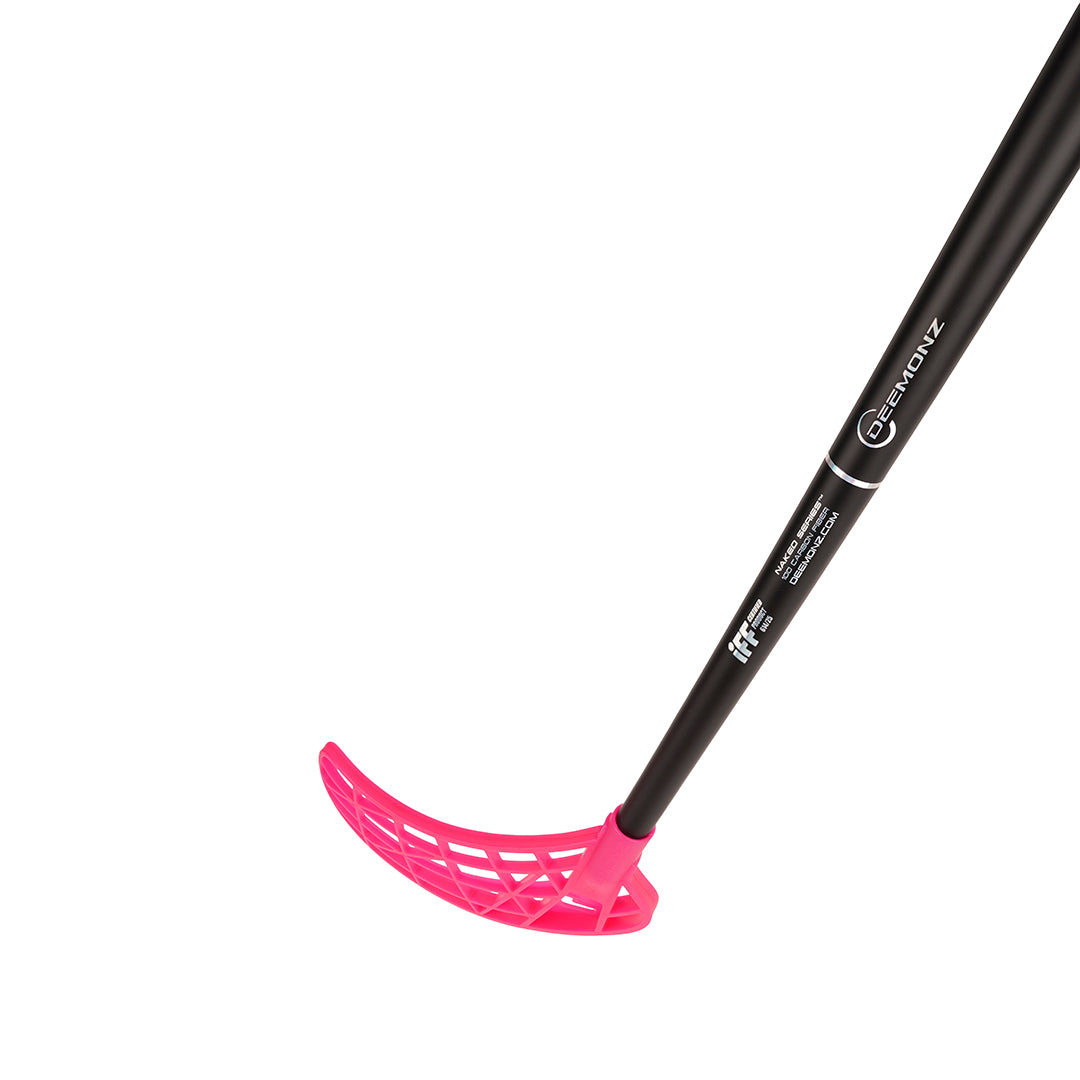
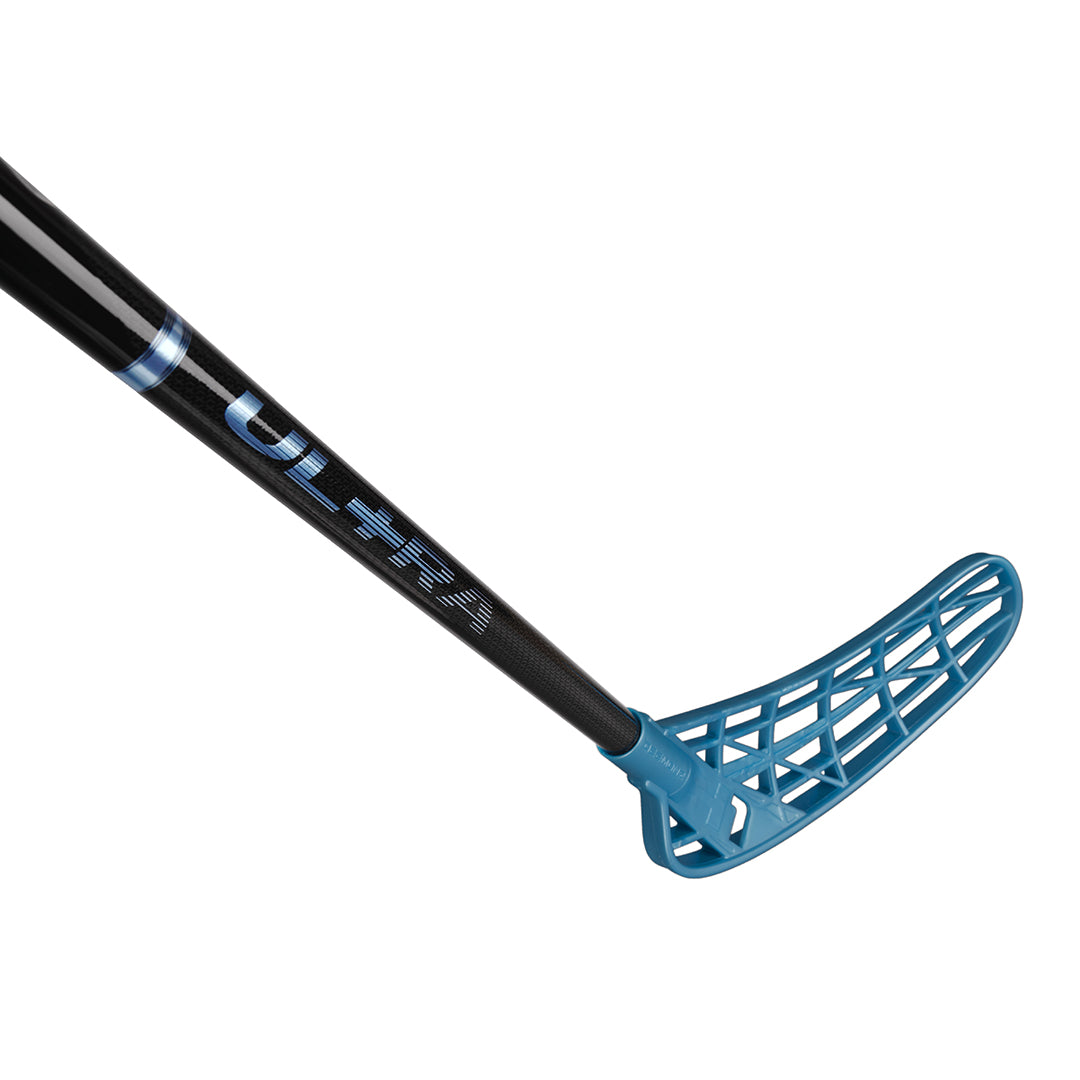
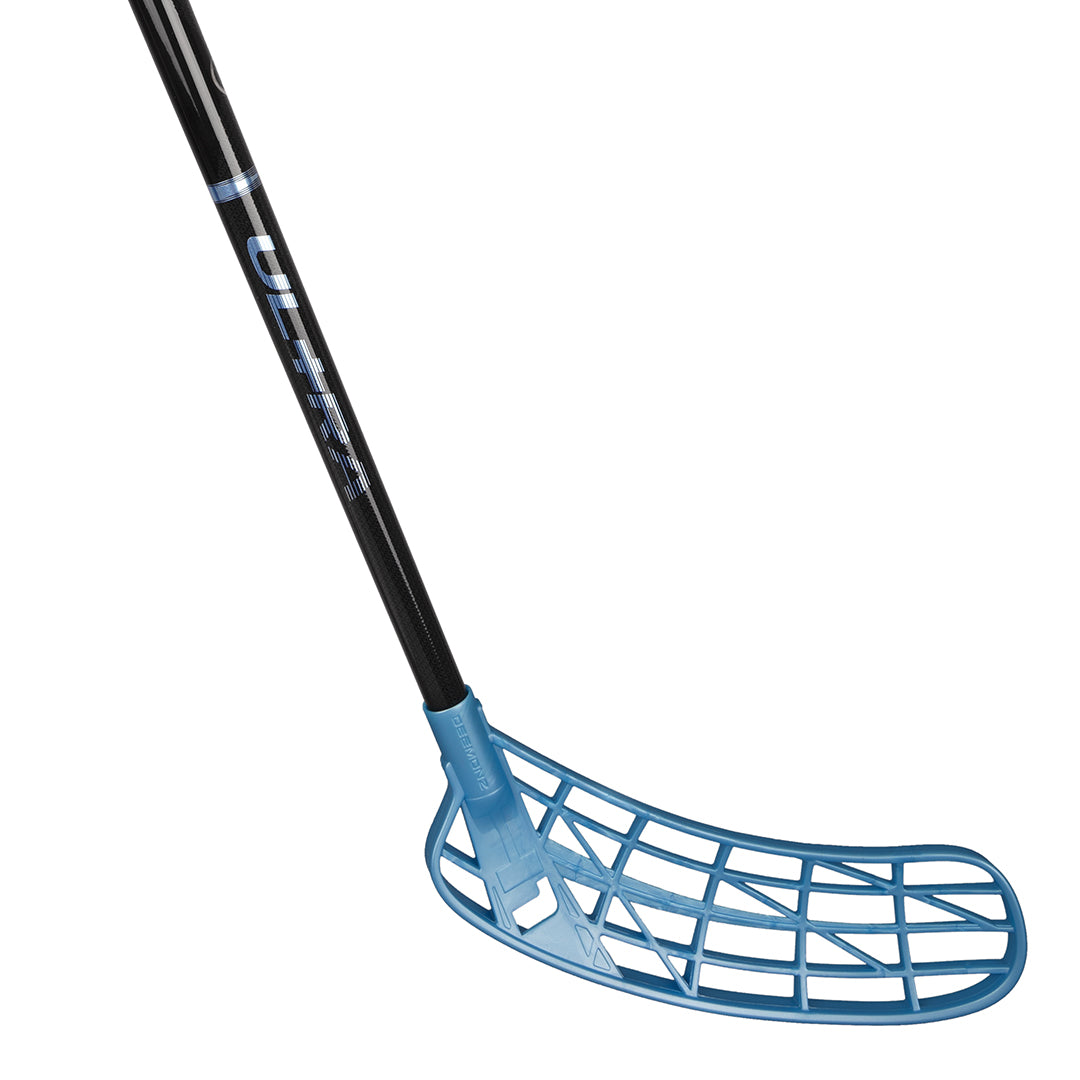
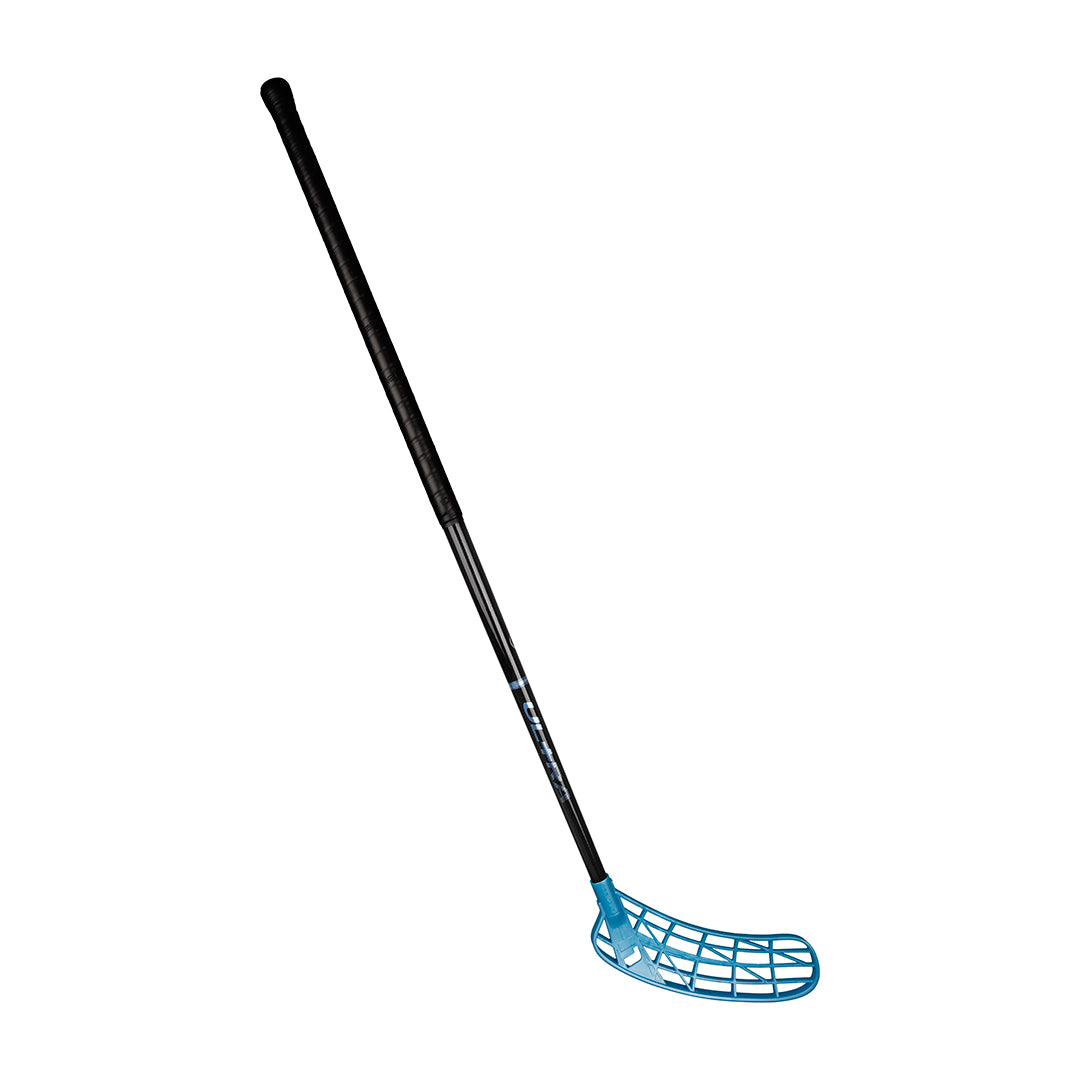
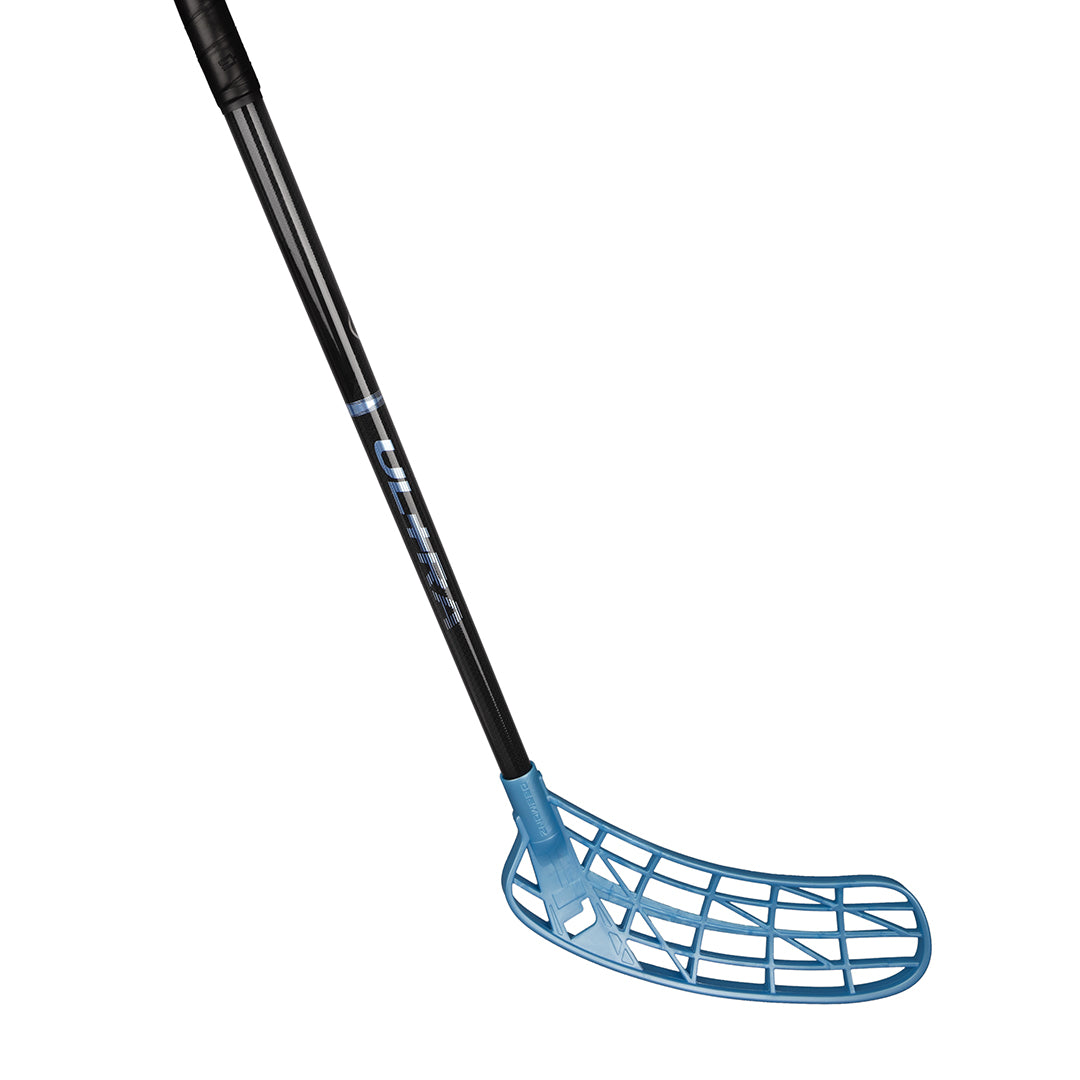
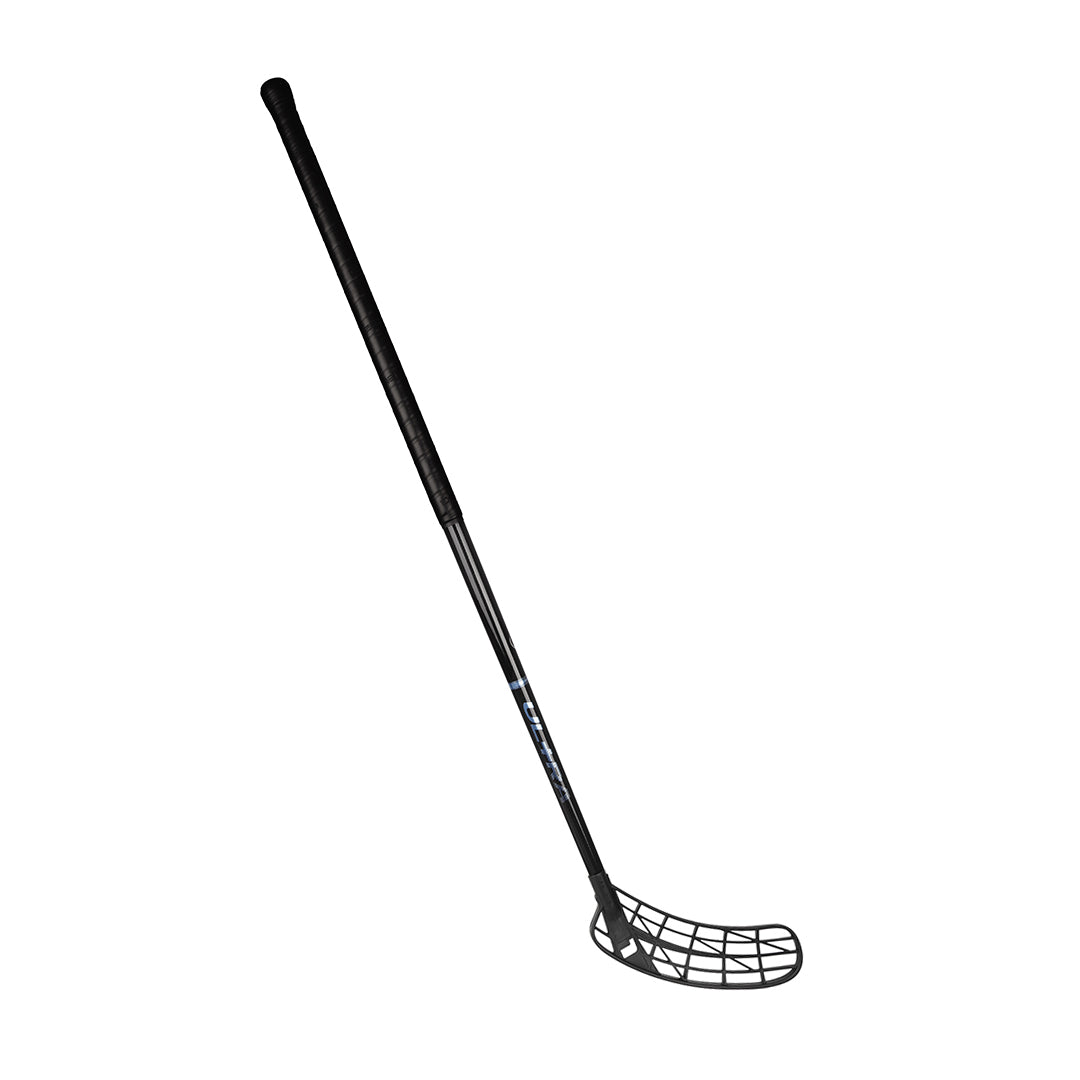
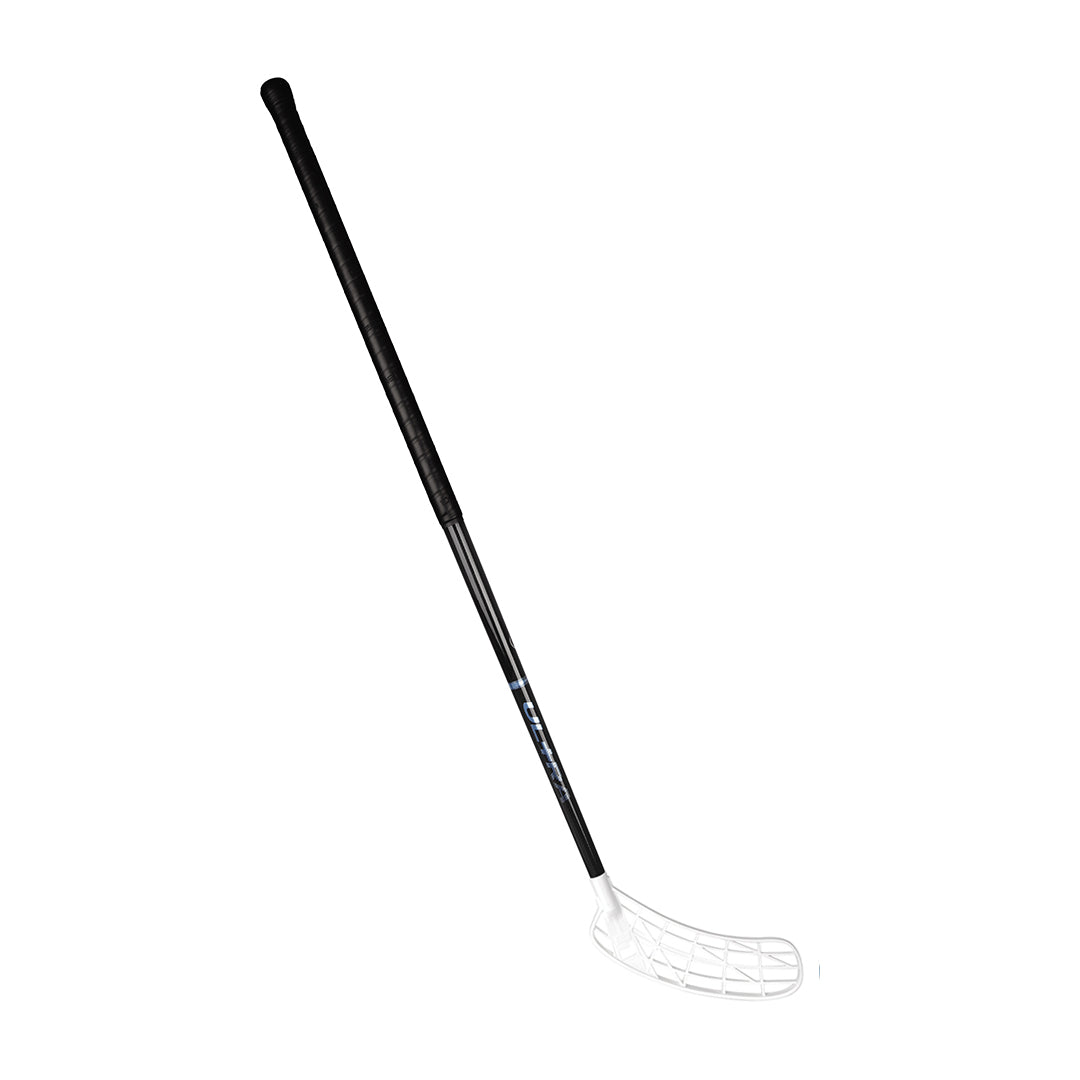
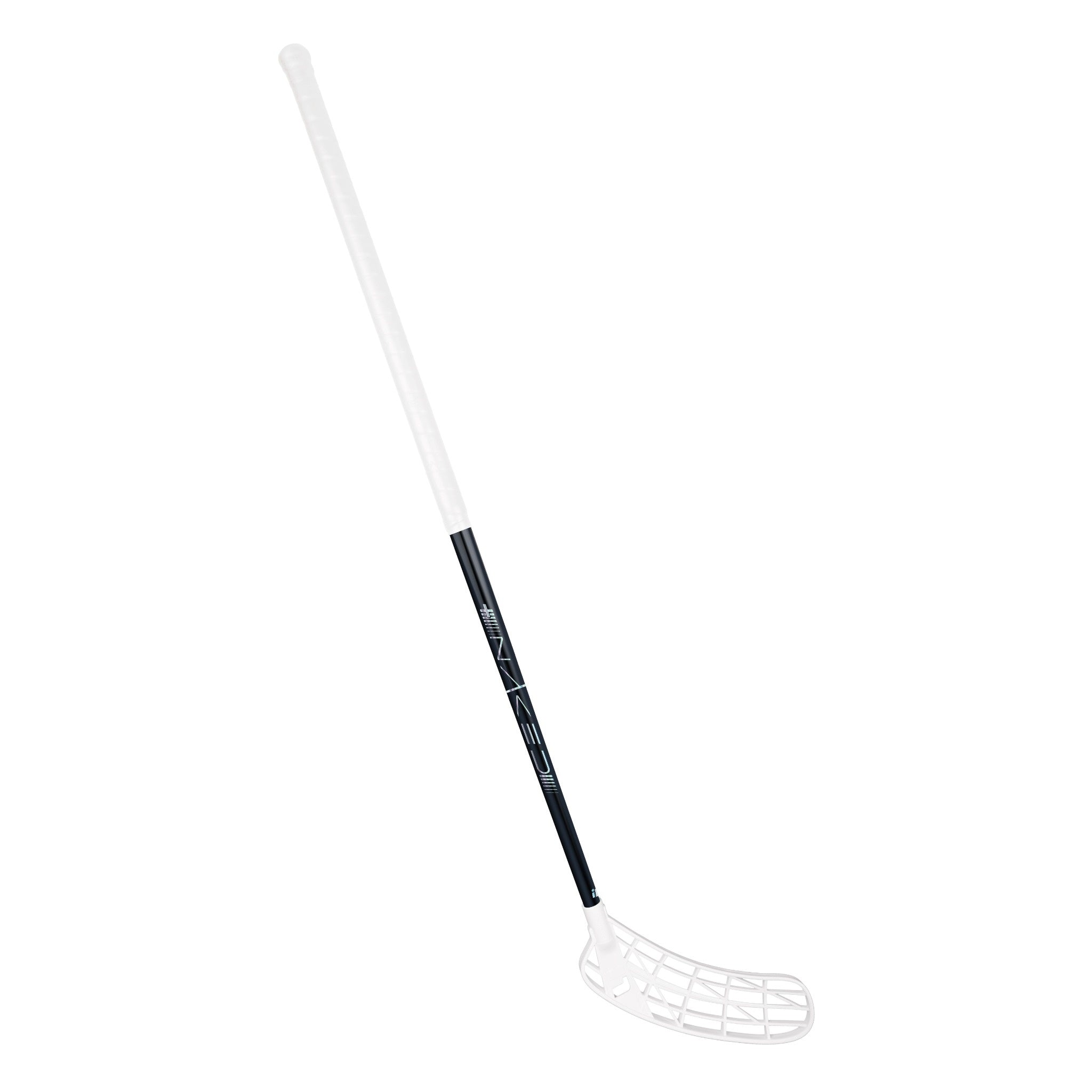
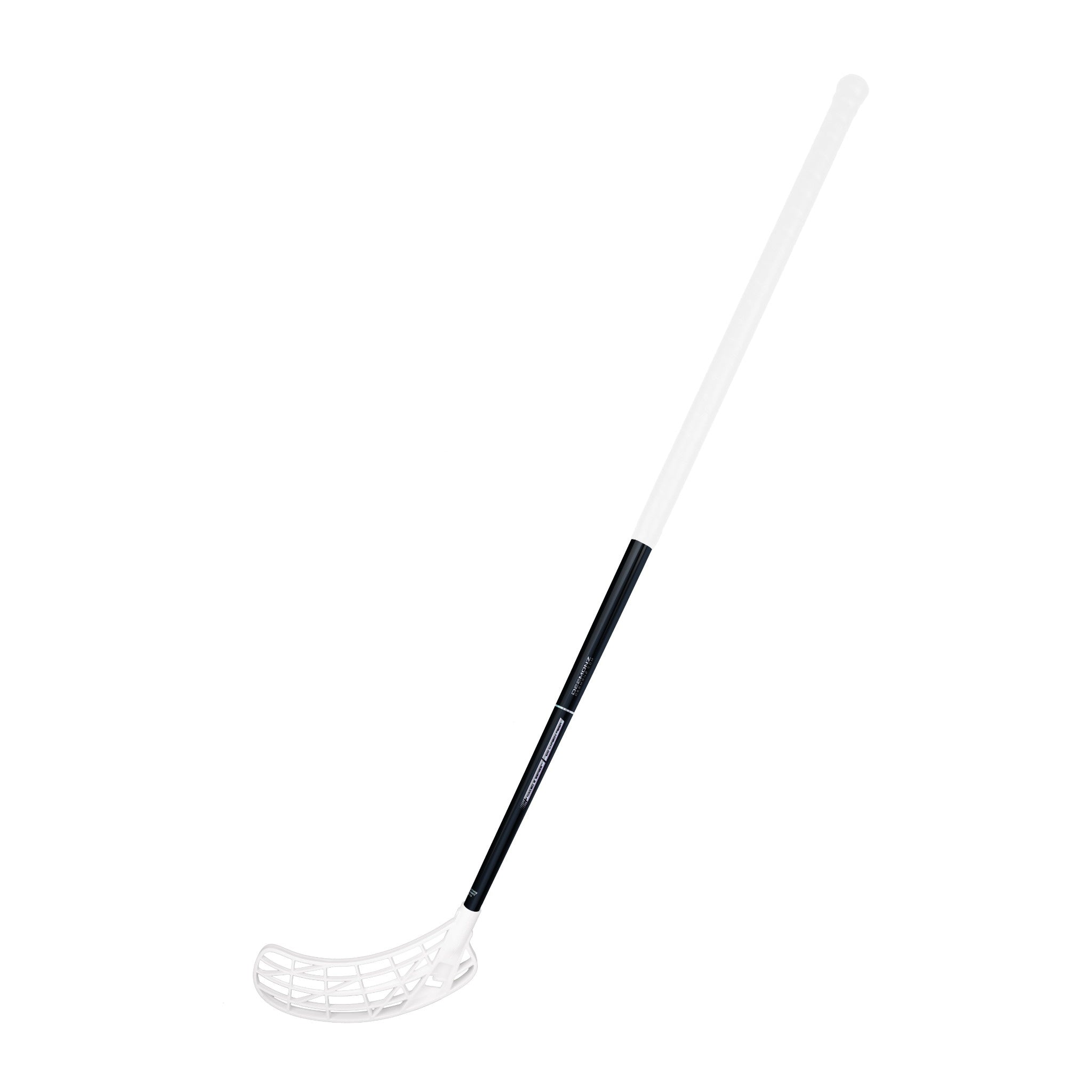
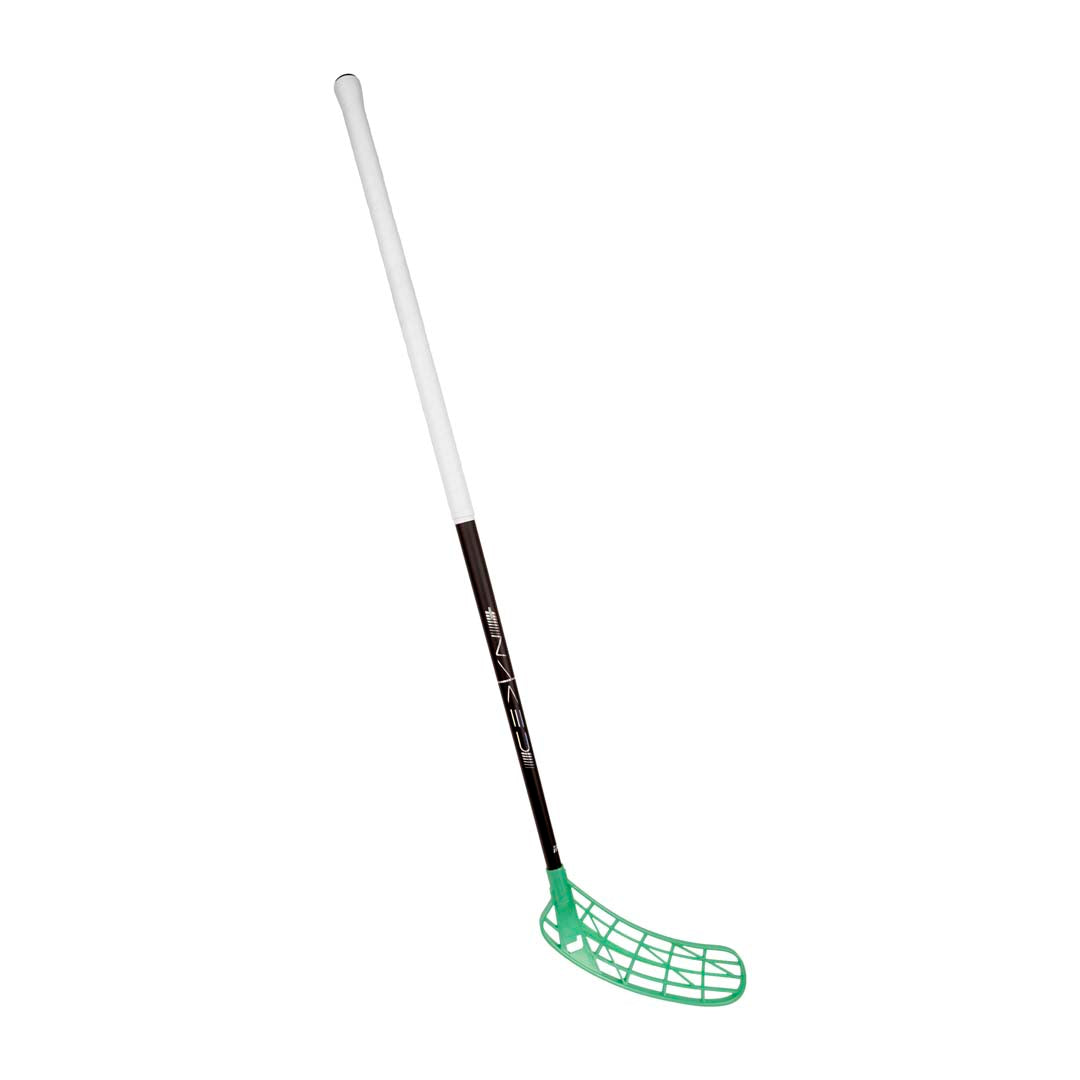
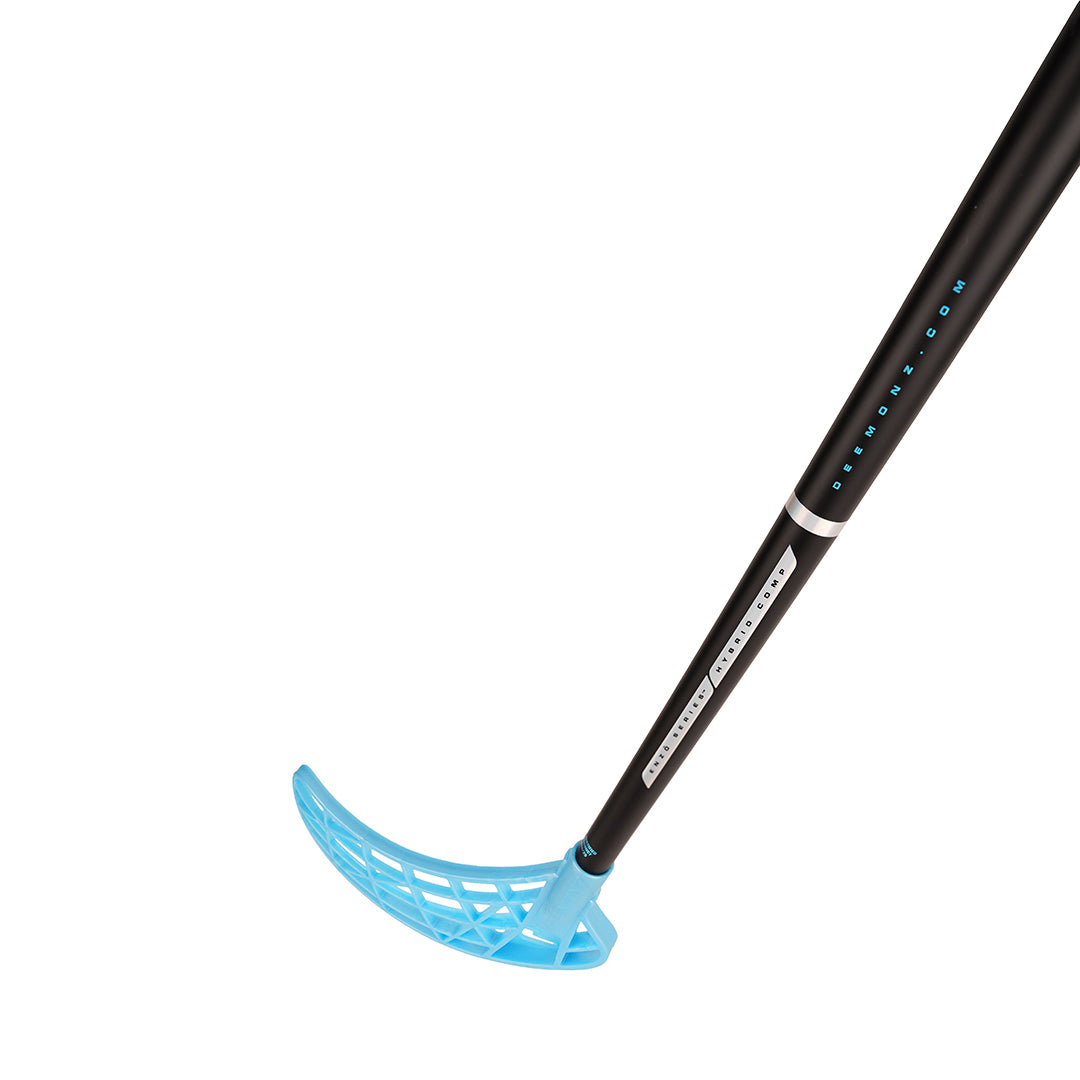
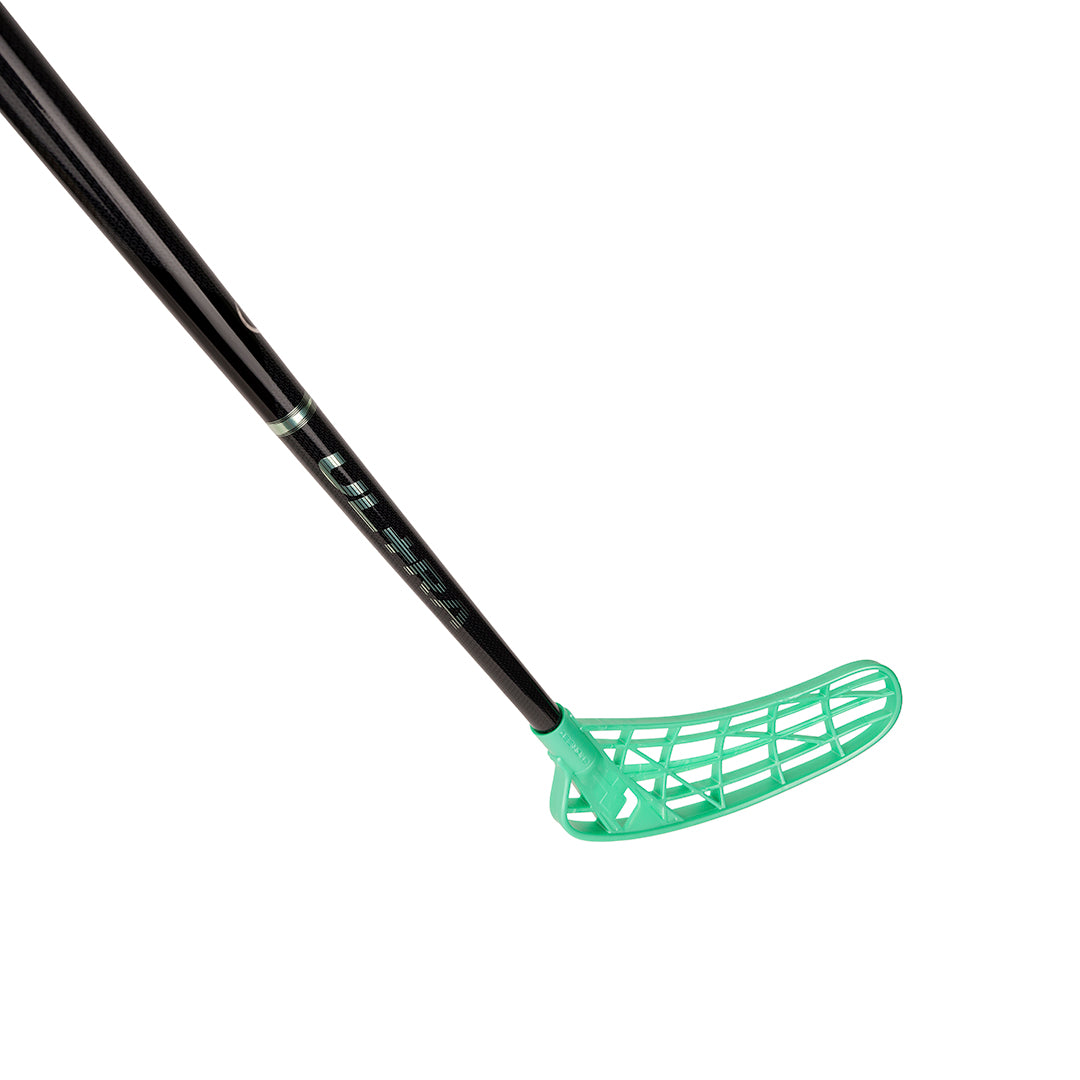
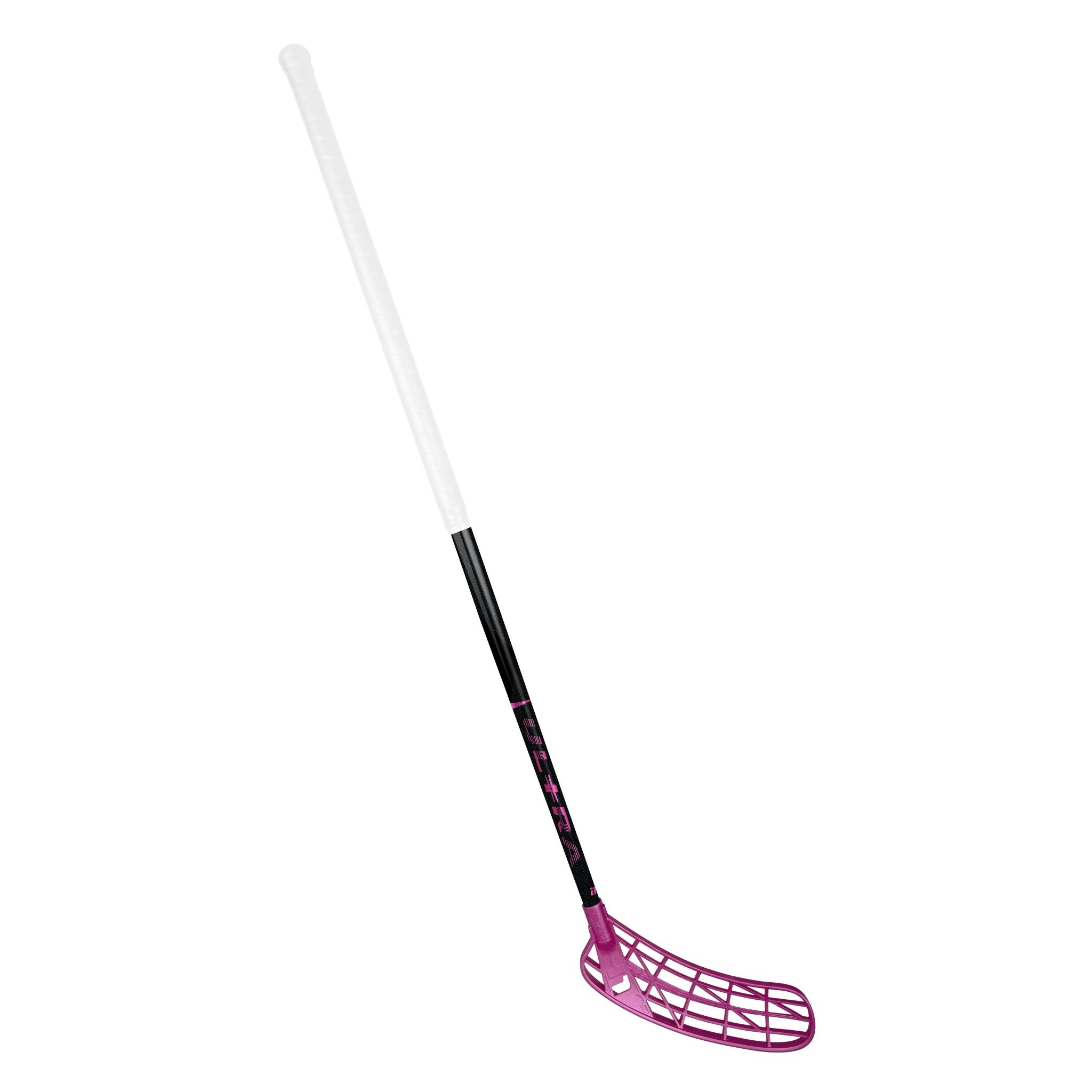
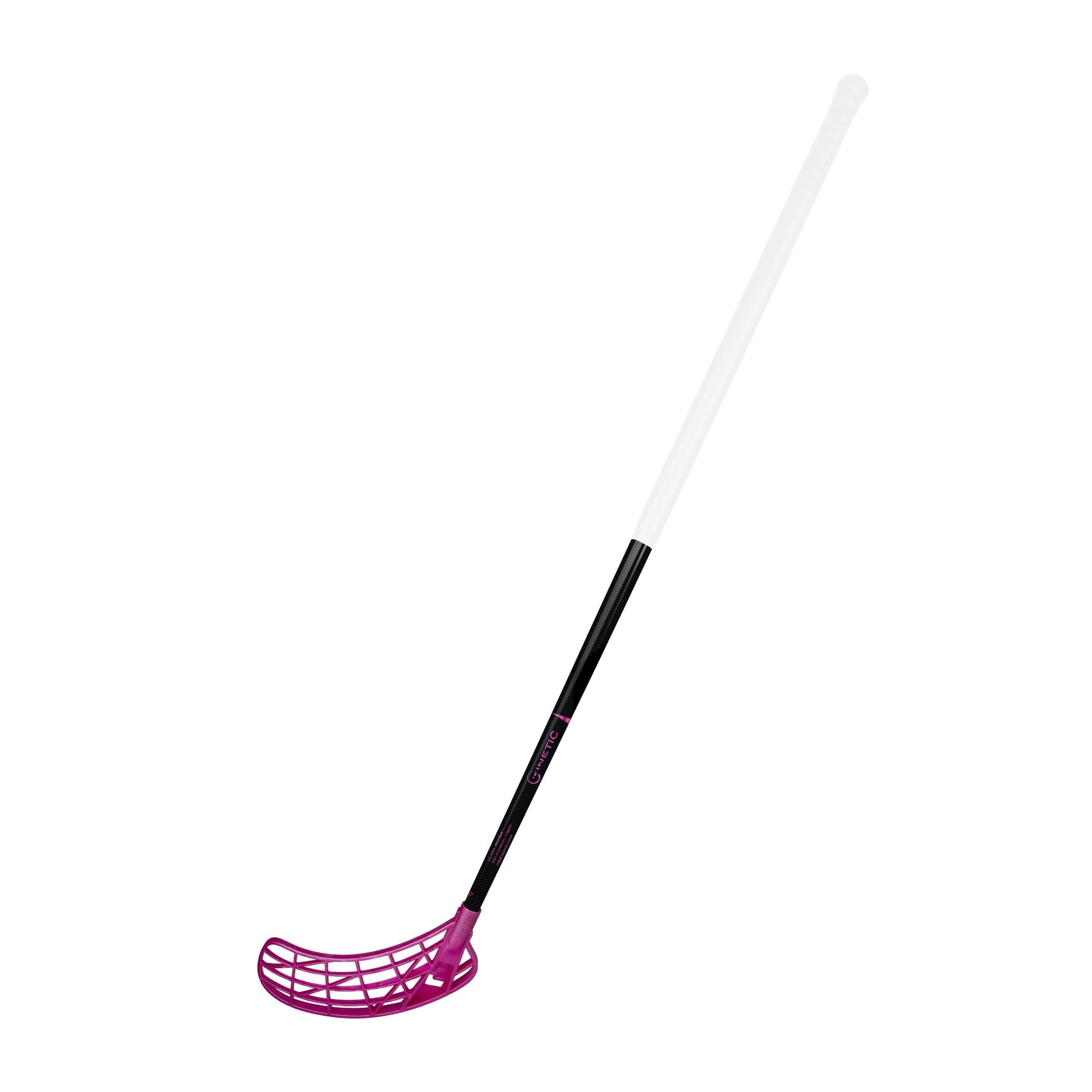
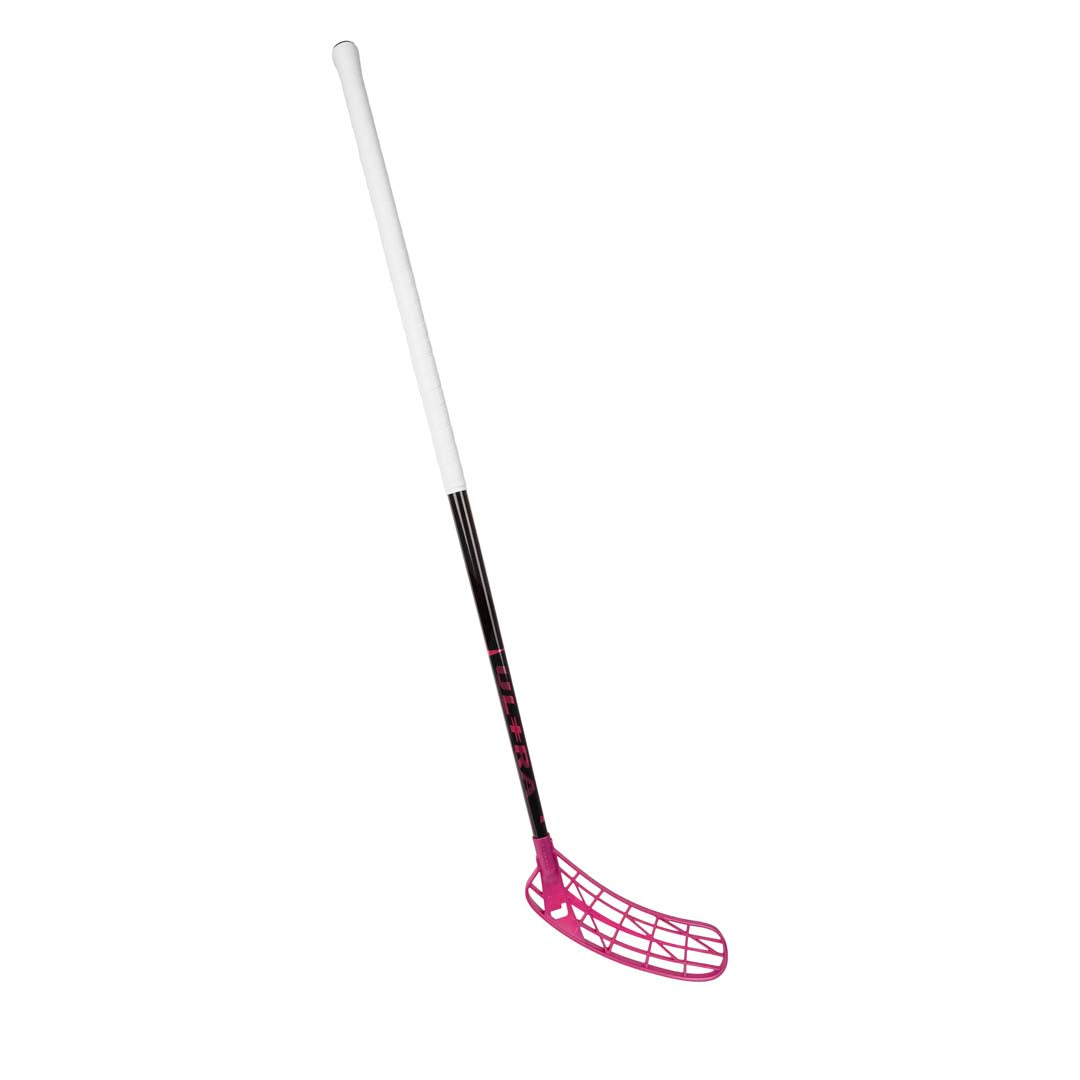
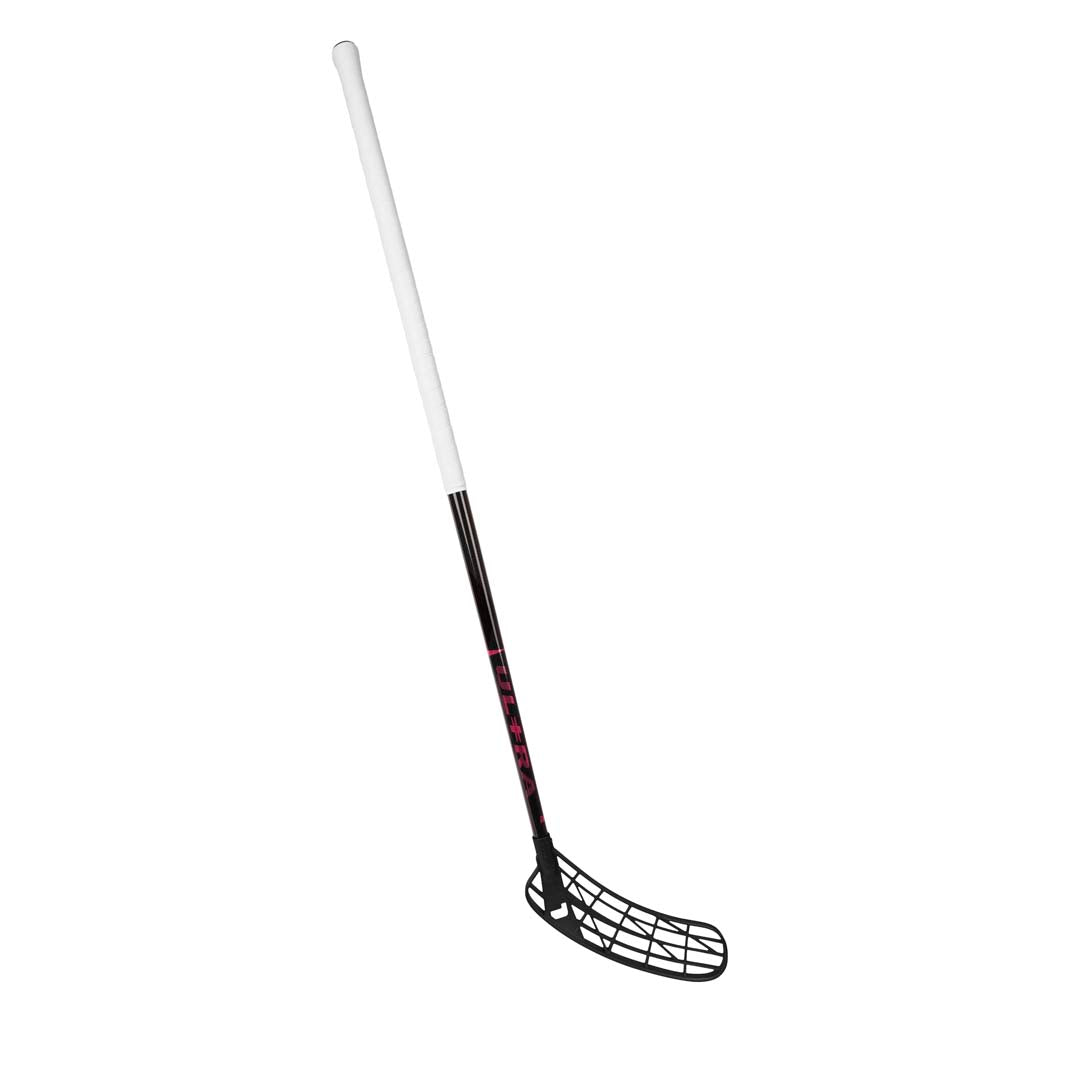
Modern floorball stick shafts are made from lightweight materials such as carbon fibre, fibreglass, or combinations of the two. These materials give the shaft different levels of stiffness, known as flex.
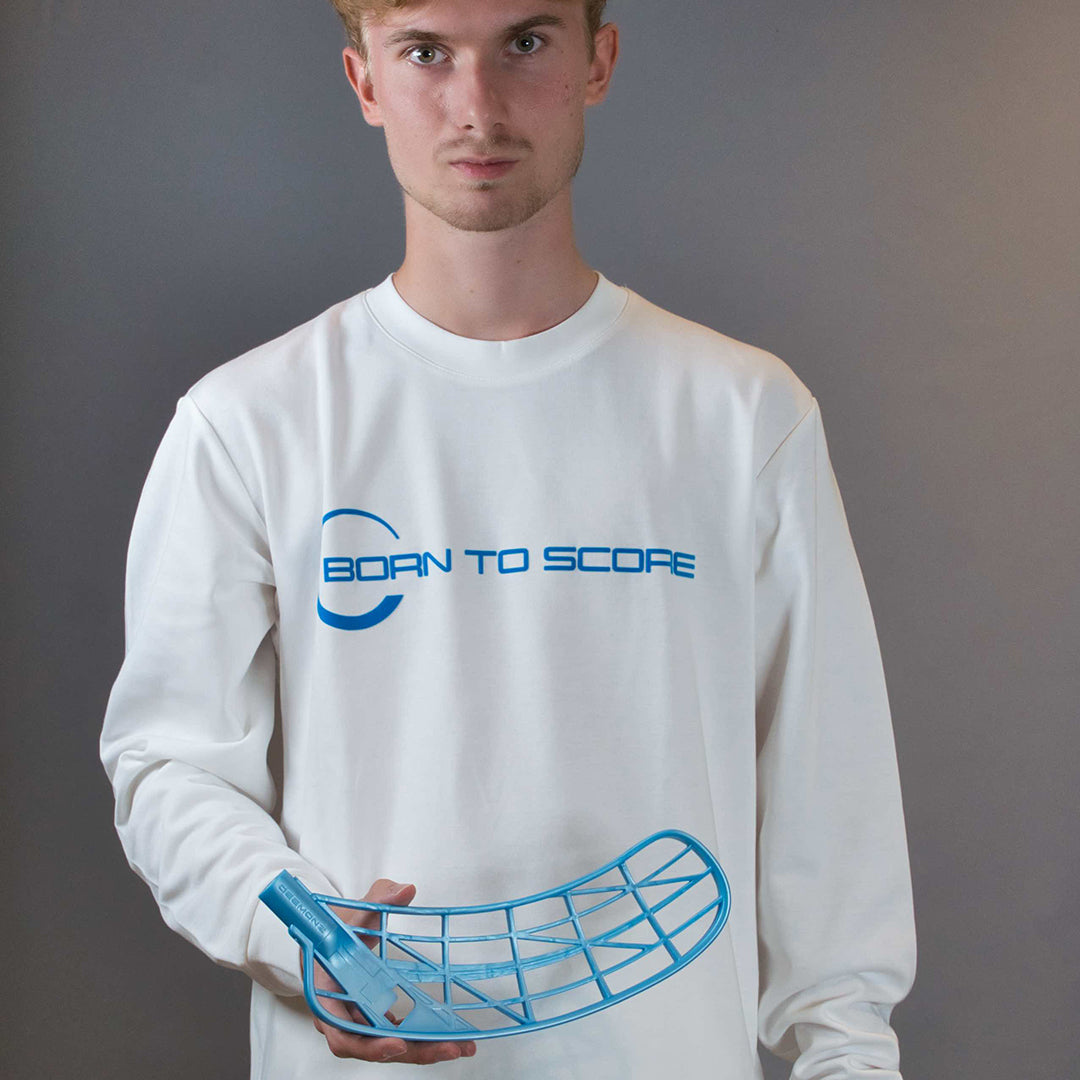
Floorball blades are designed to suit different playing styles and age groups. The choice of blade is highly individual, with a wide range of curves, concavity levels, and soft or hard plastic materials available for personal optimisation.
Children are generally advised to use softer shafts with a higher flex, together with softer blades that have greater concavity and curvature.
From junior level onwards, the choice of floorball stick is usually adapted to the player’s individual characteristics, playing style, and needs.
Read more about floorball stick shafts, length, flex, materials, blades, and grips in the DEEMONZ guides to choosing the right floorball equipment.
Updated: 26 February 2024