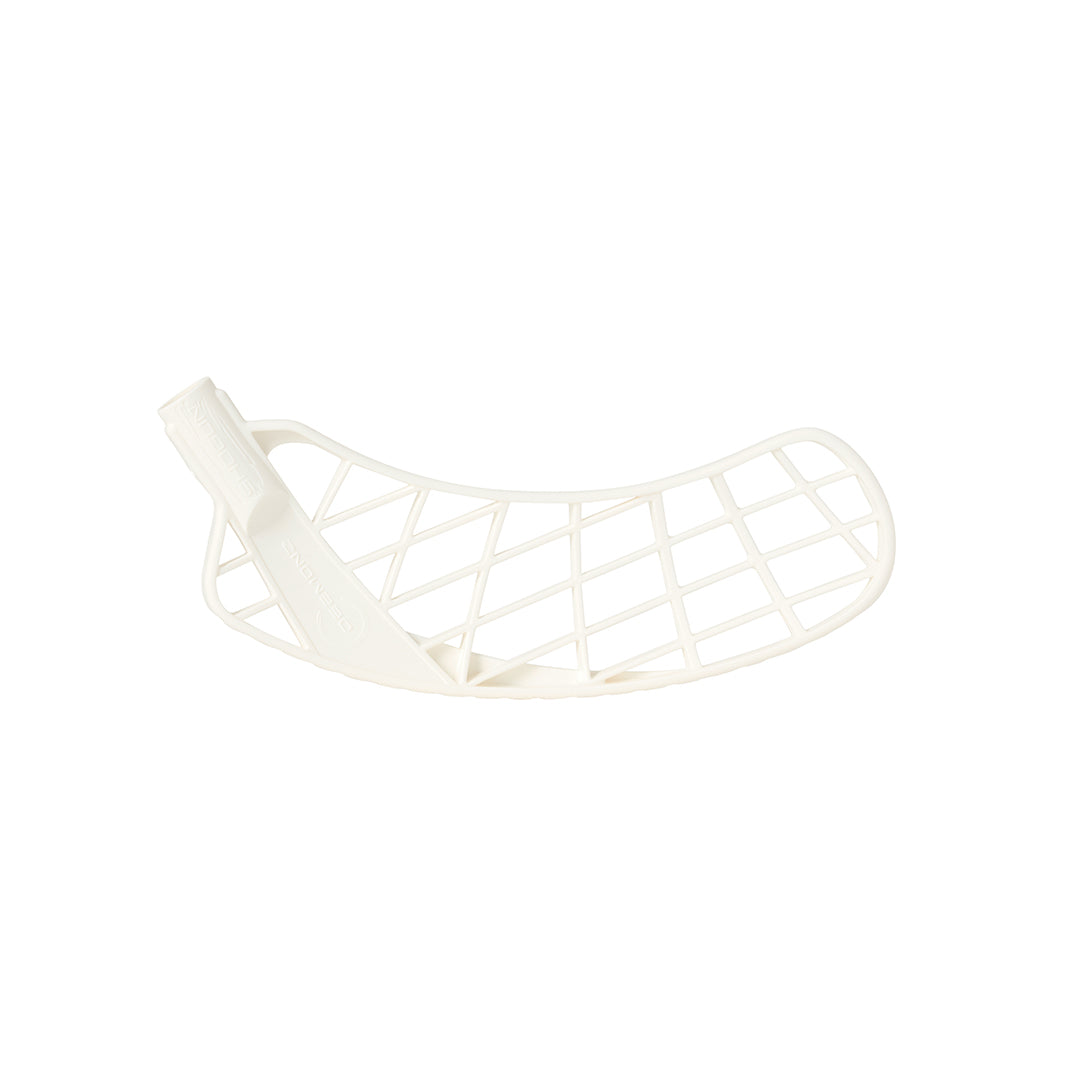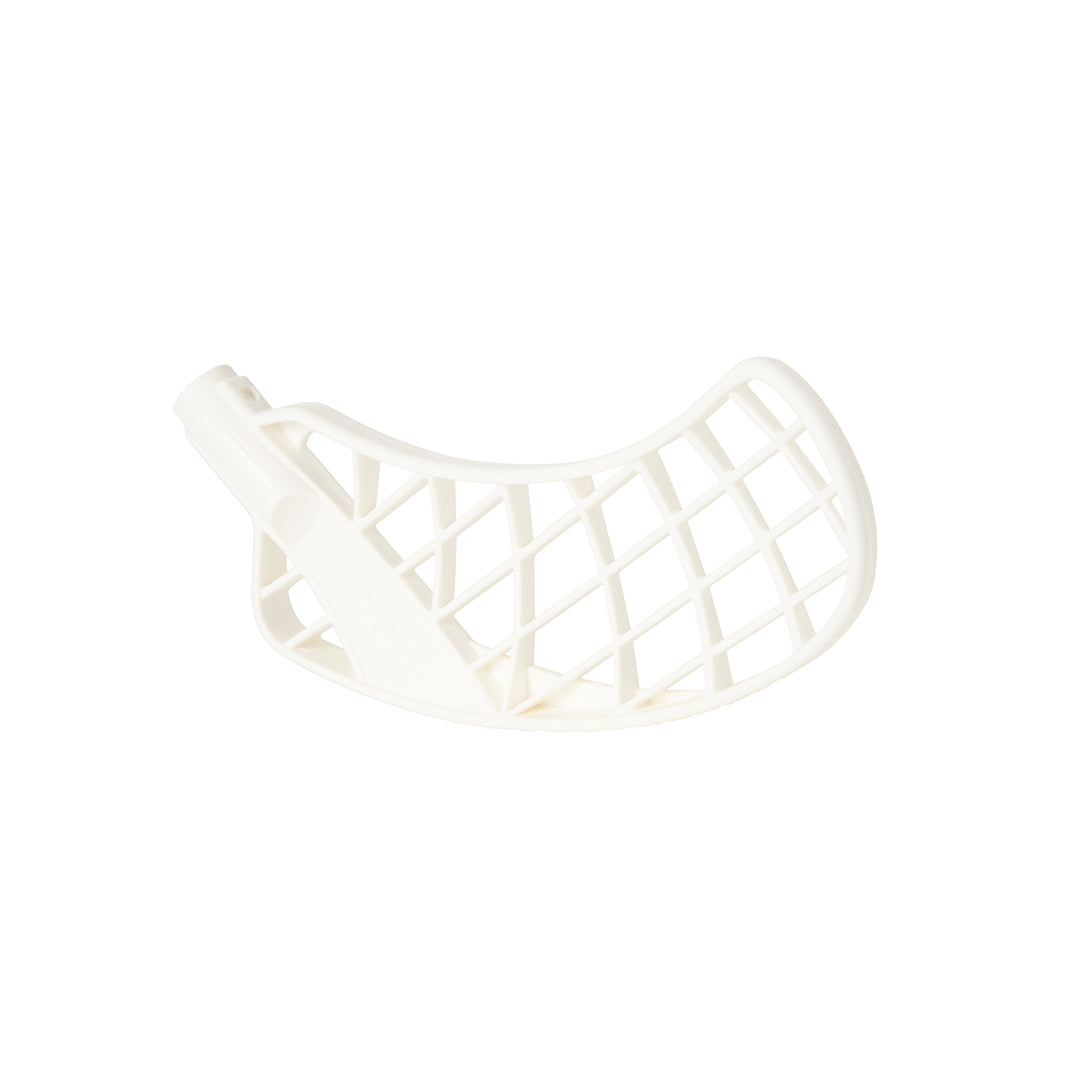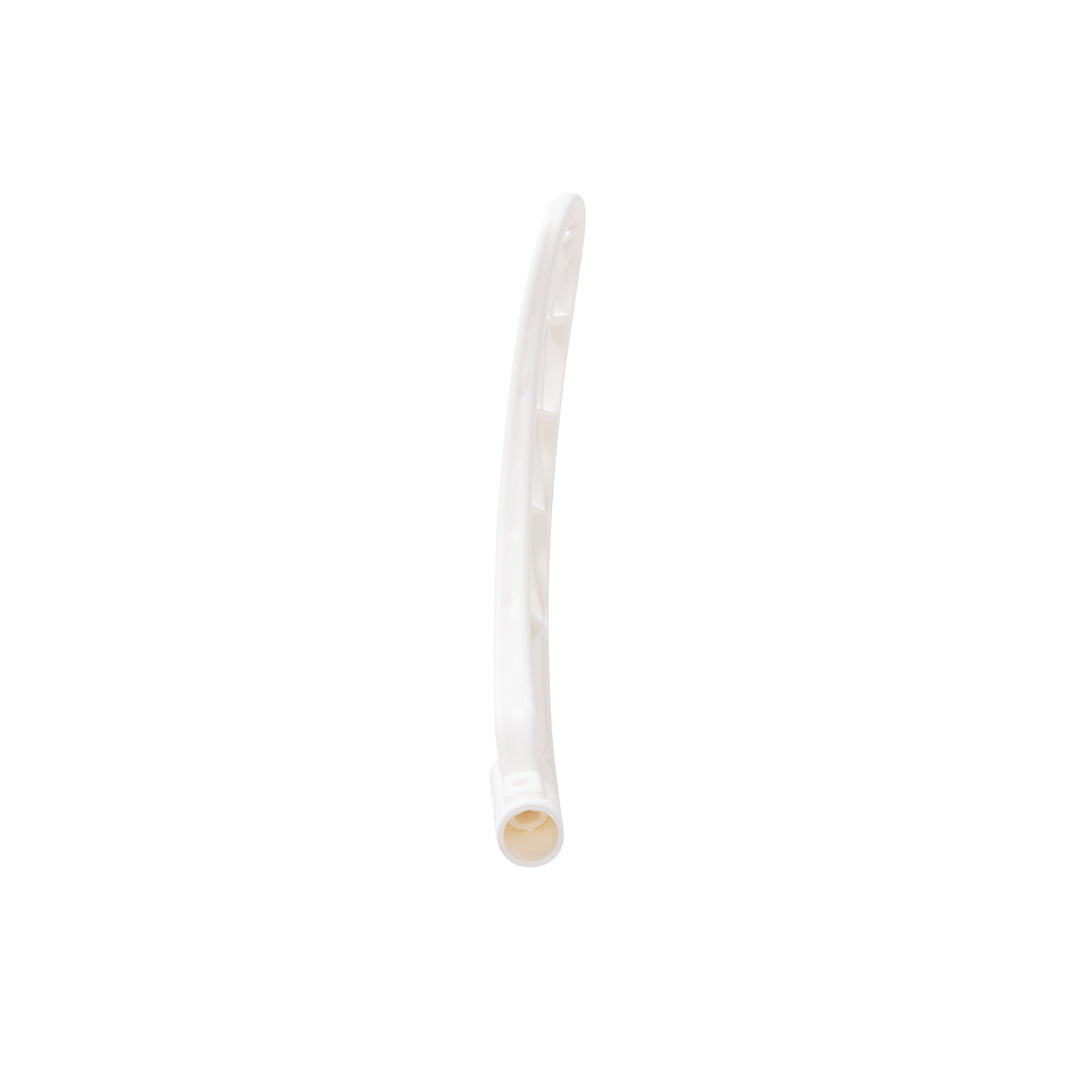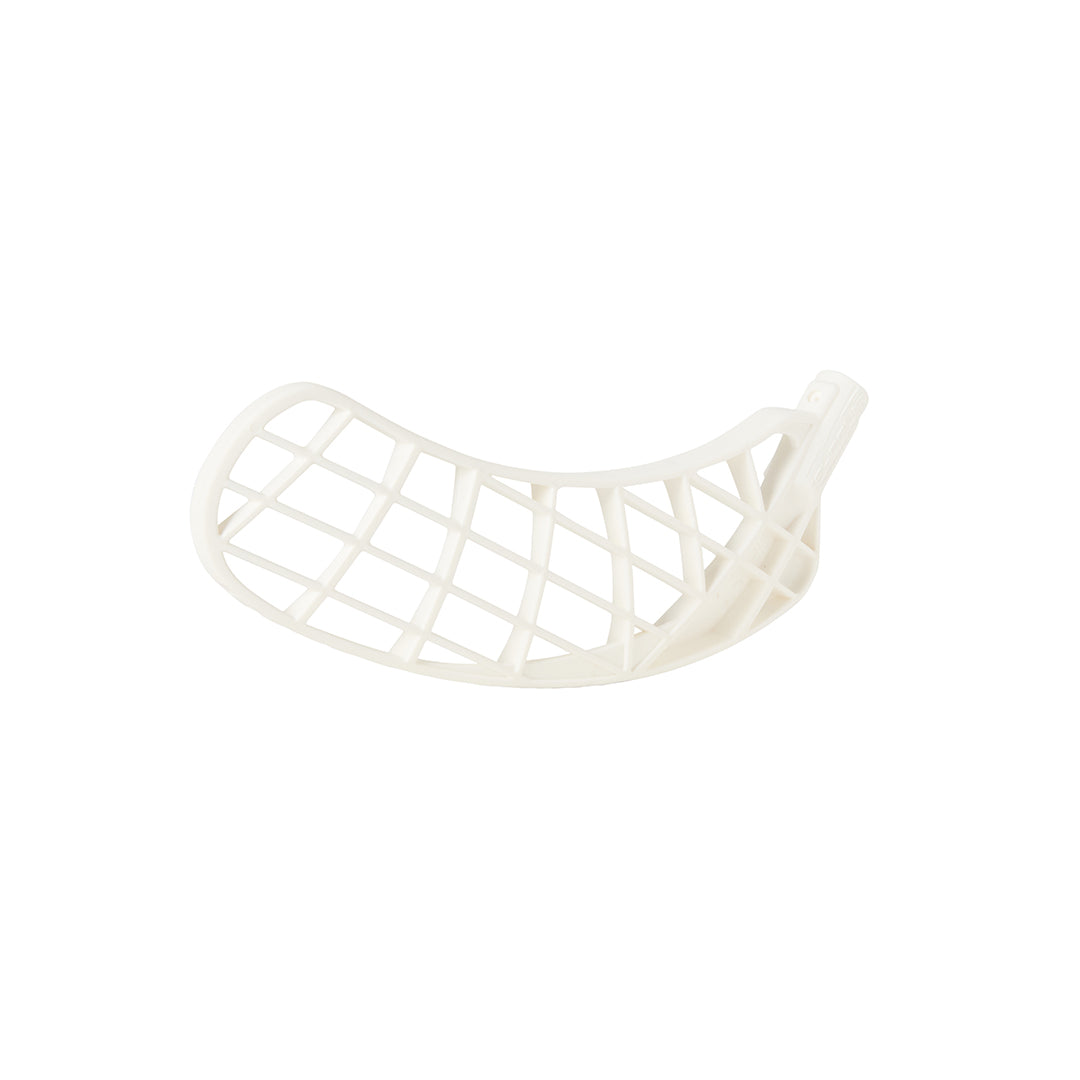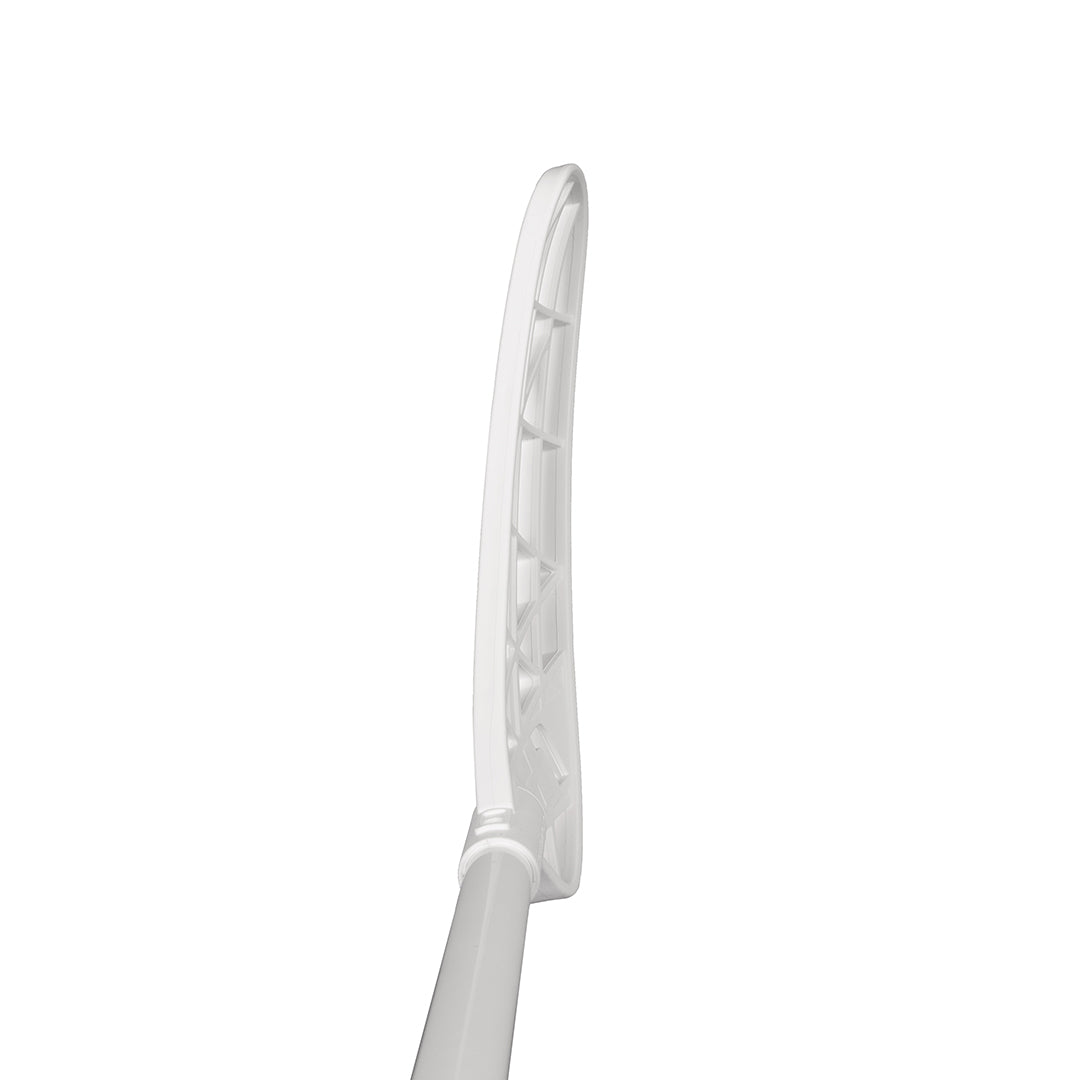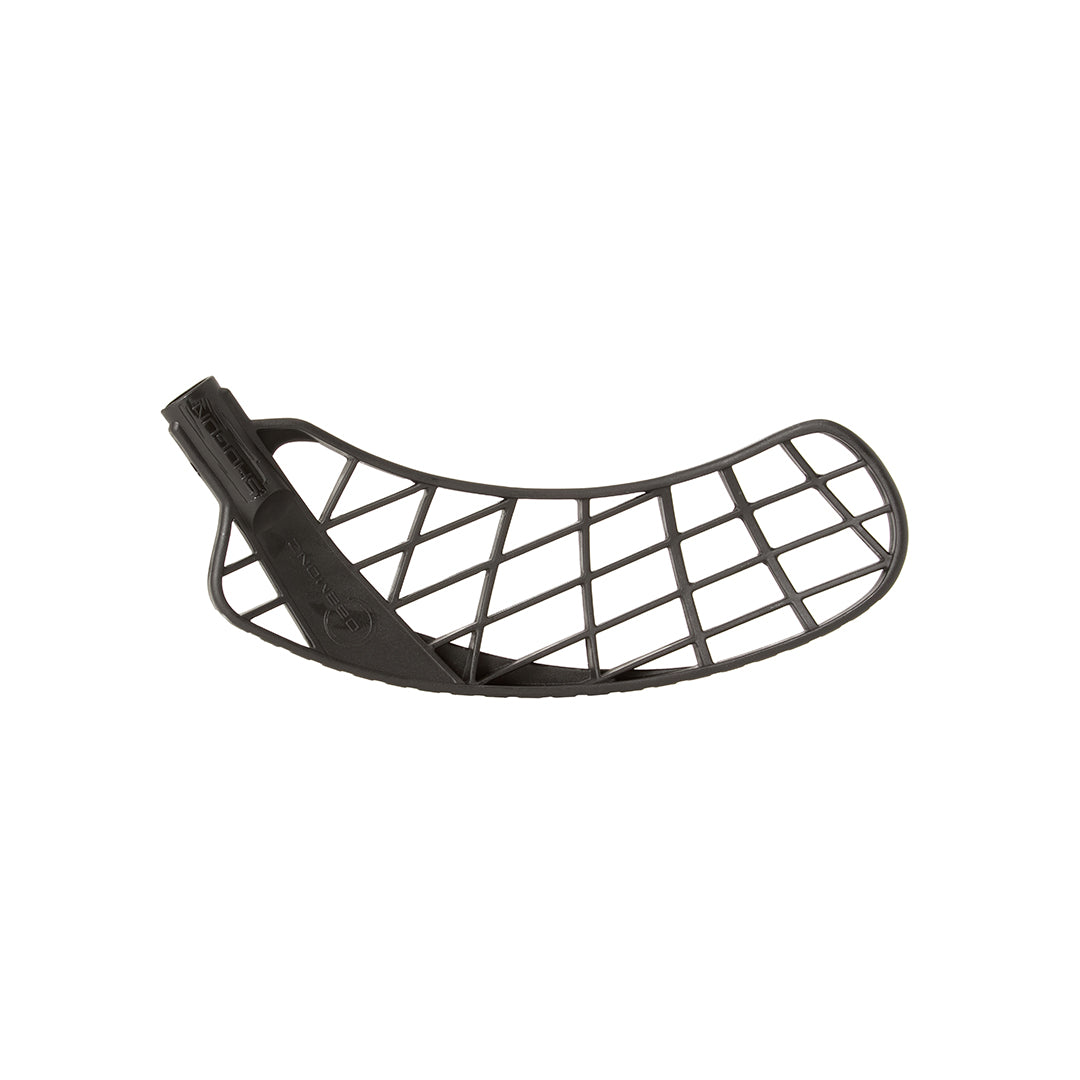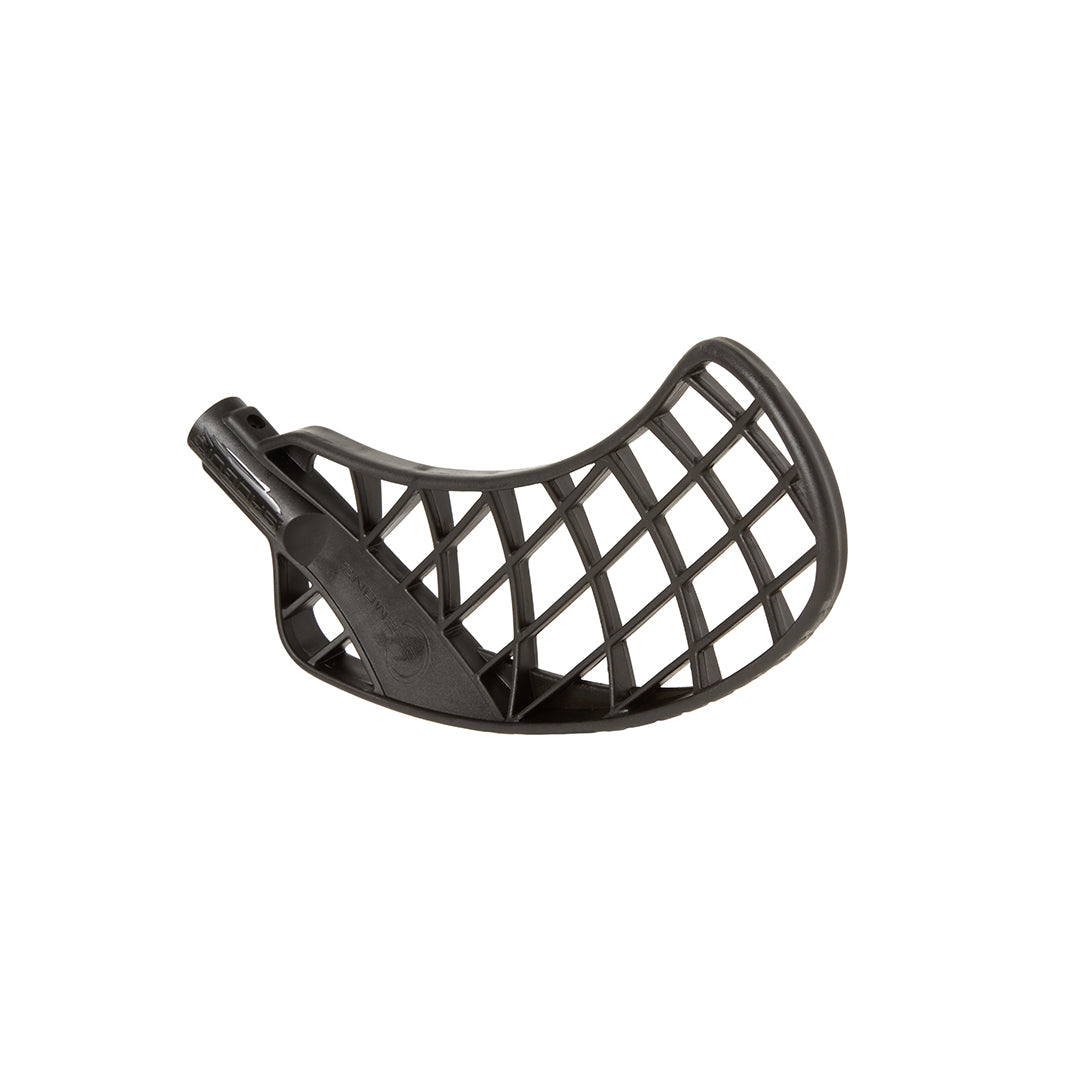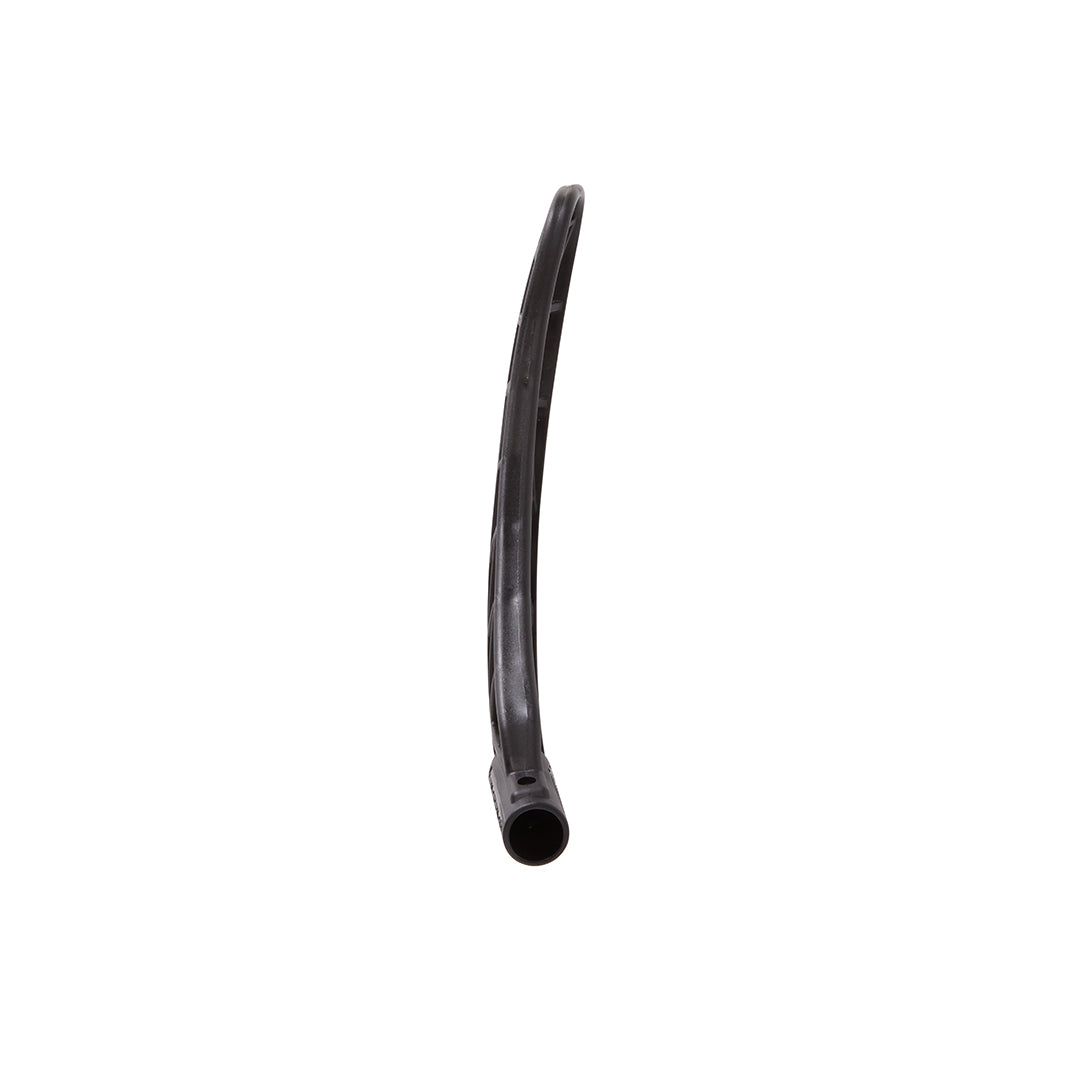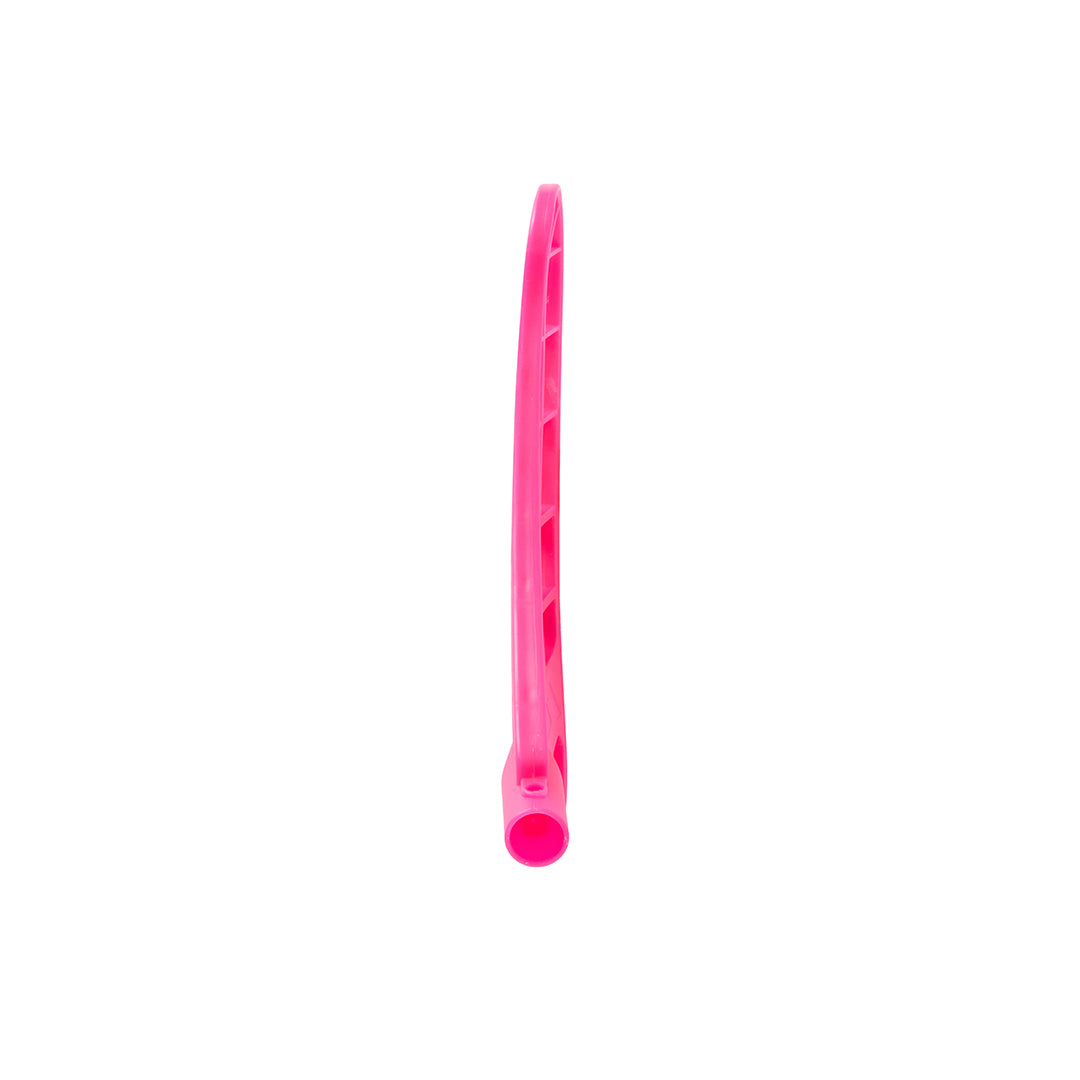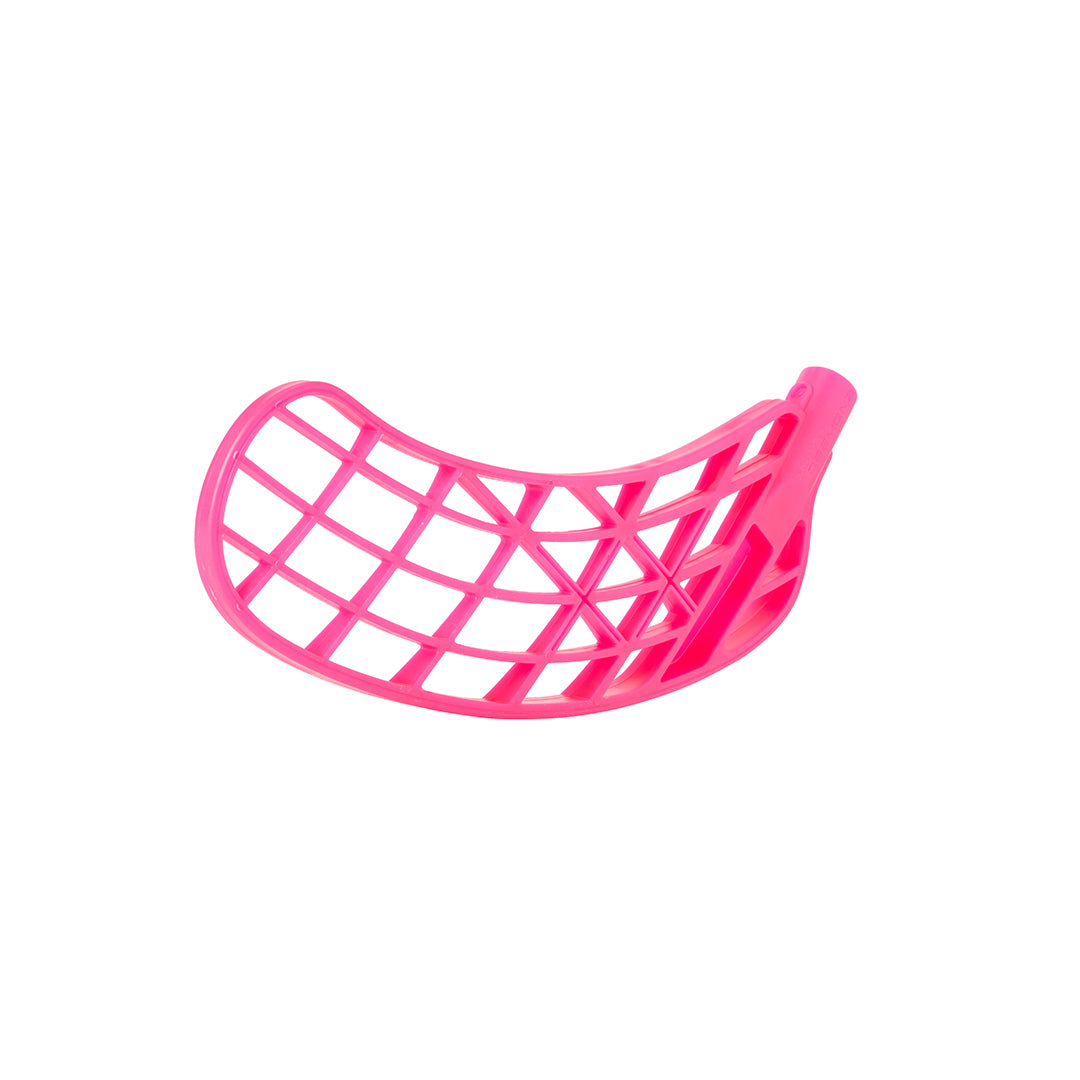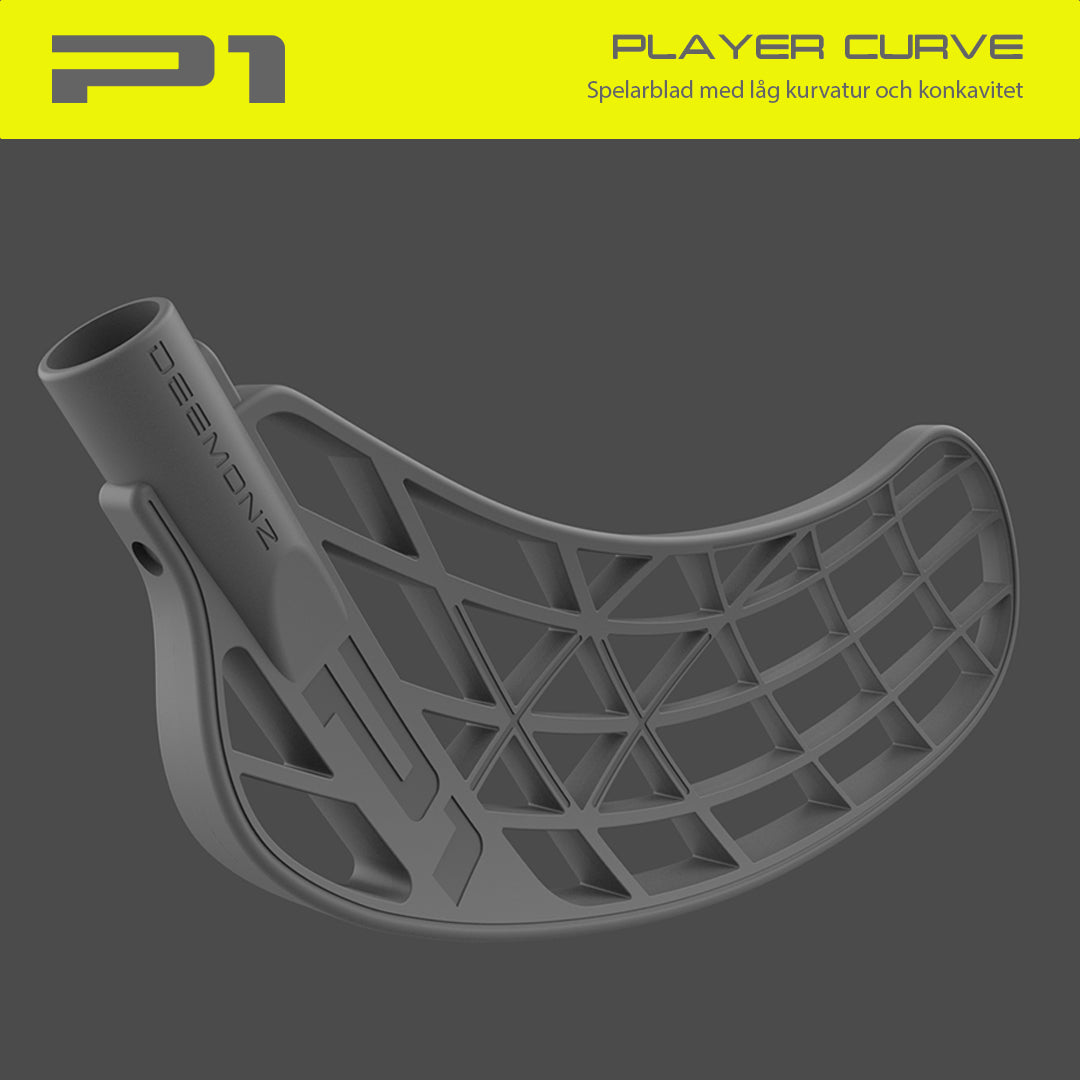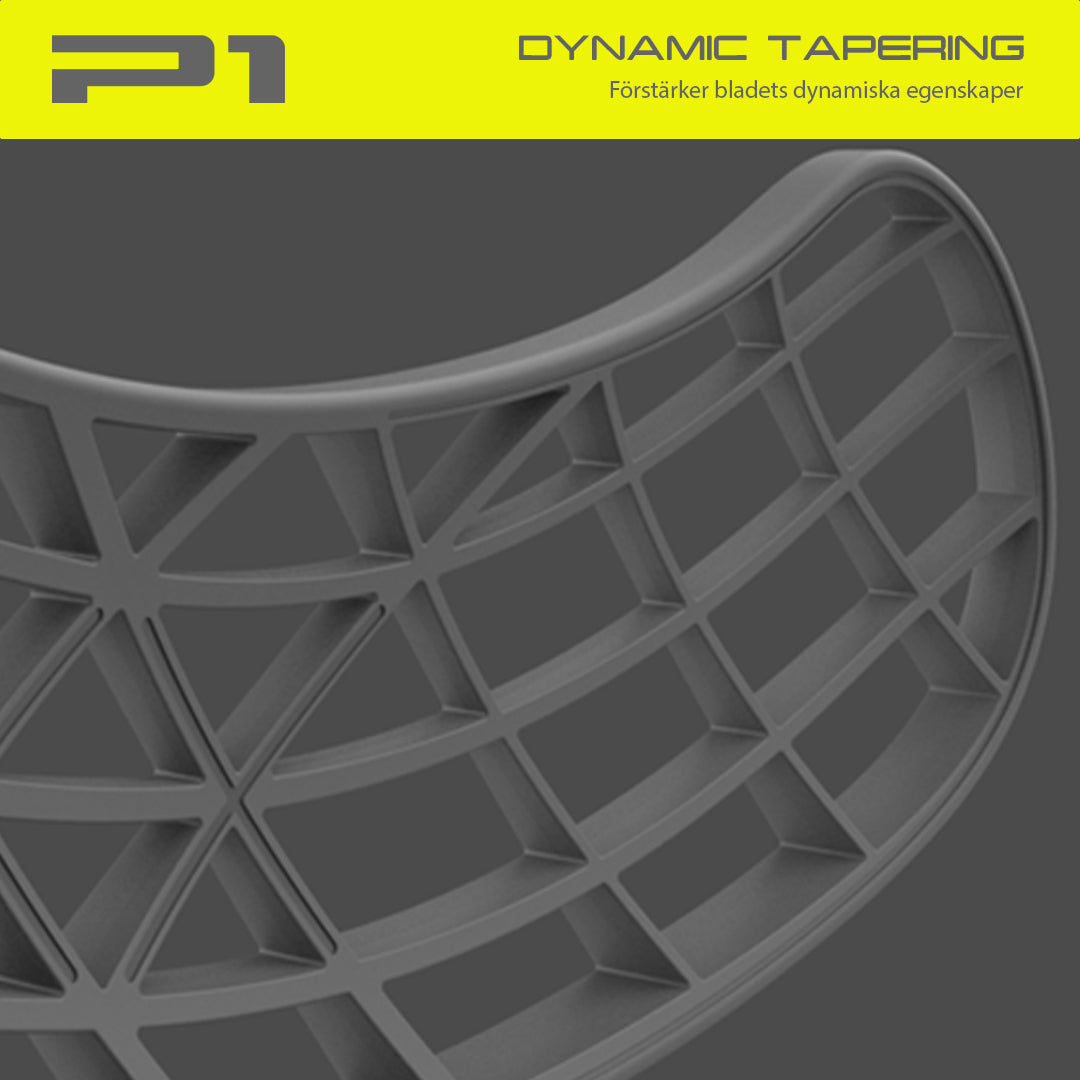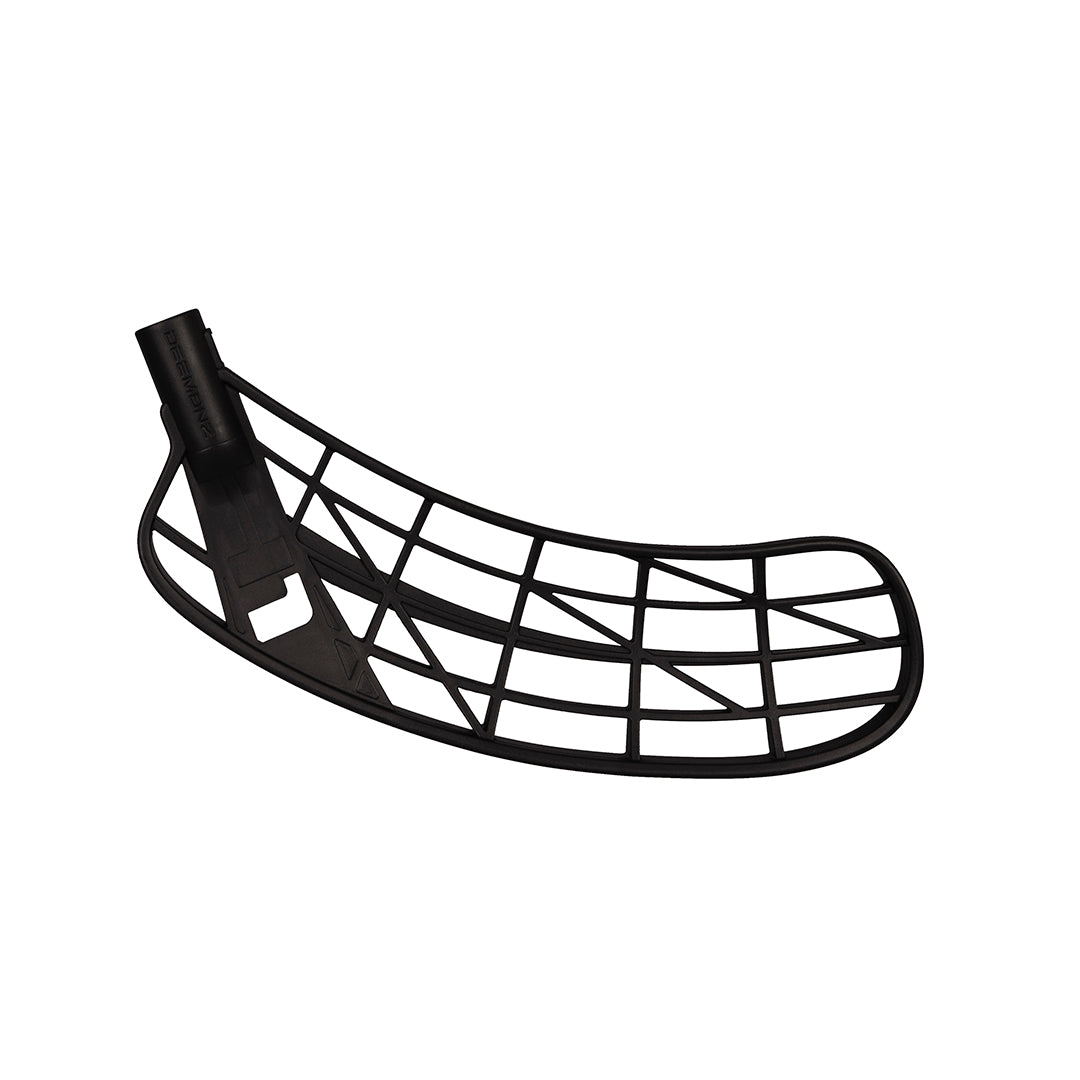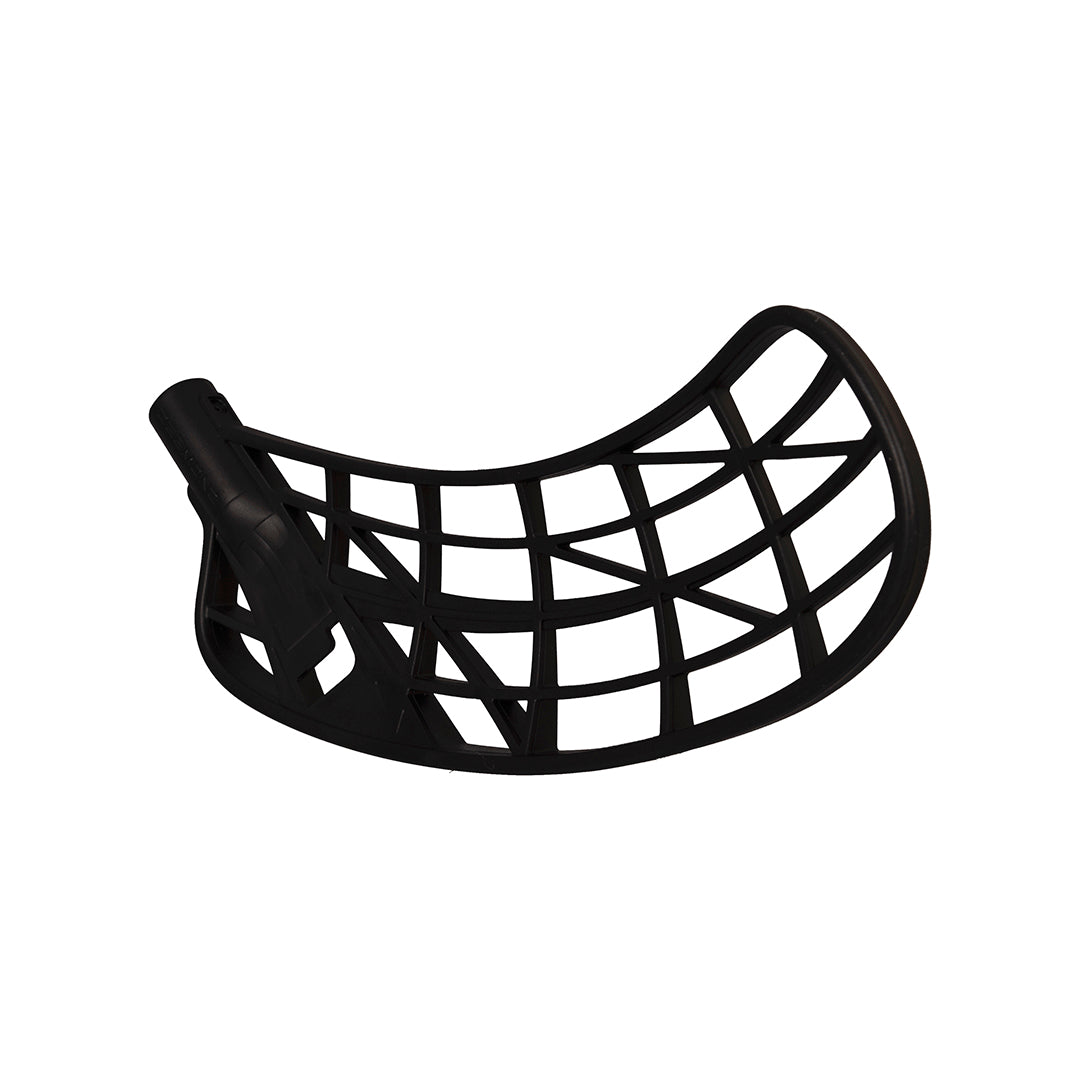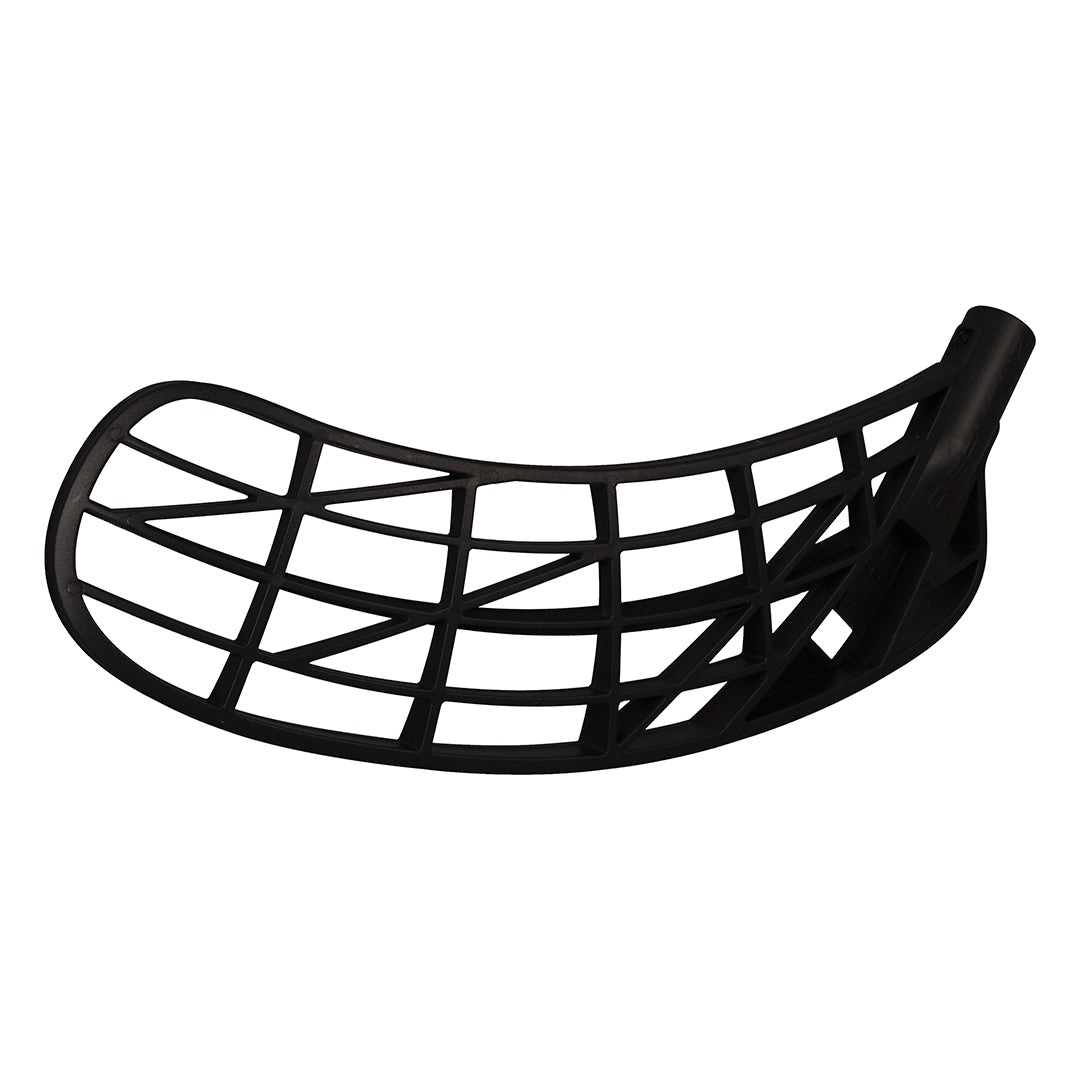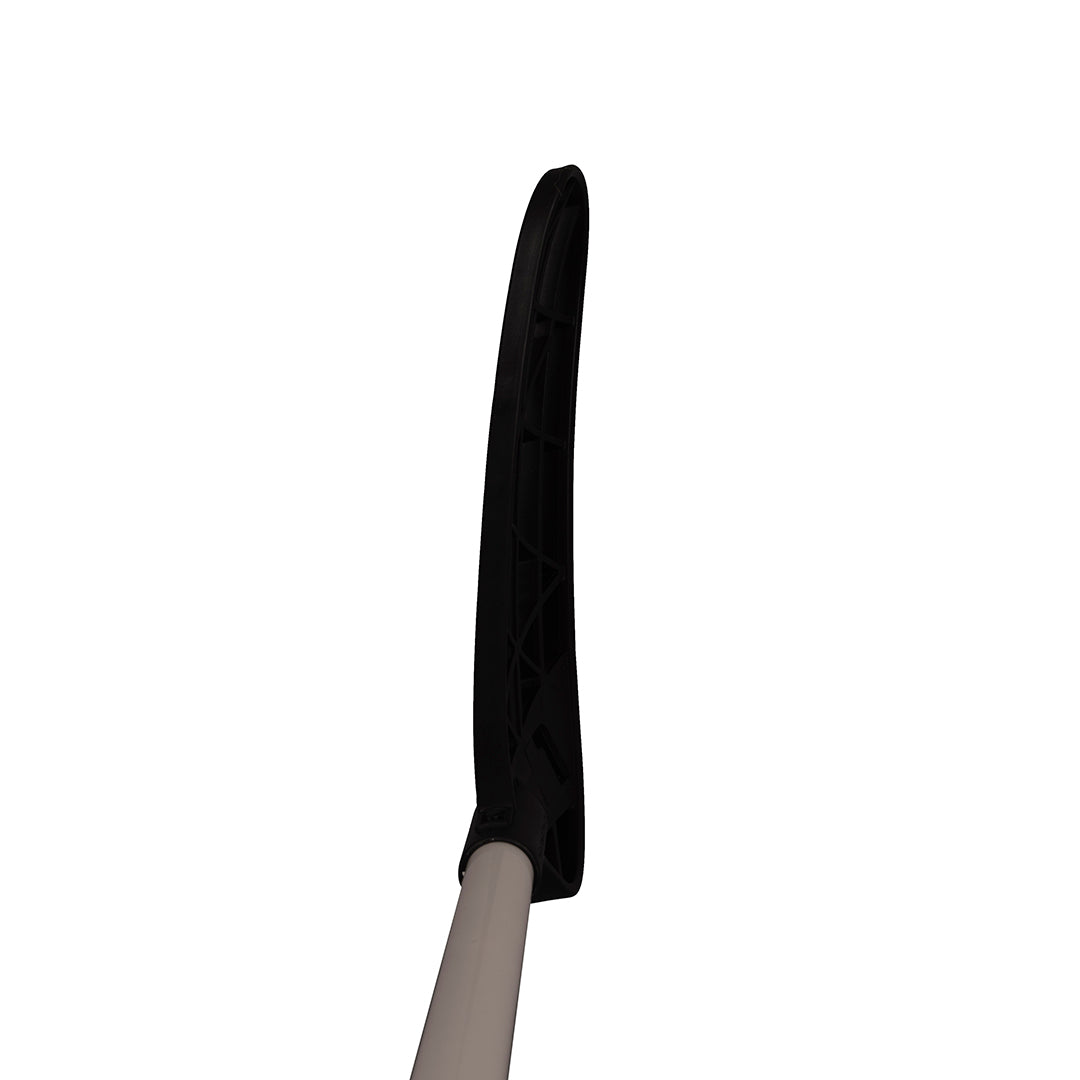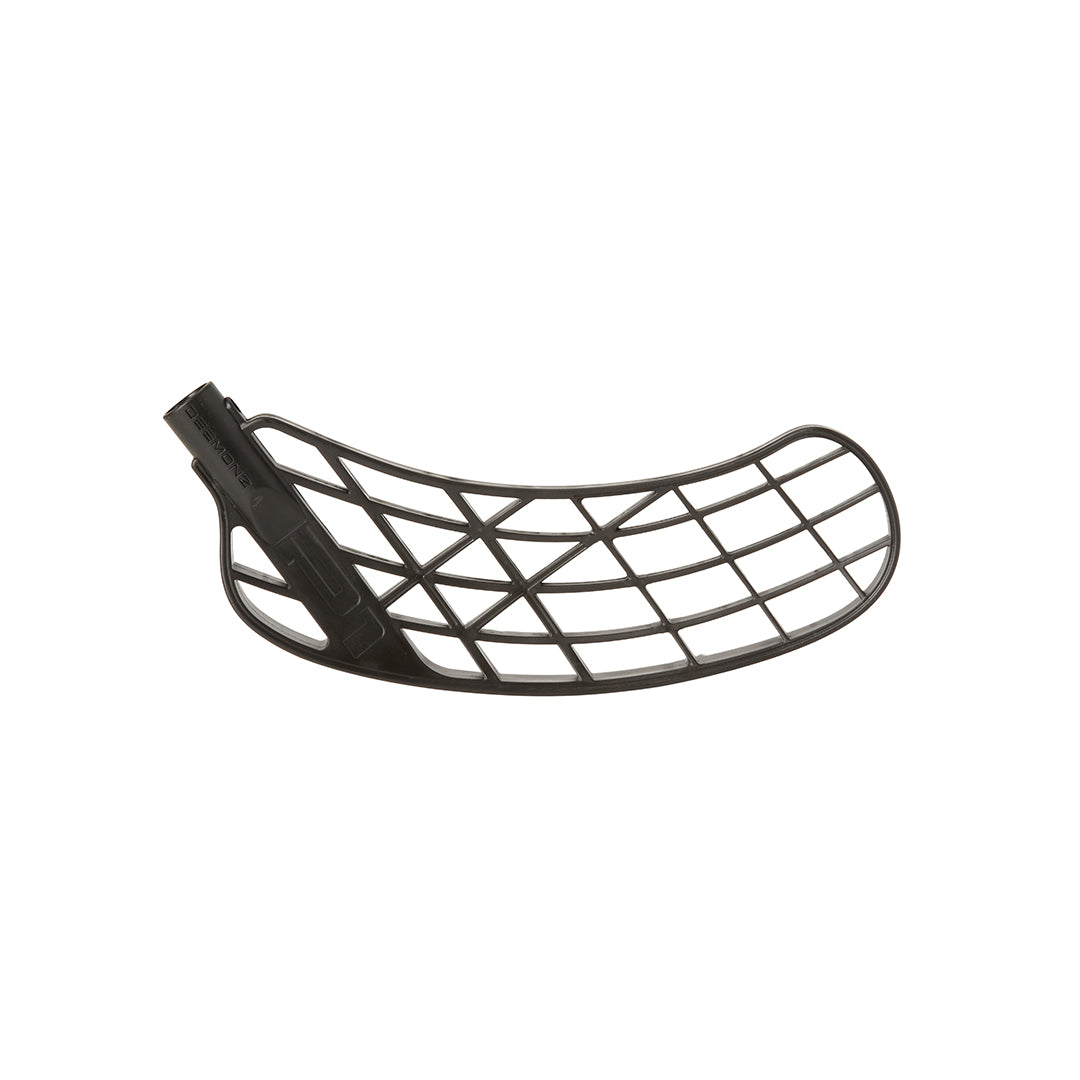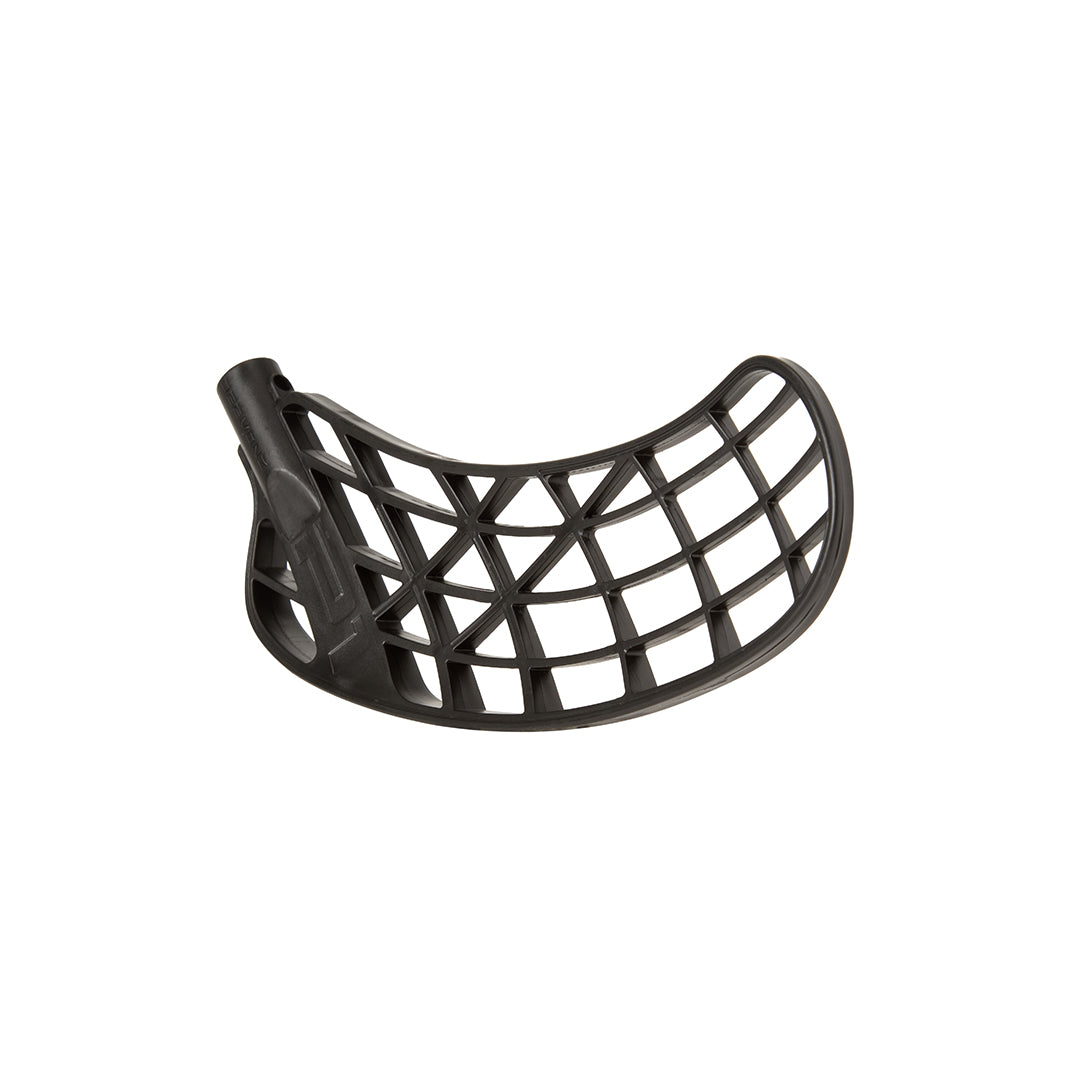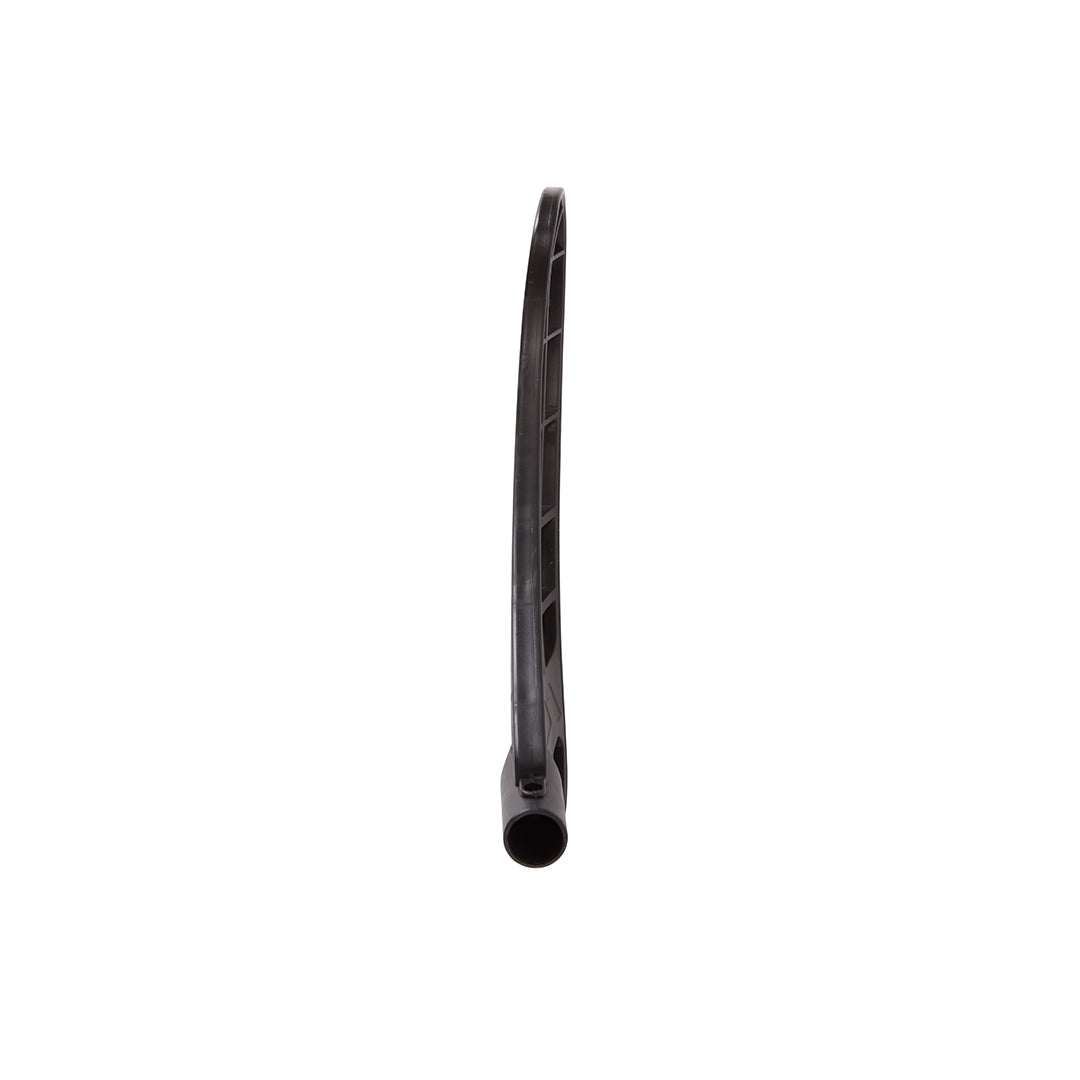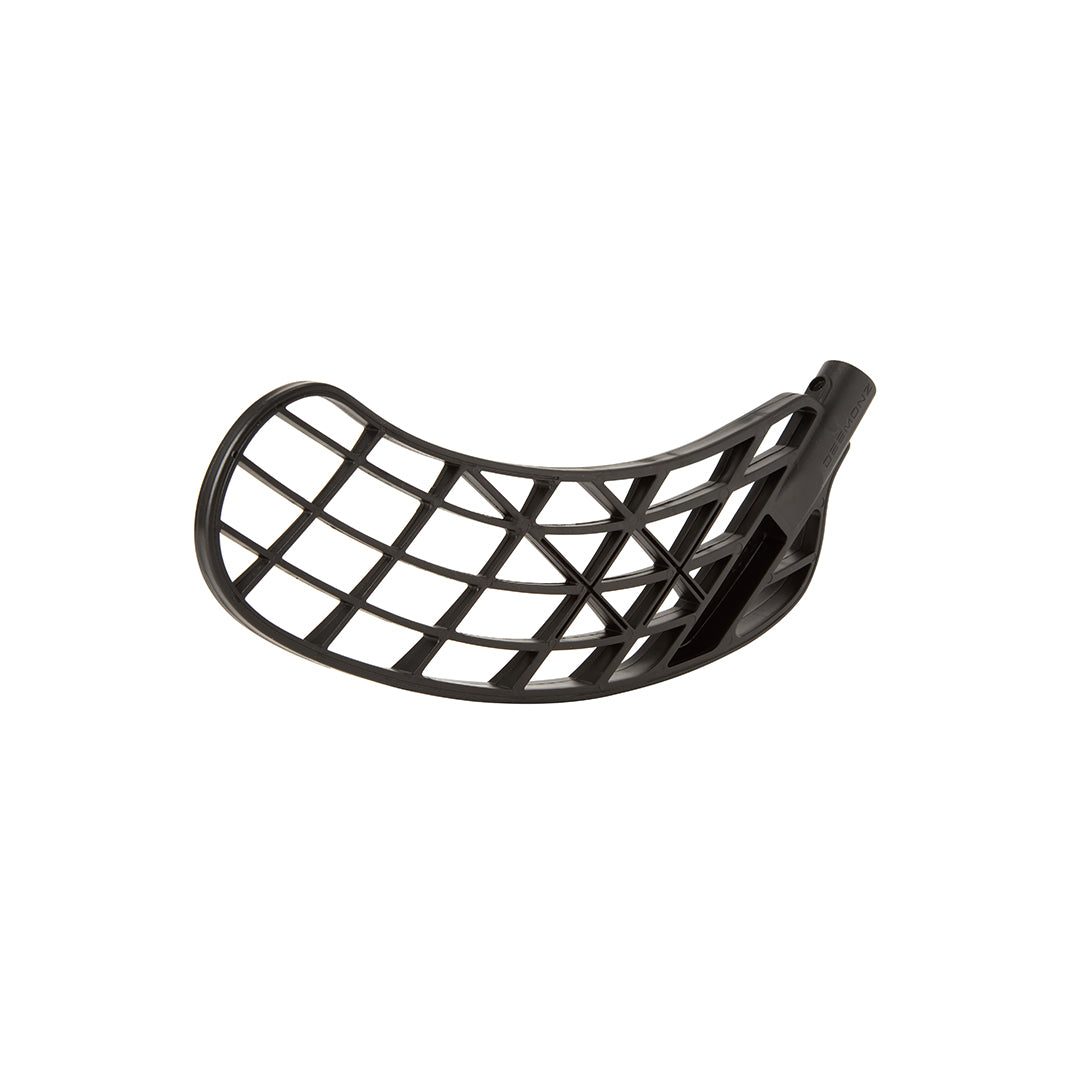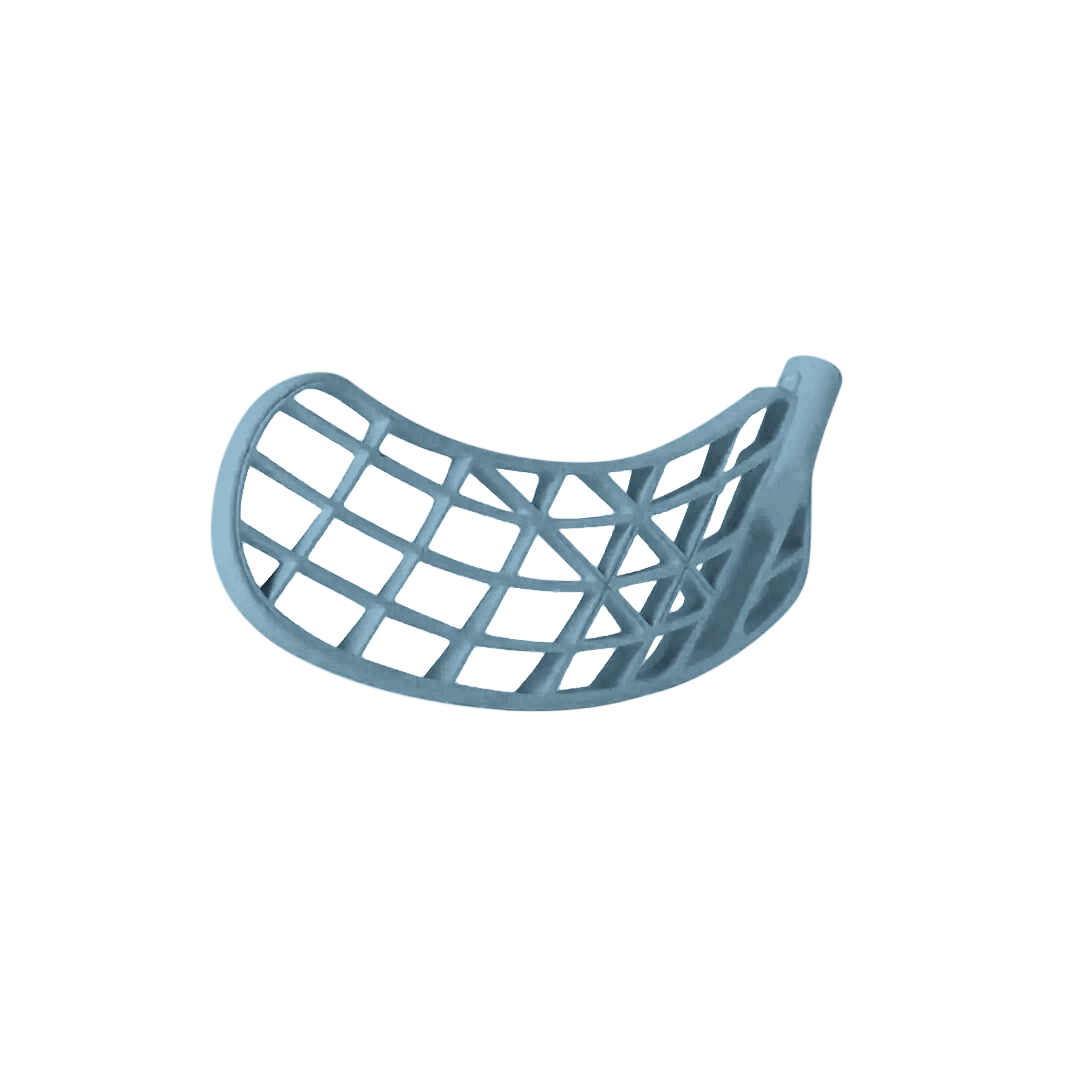

The right blade enhances feel and playability
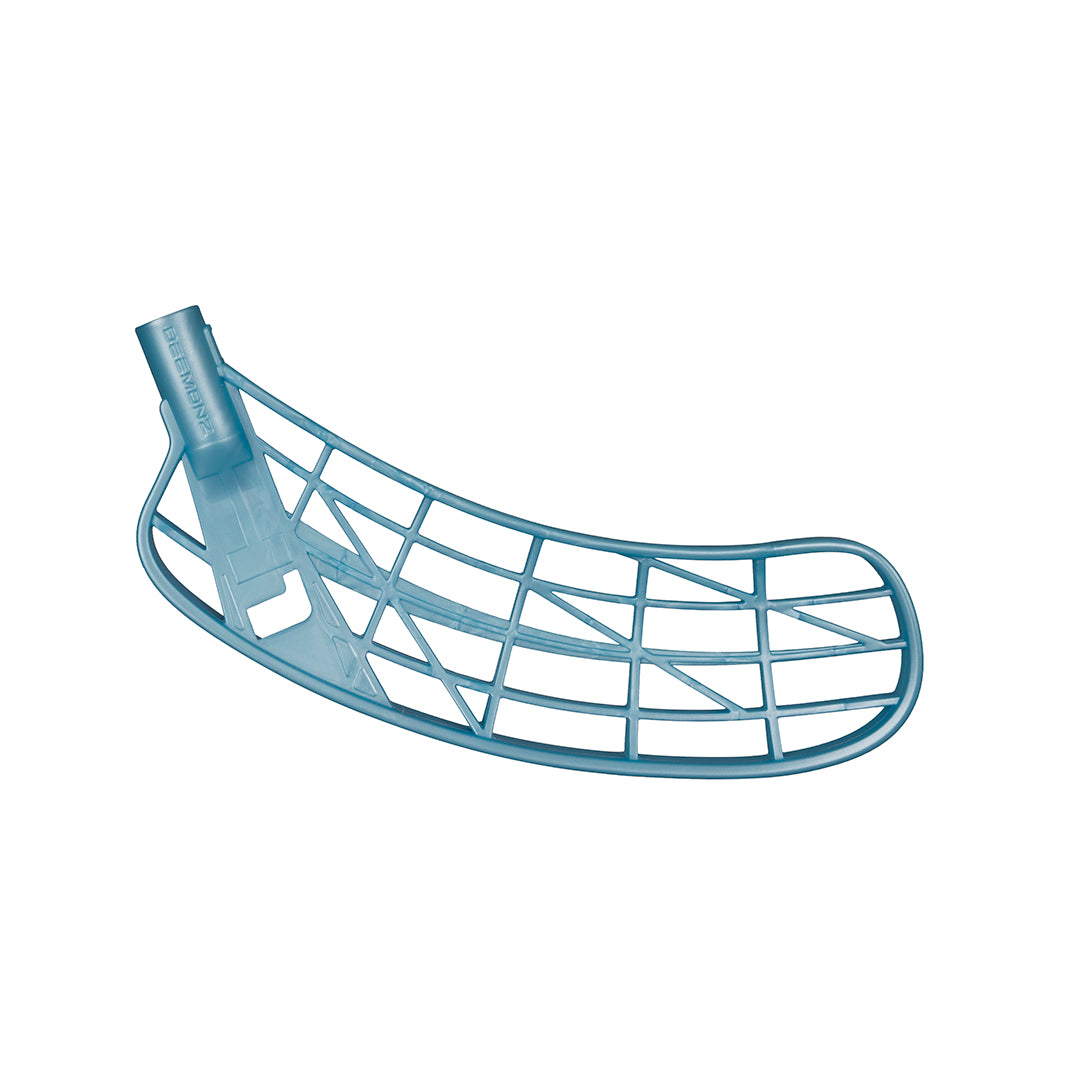
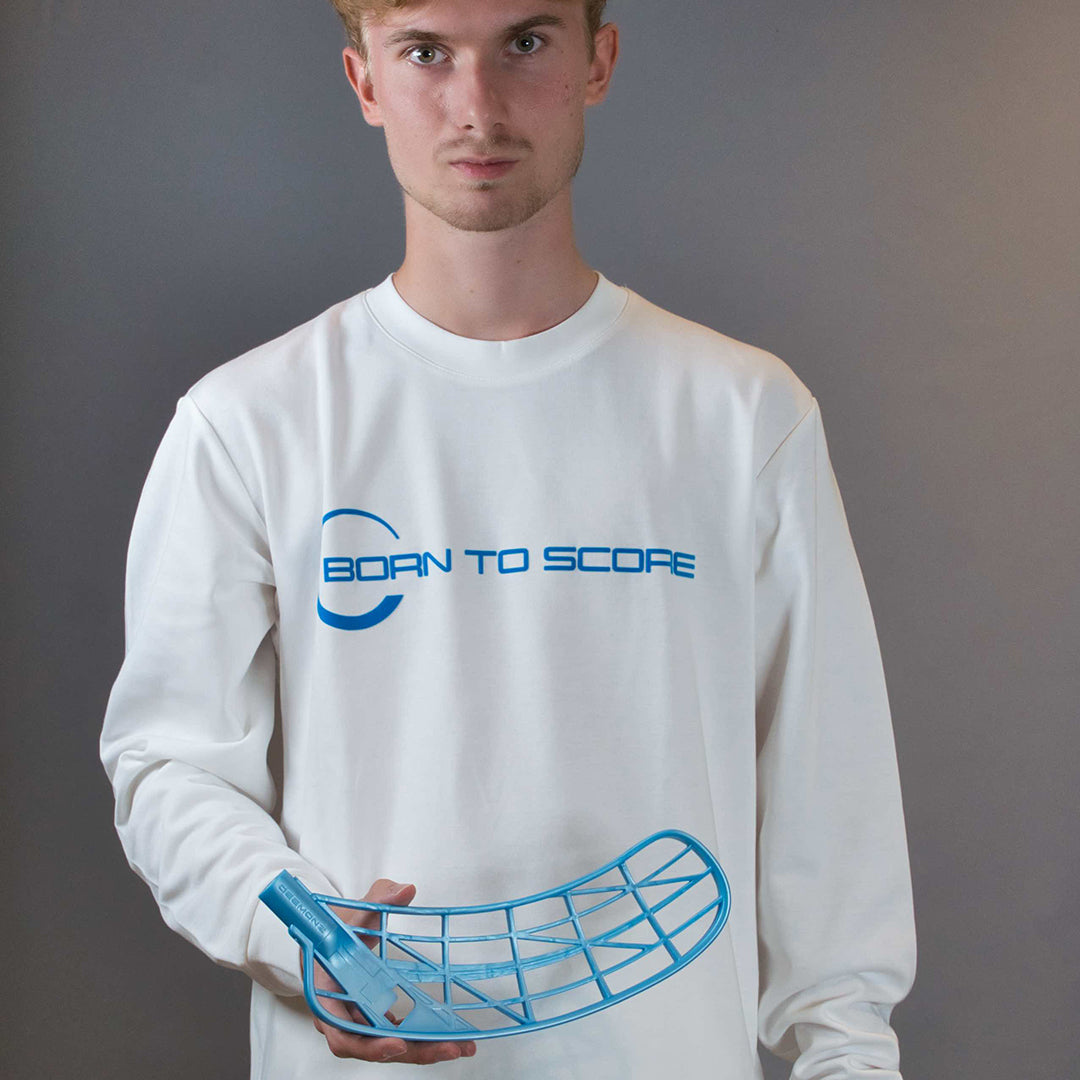
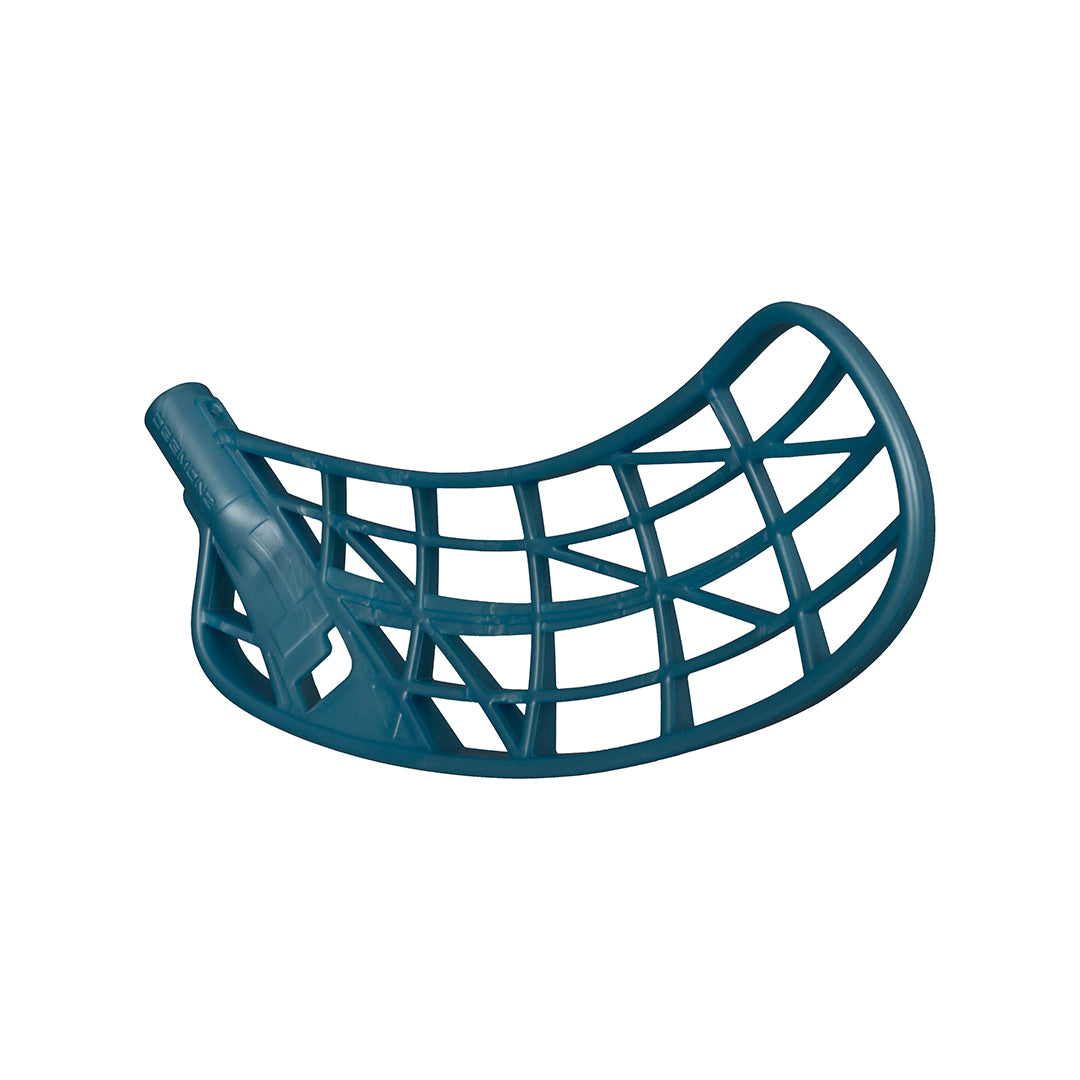
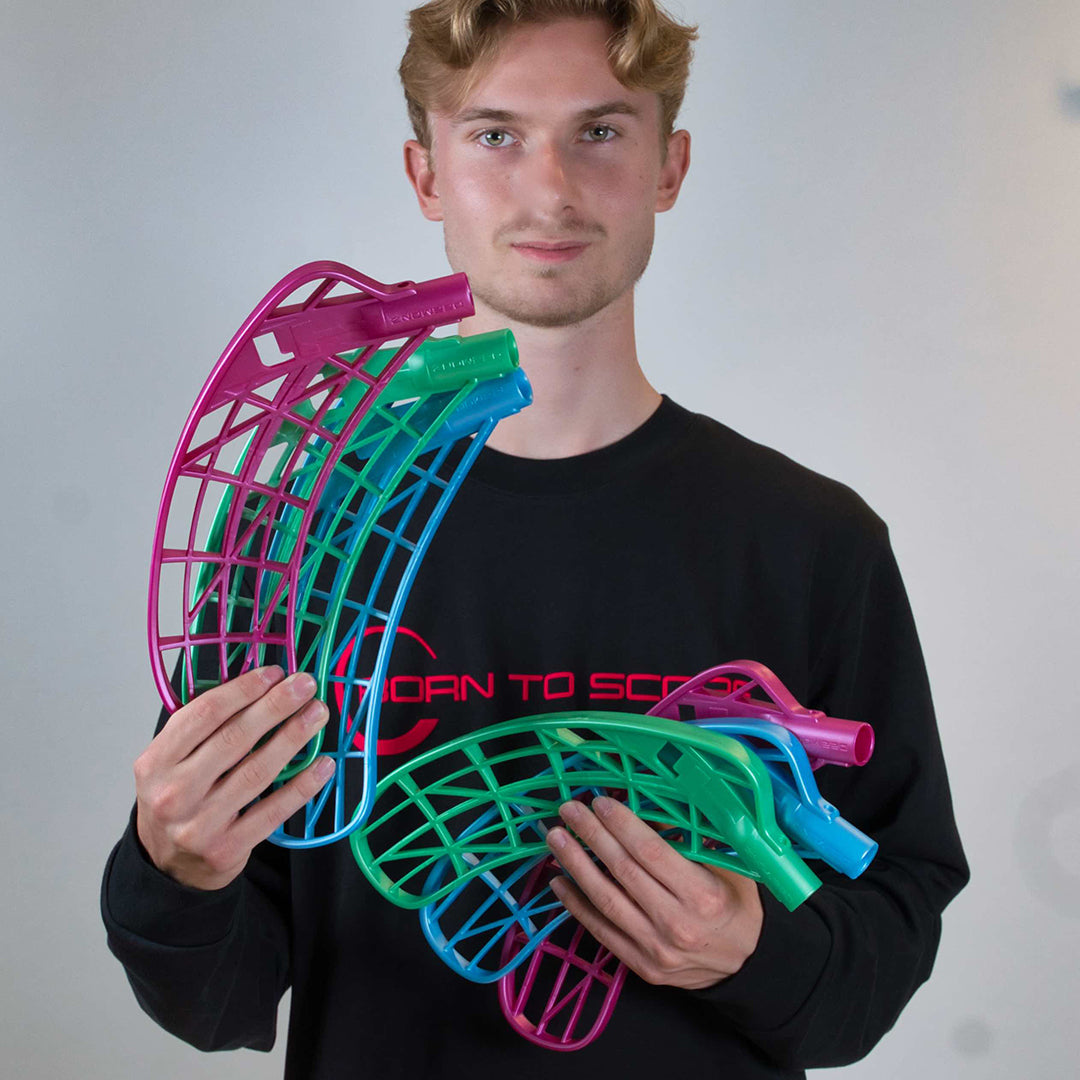
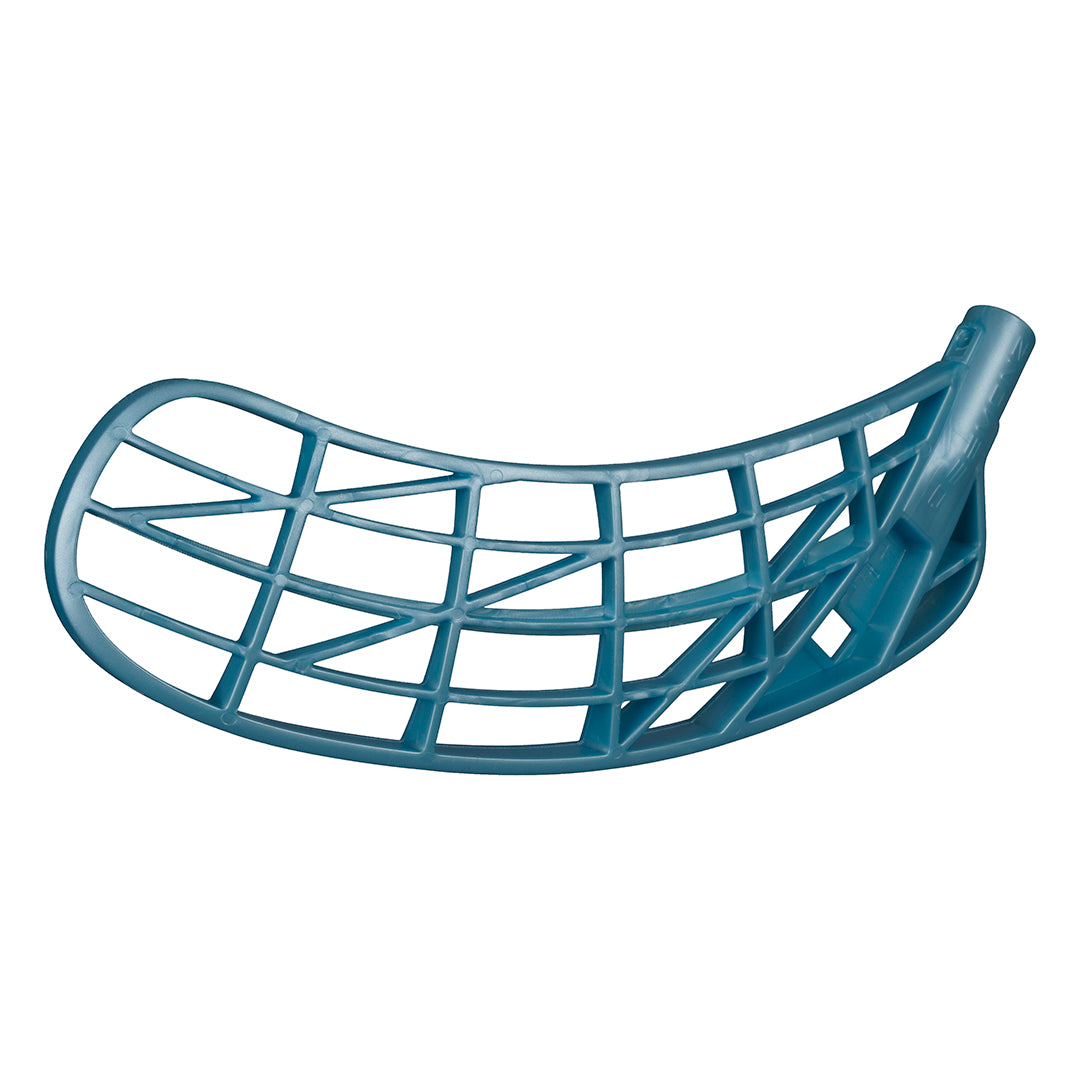
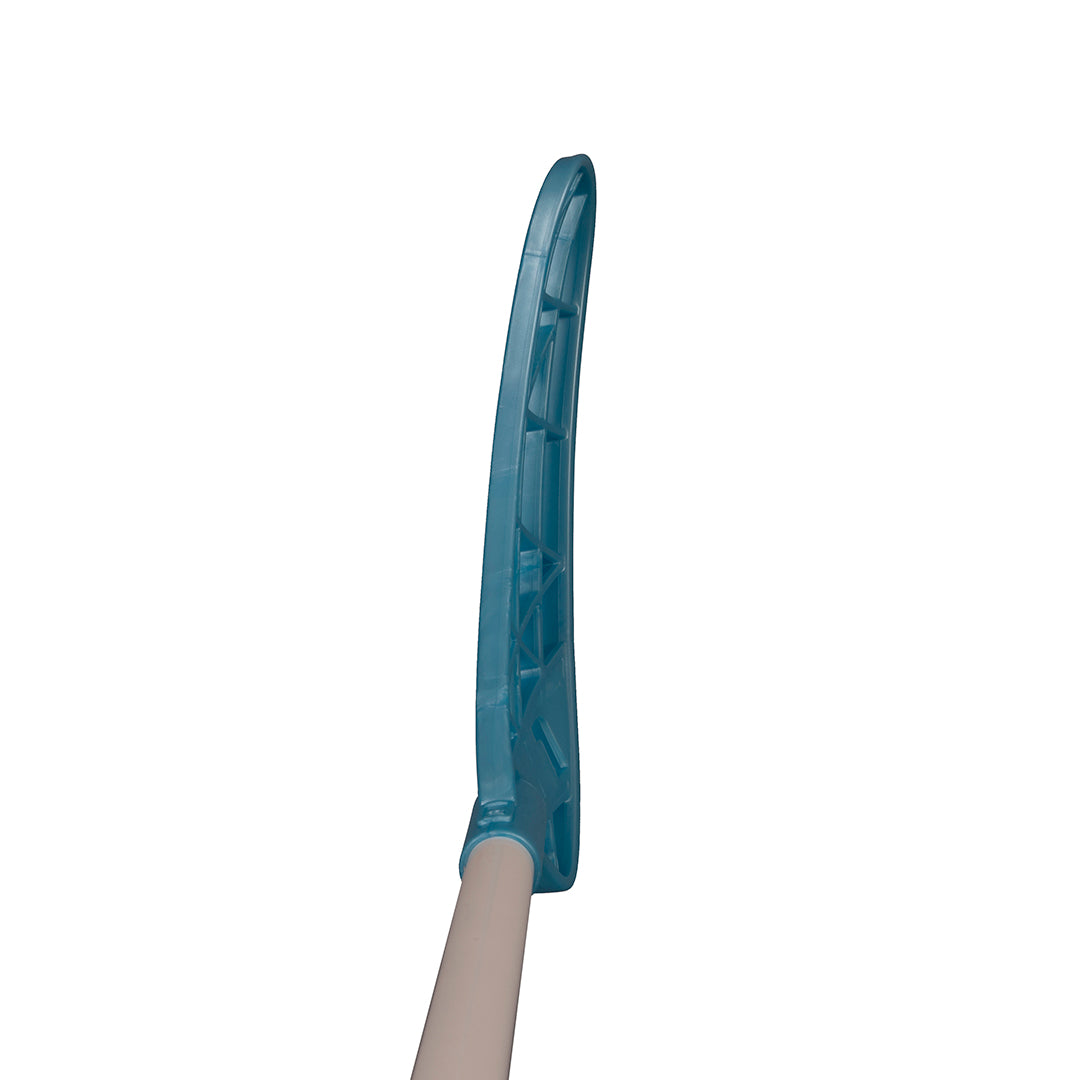
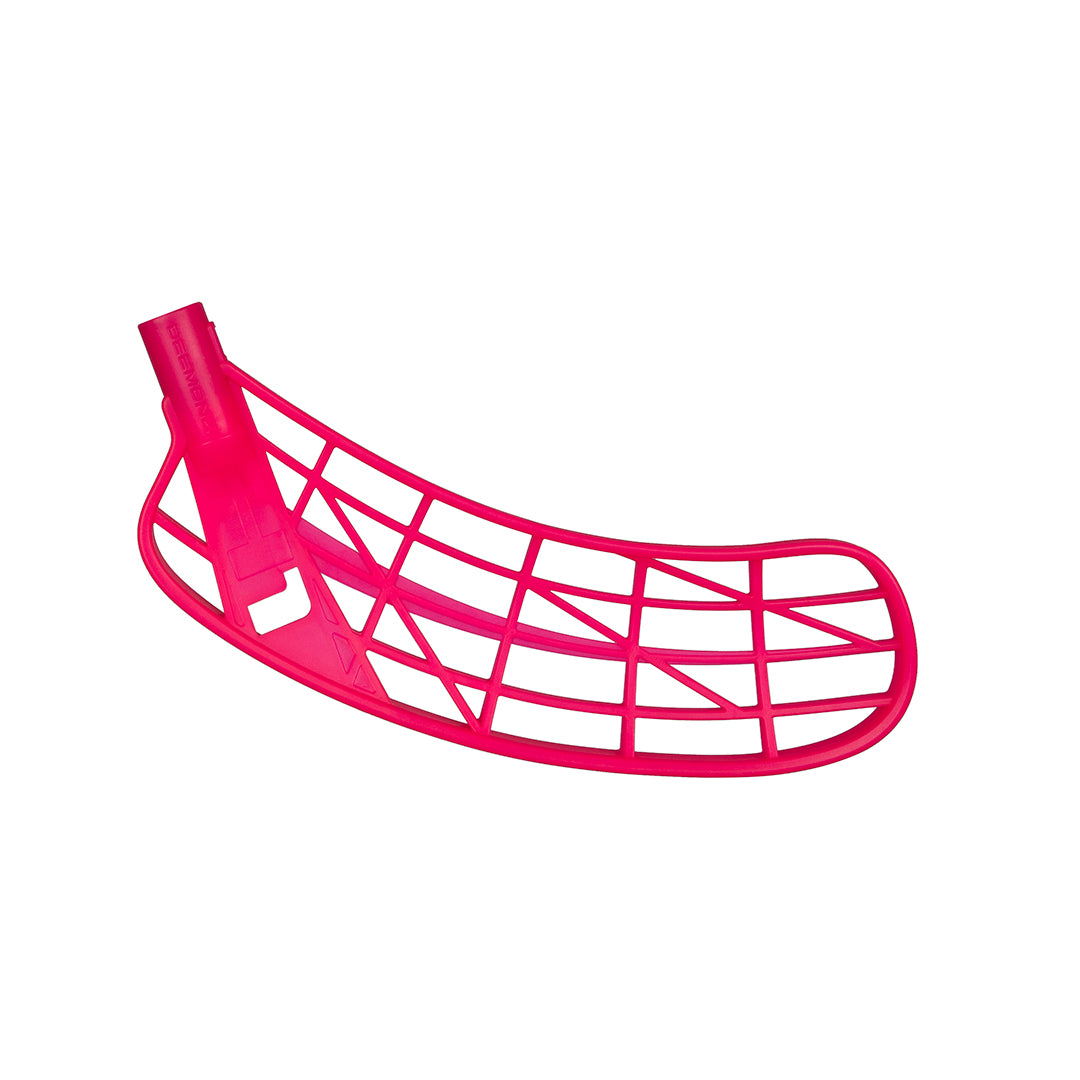
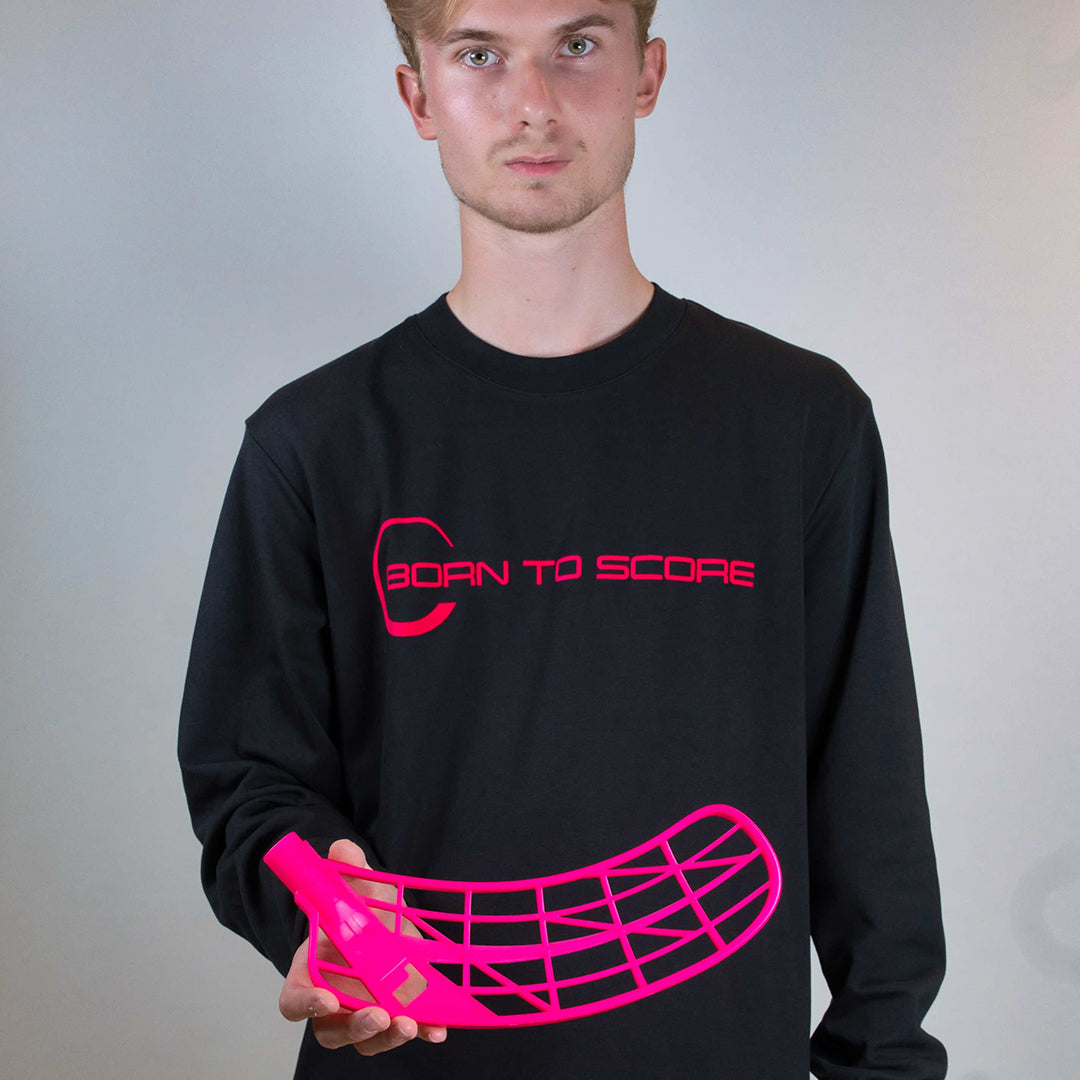
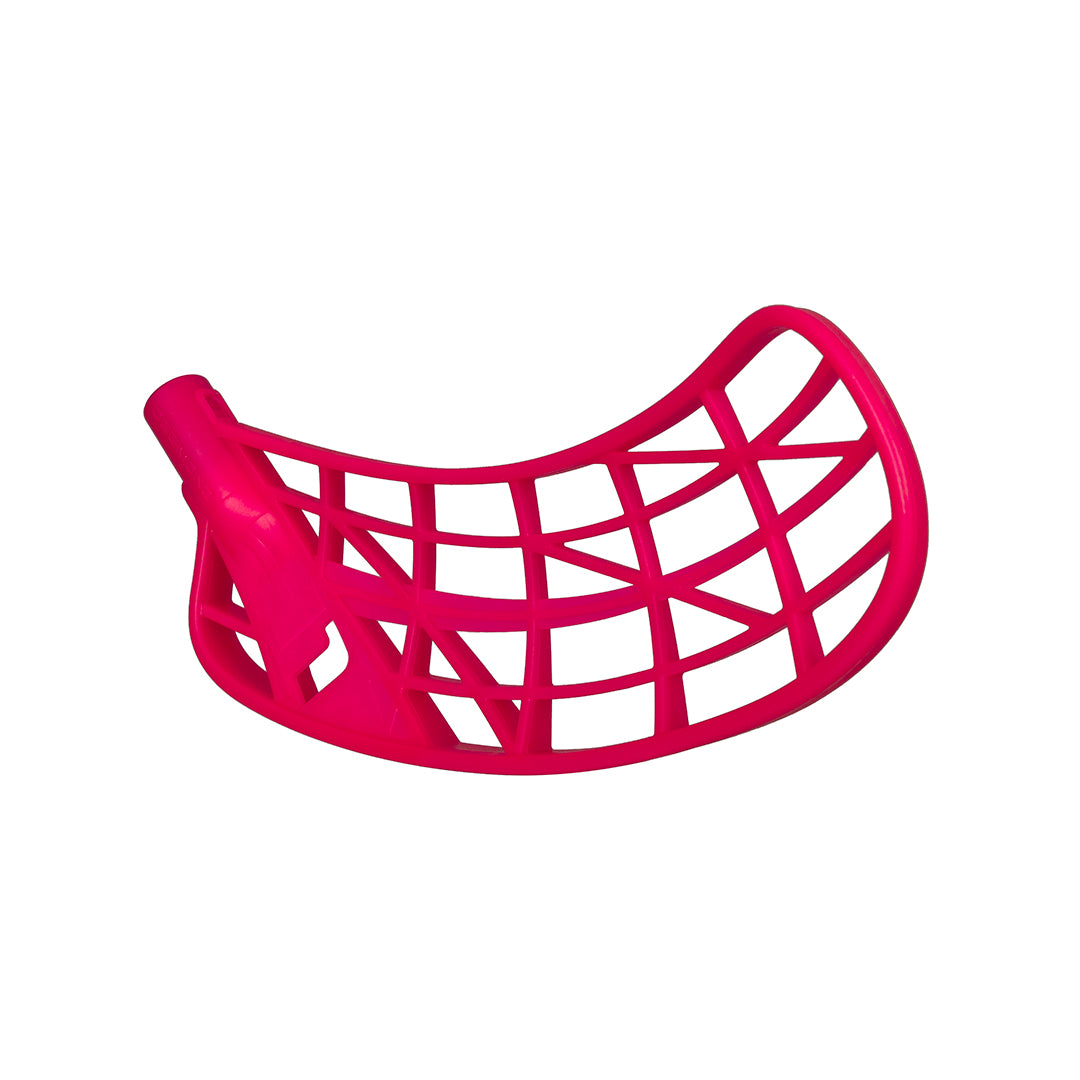
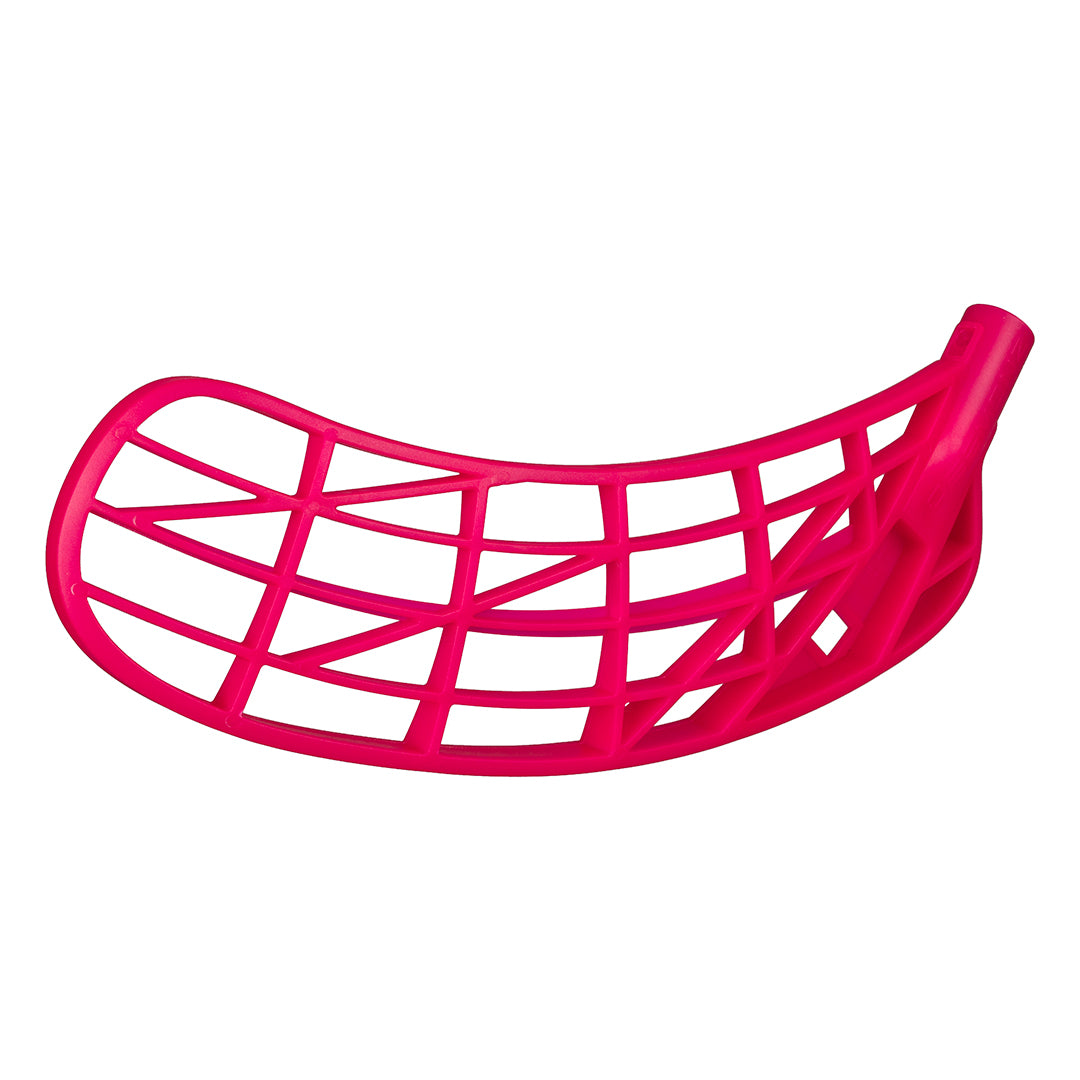
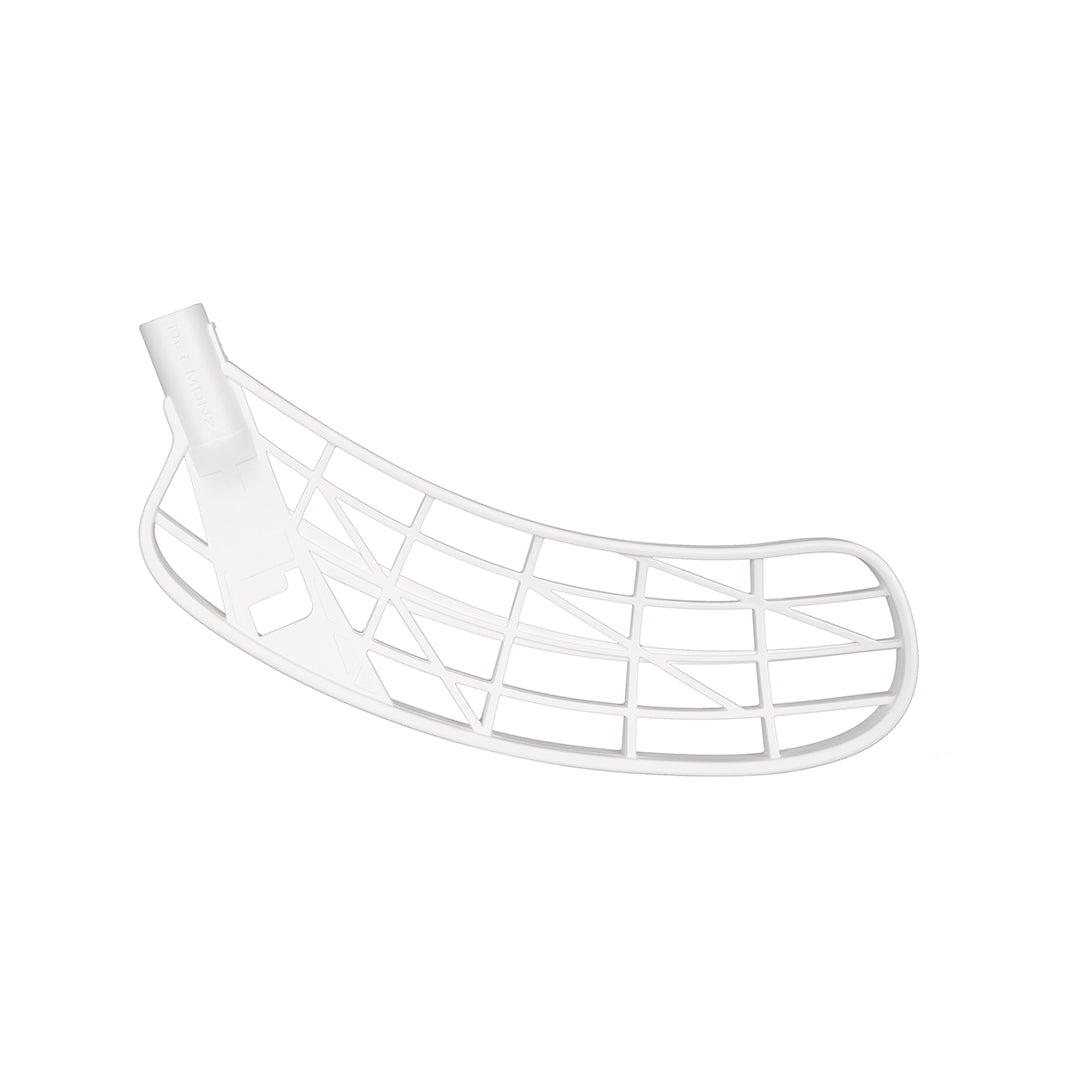
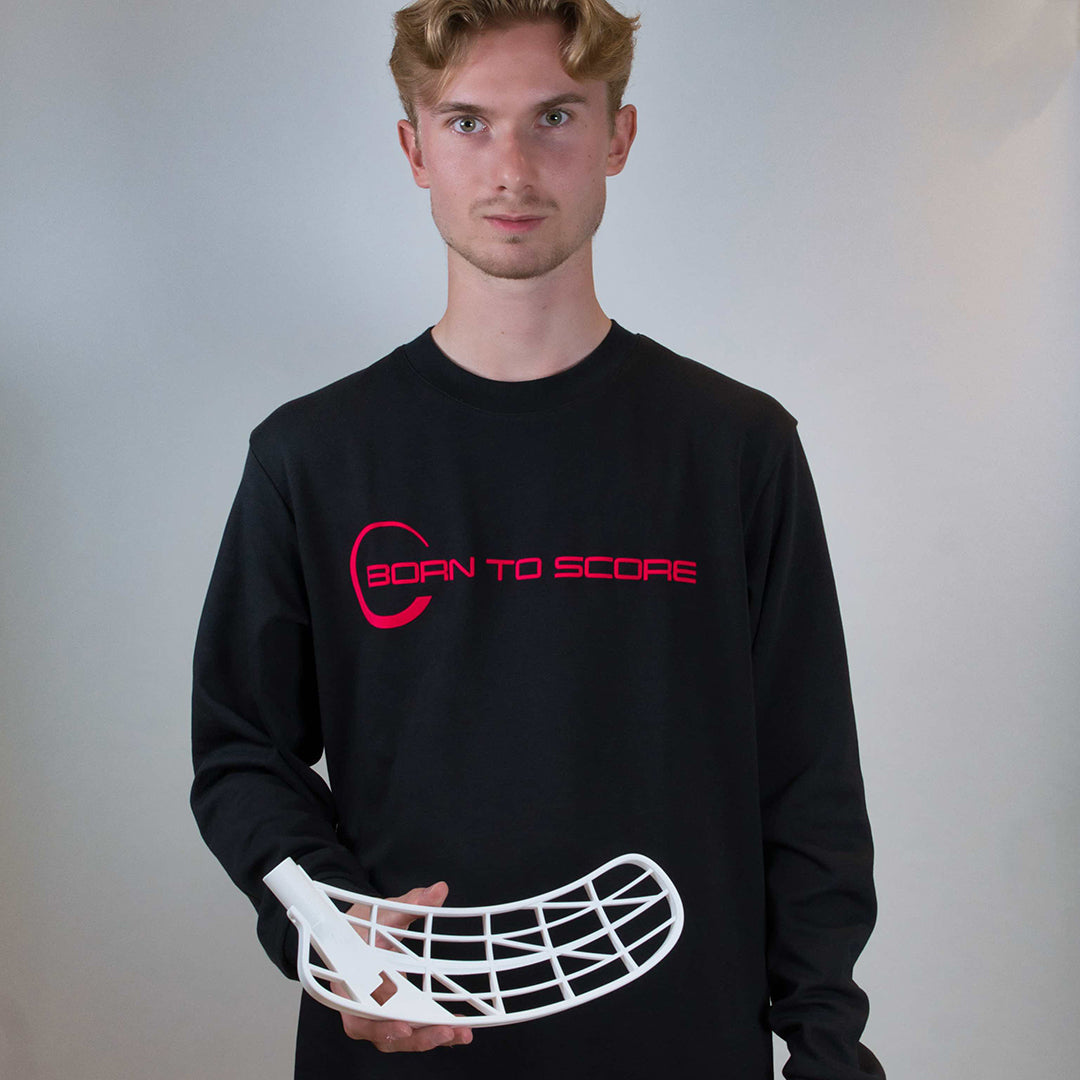
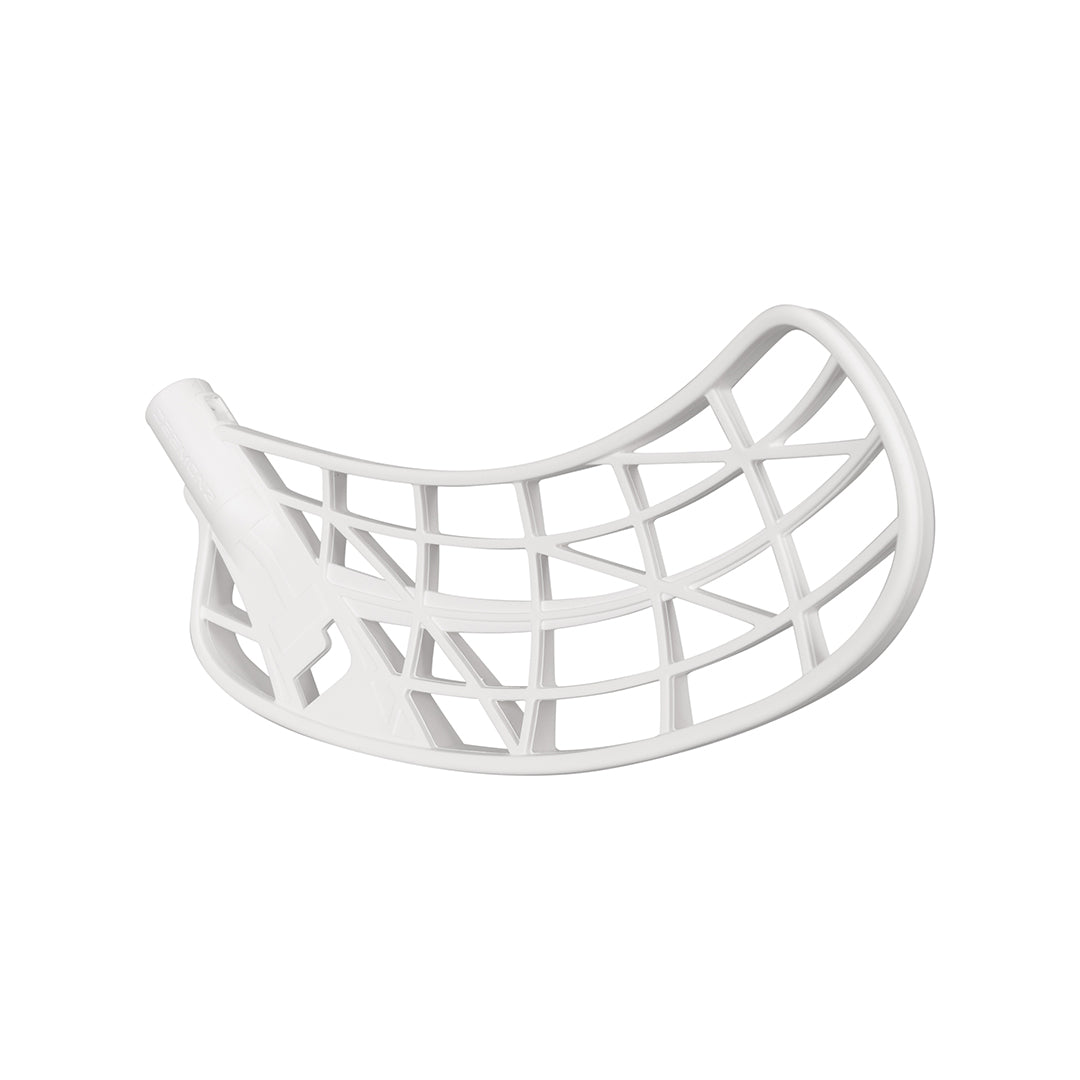
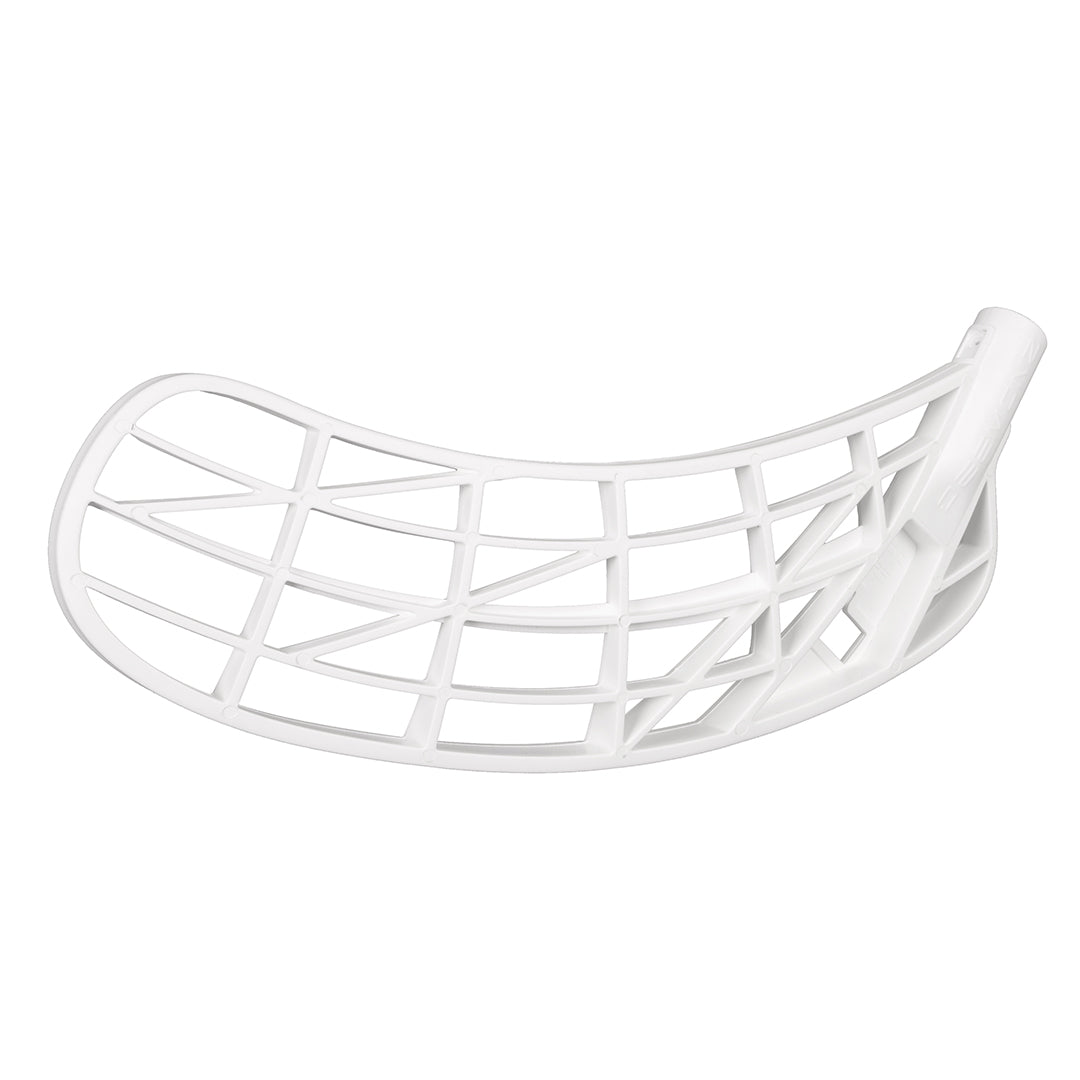
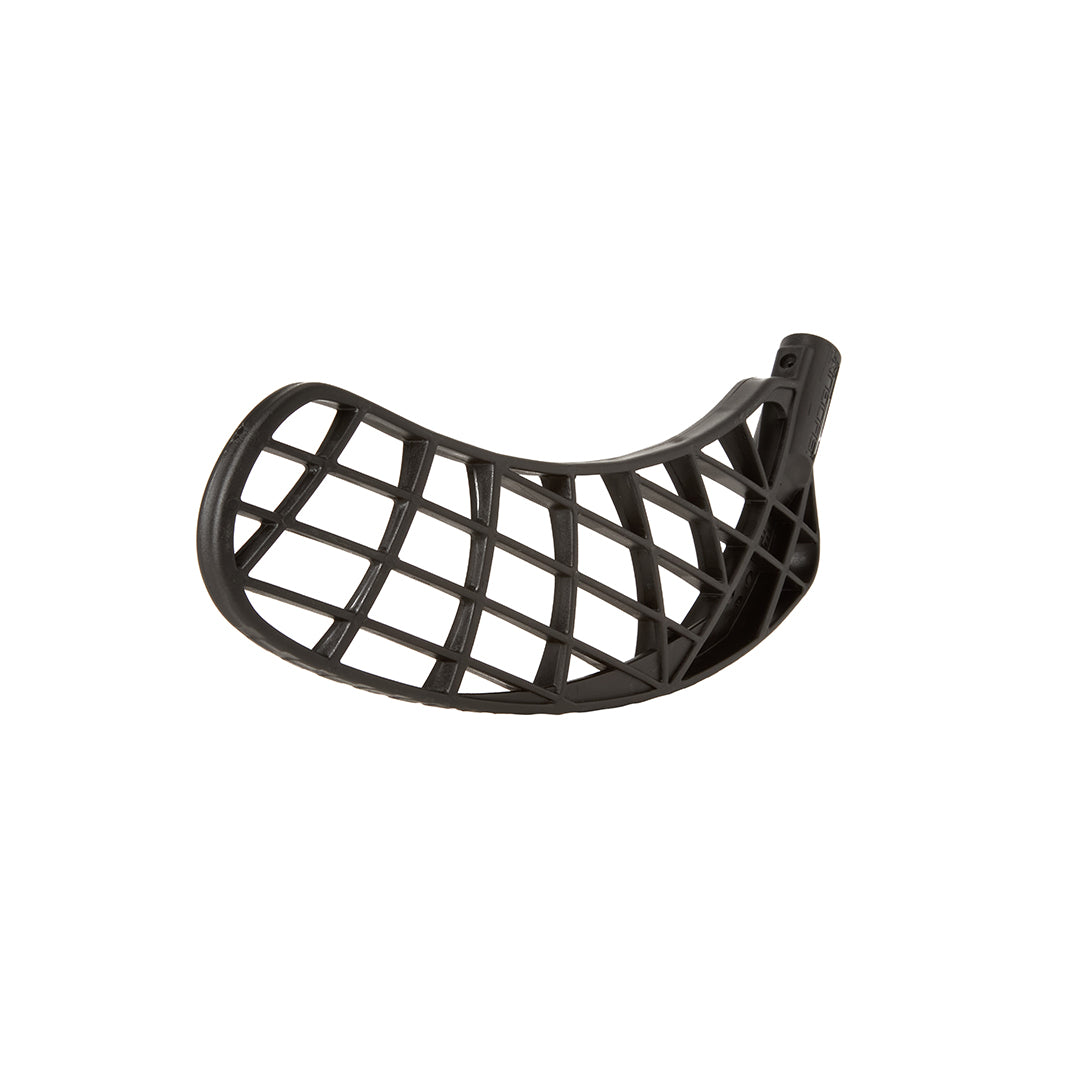
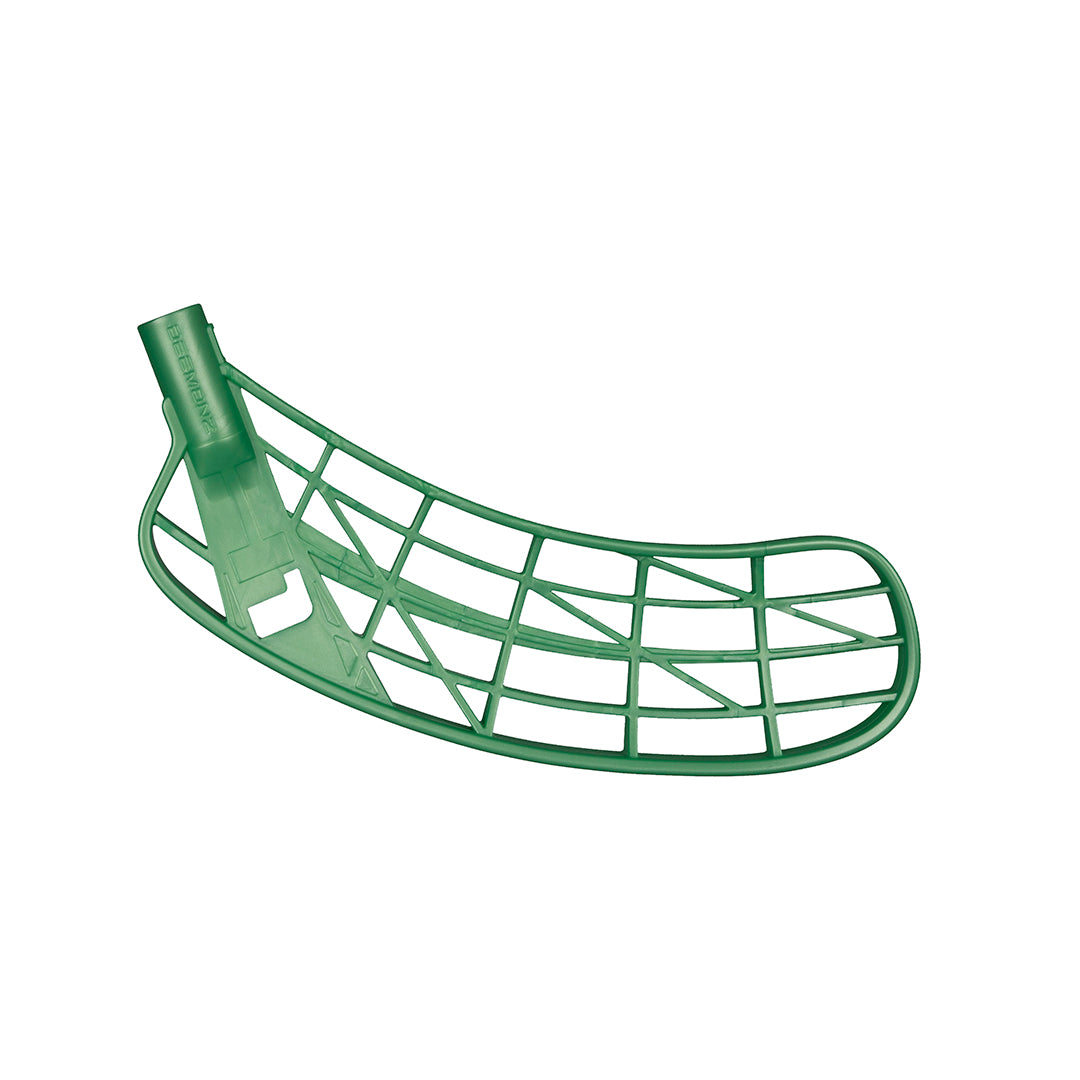
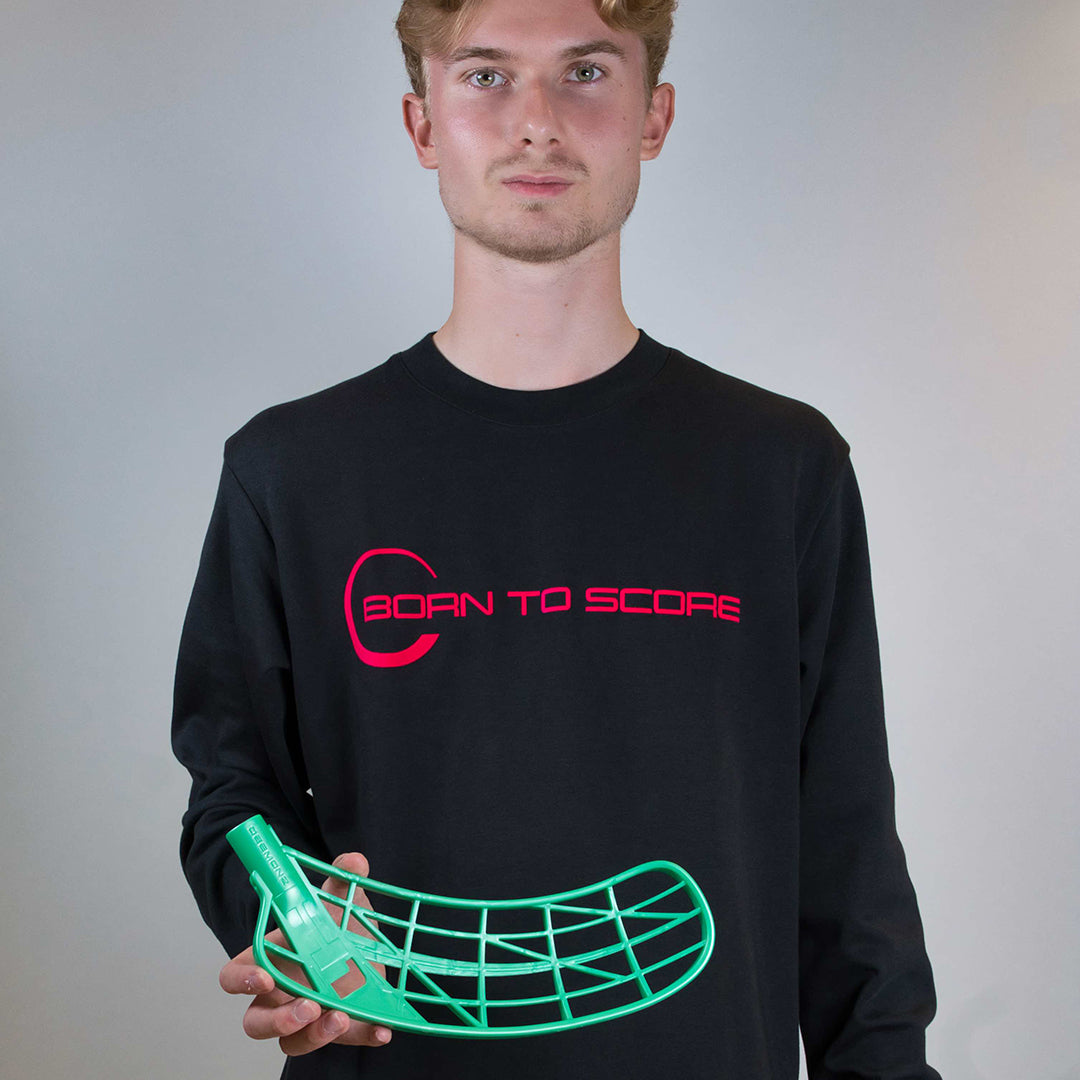
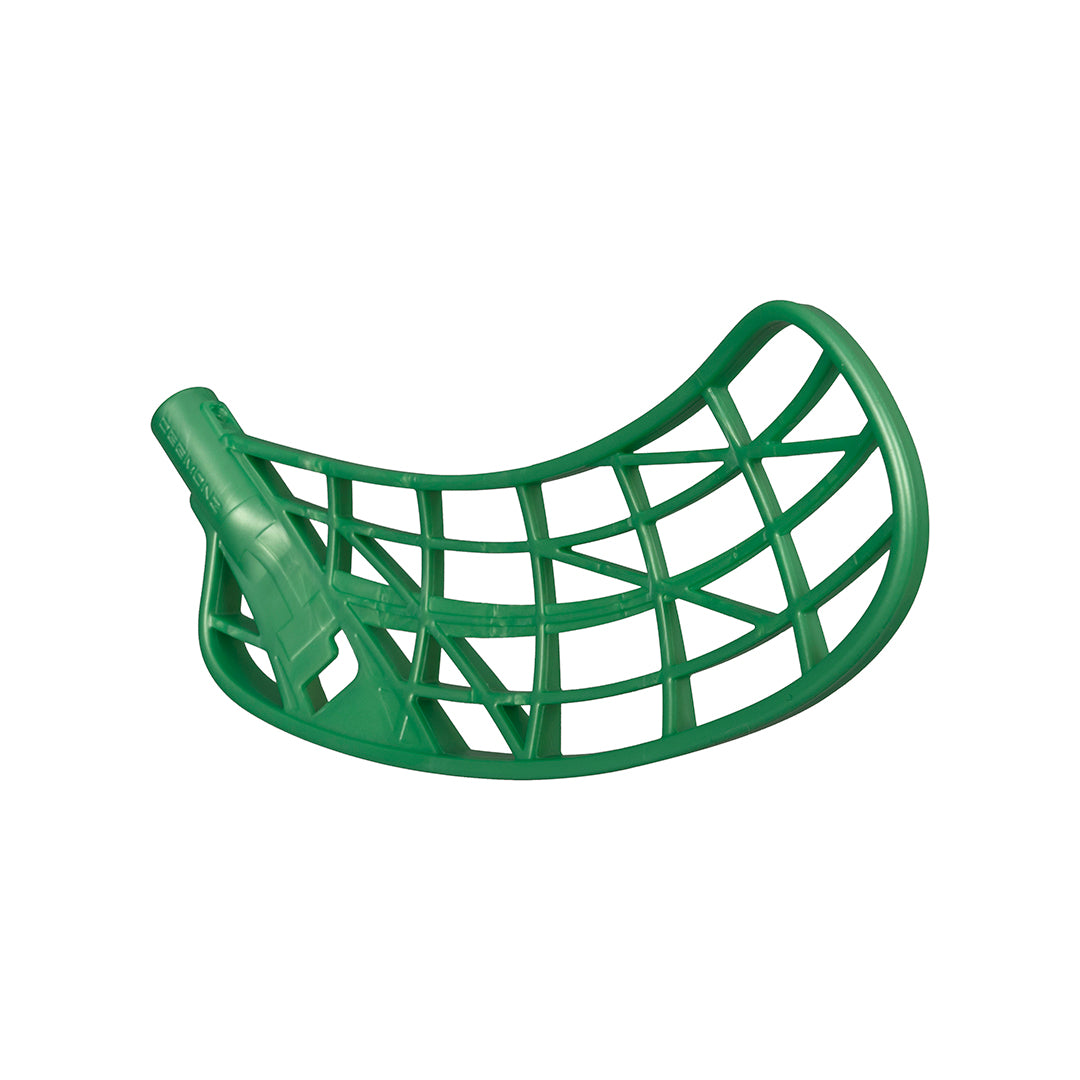
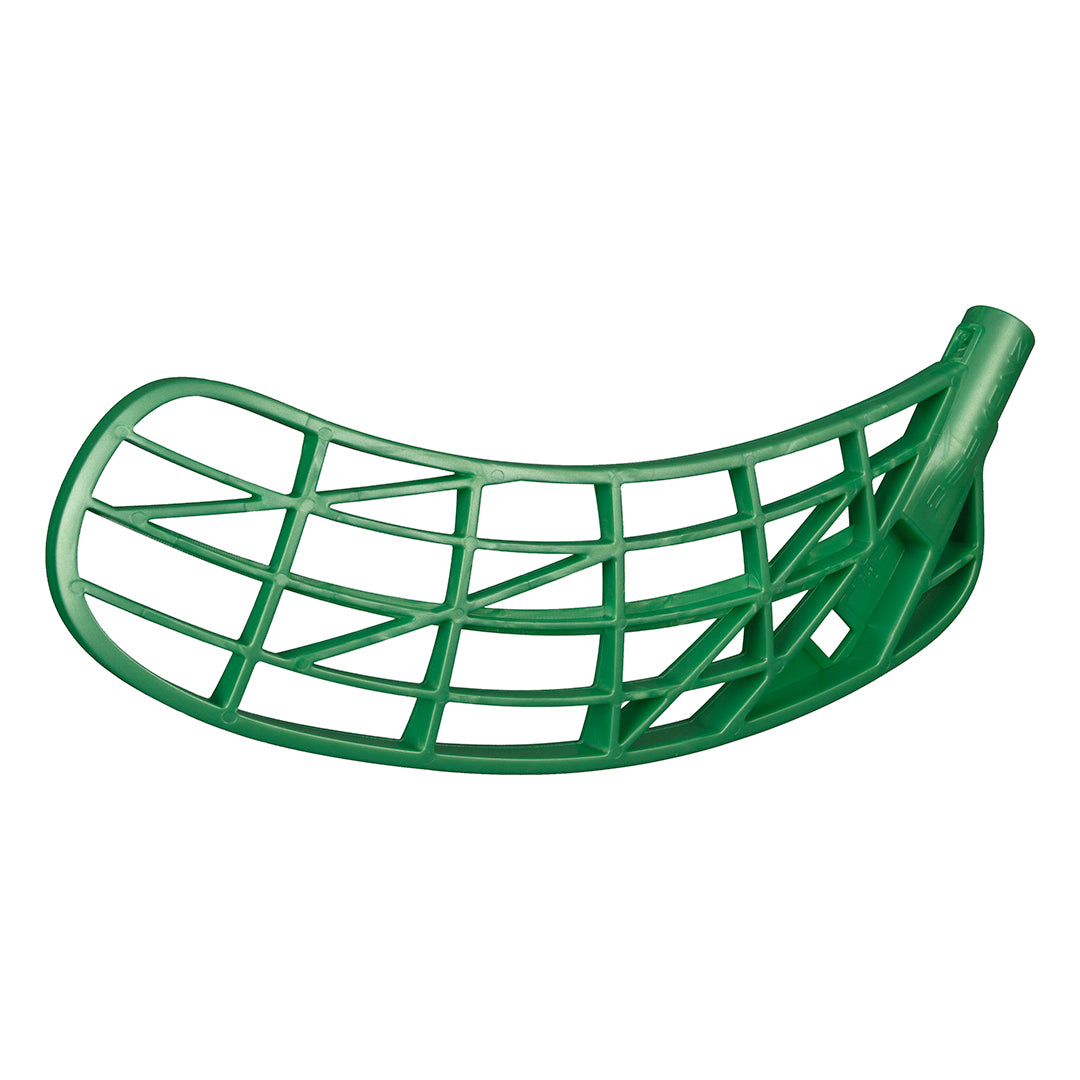
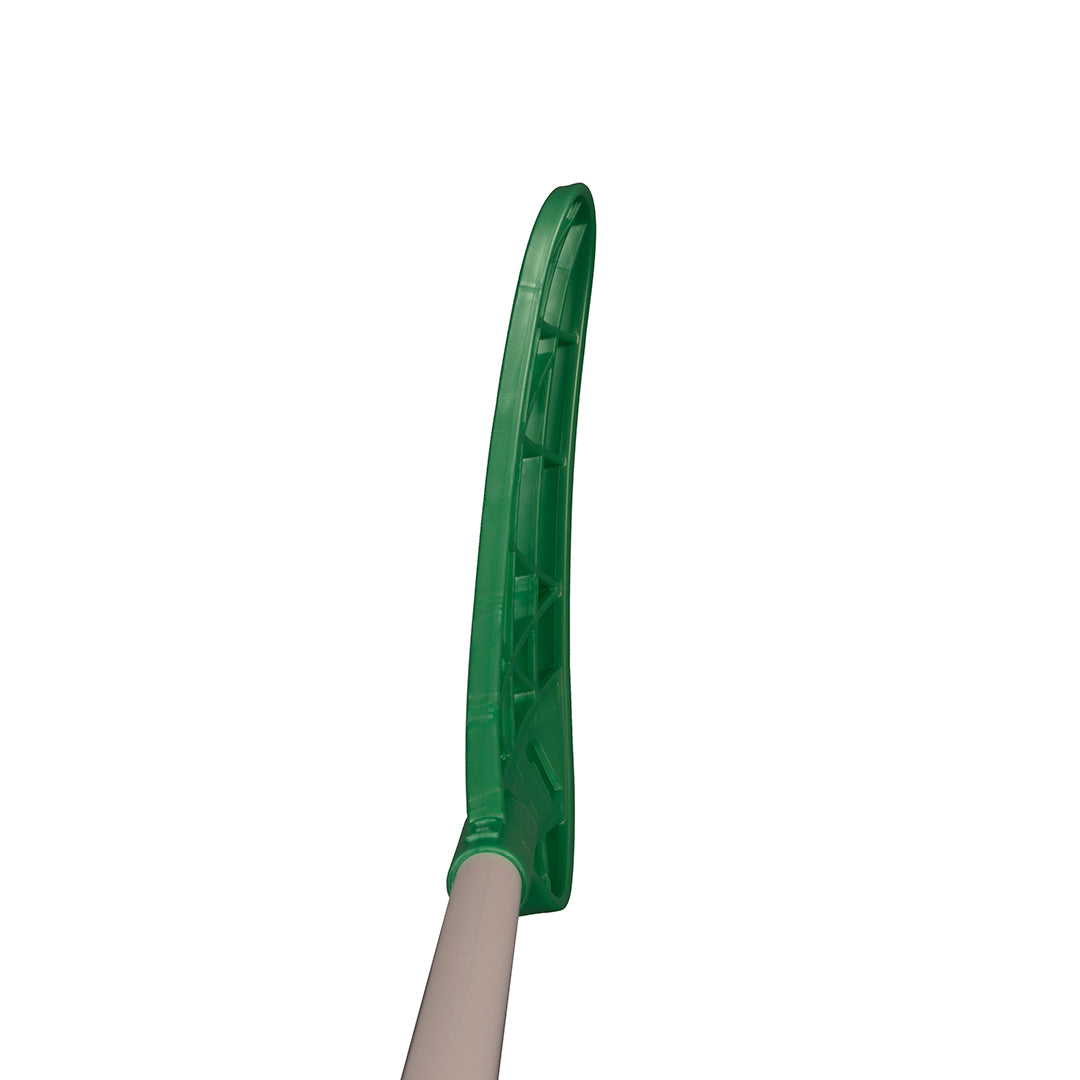
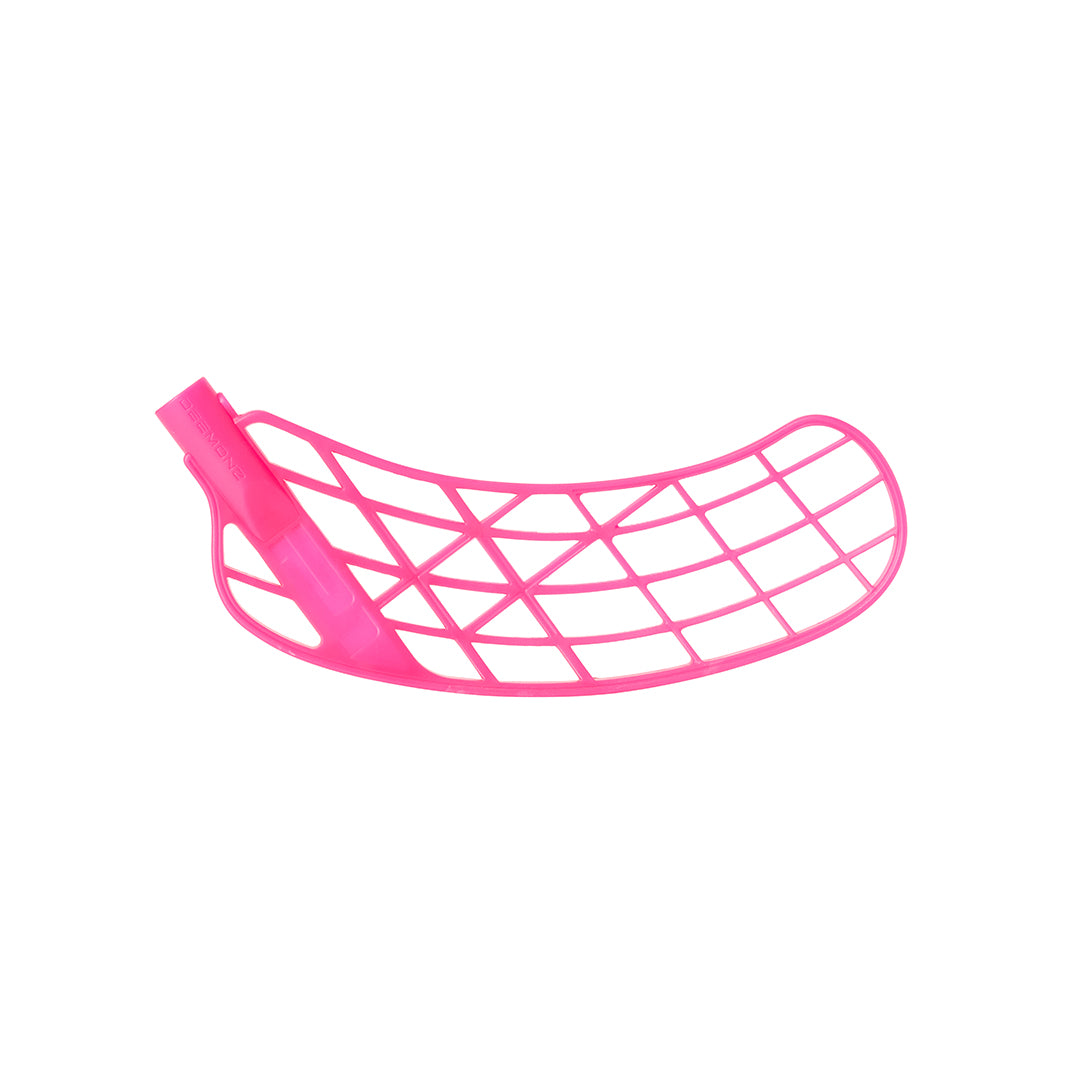
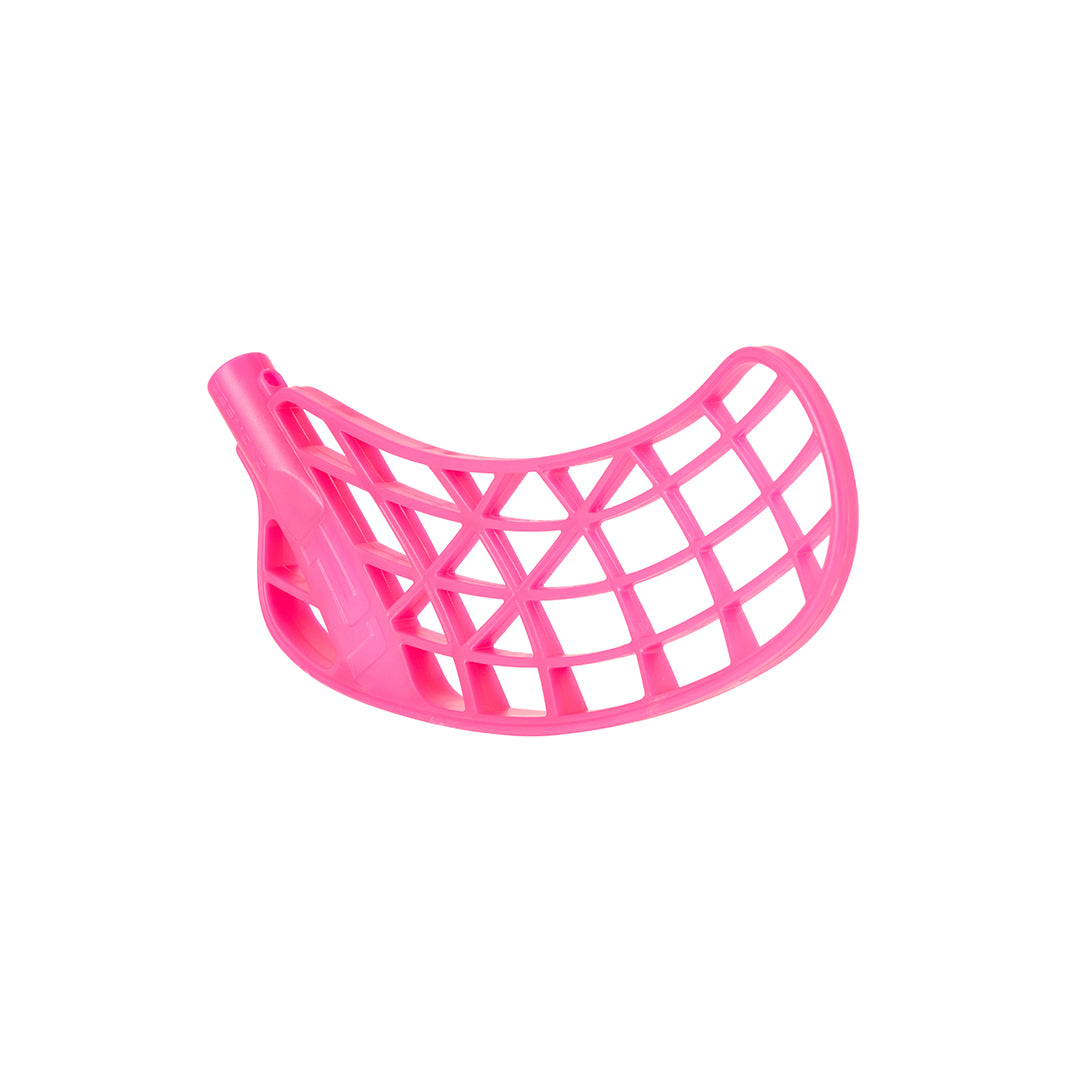
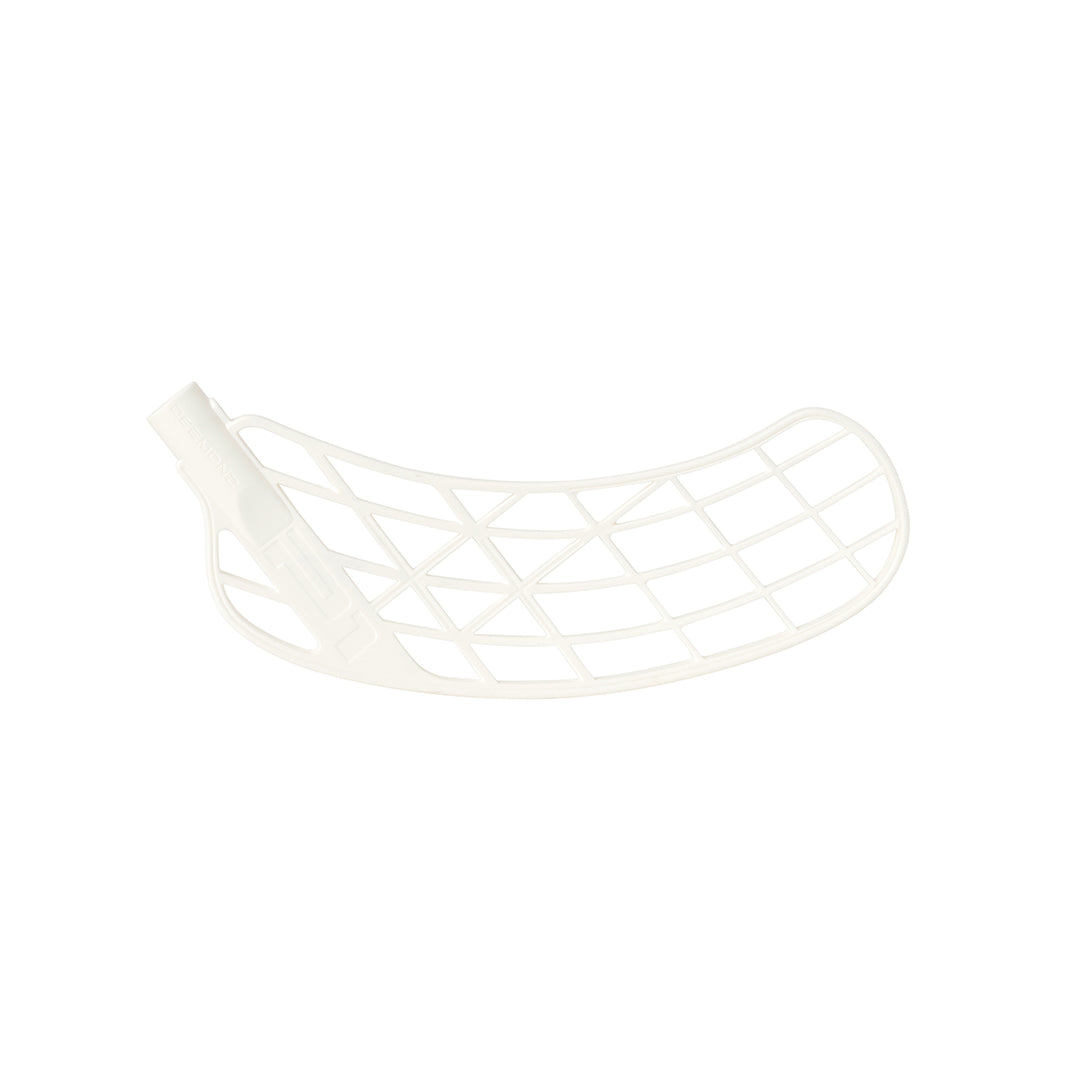
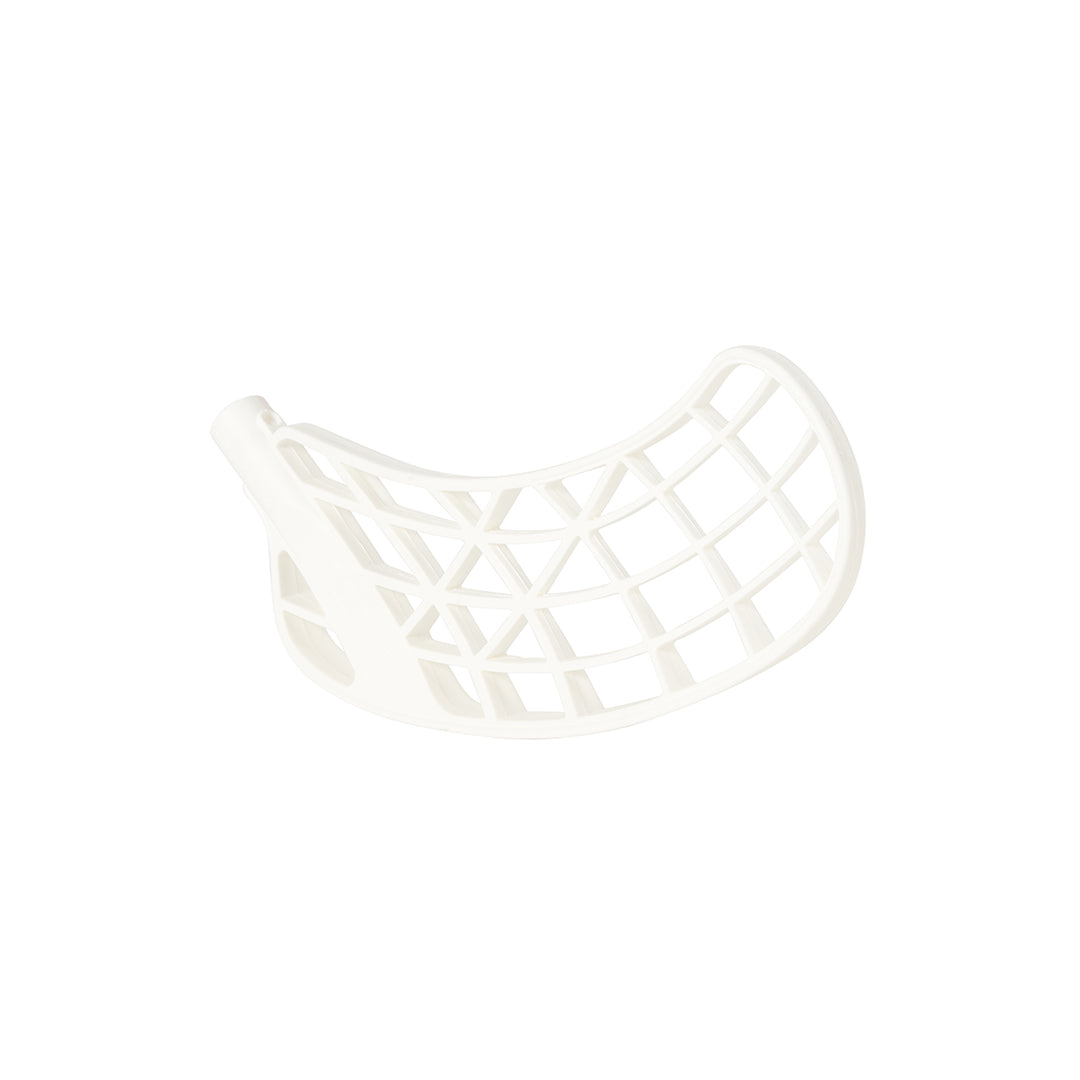
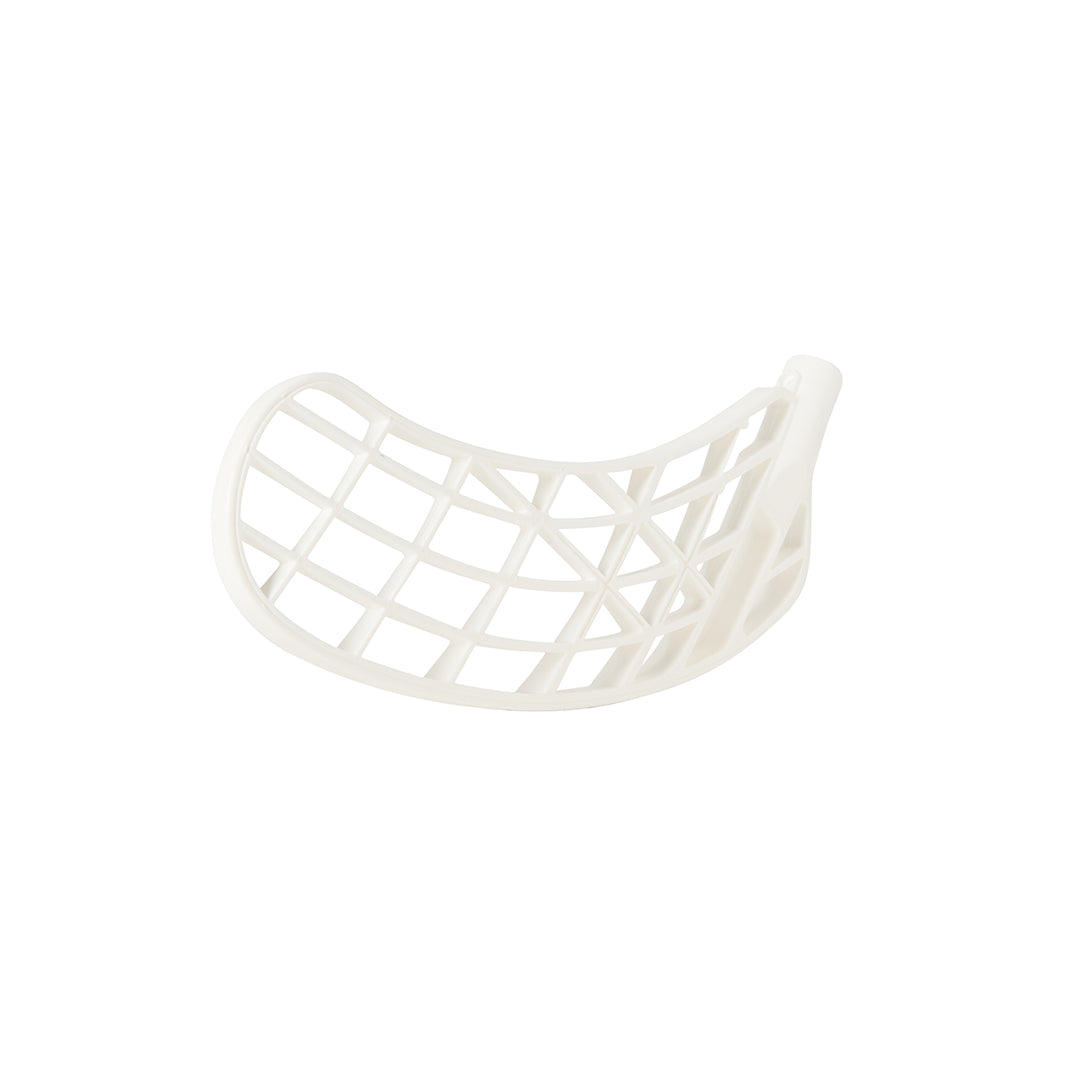
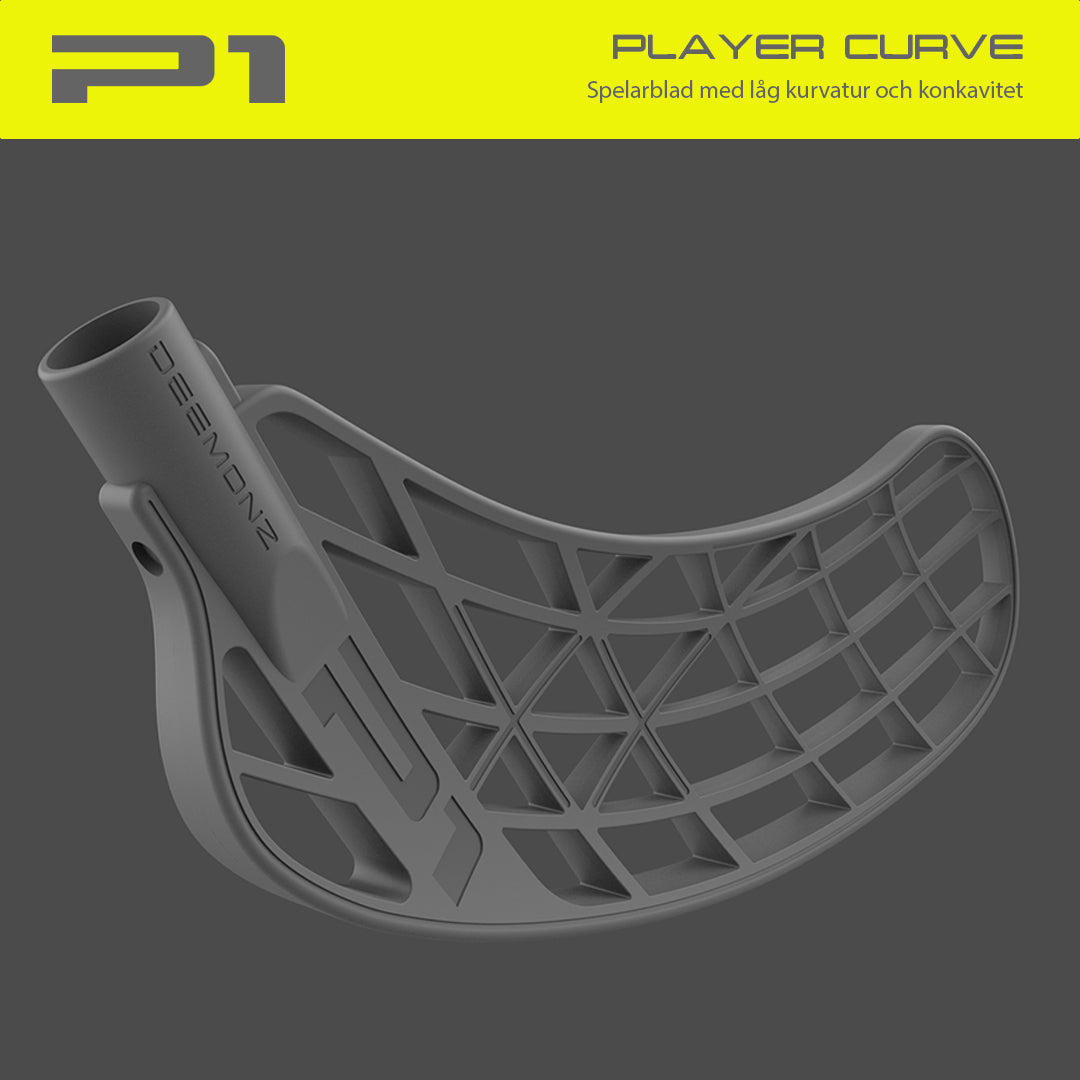
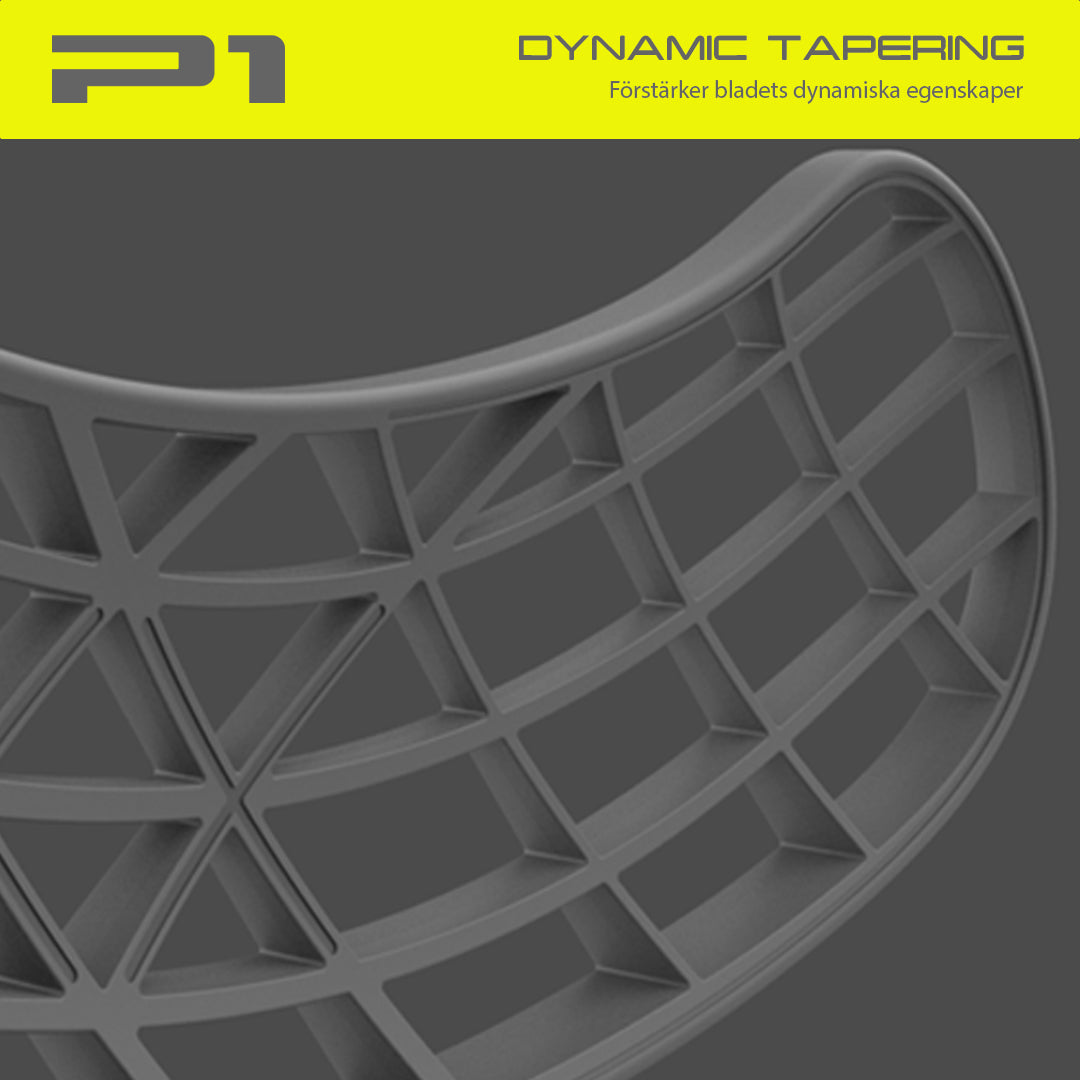
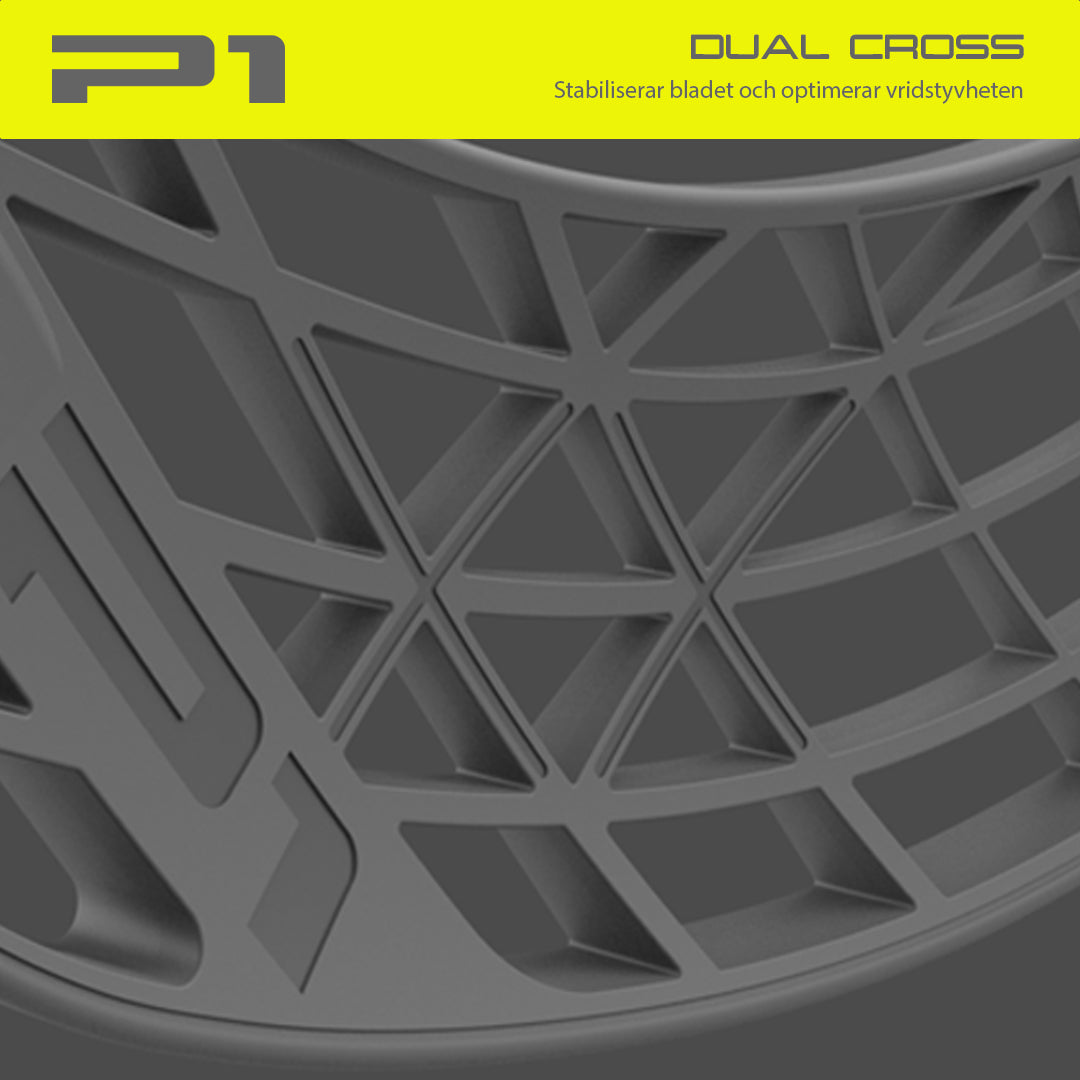
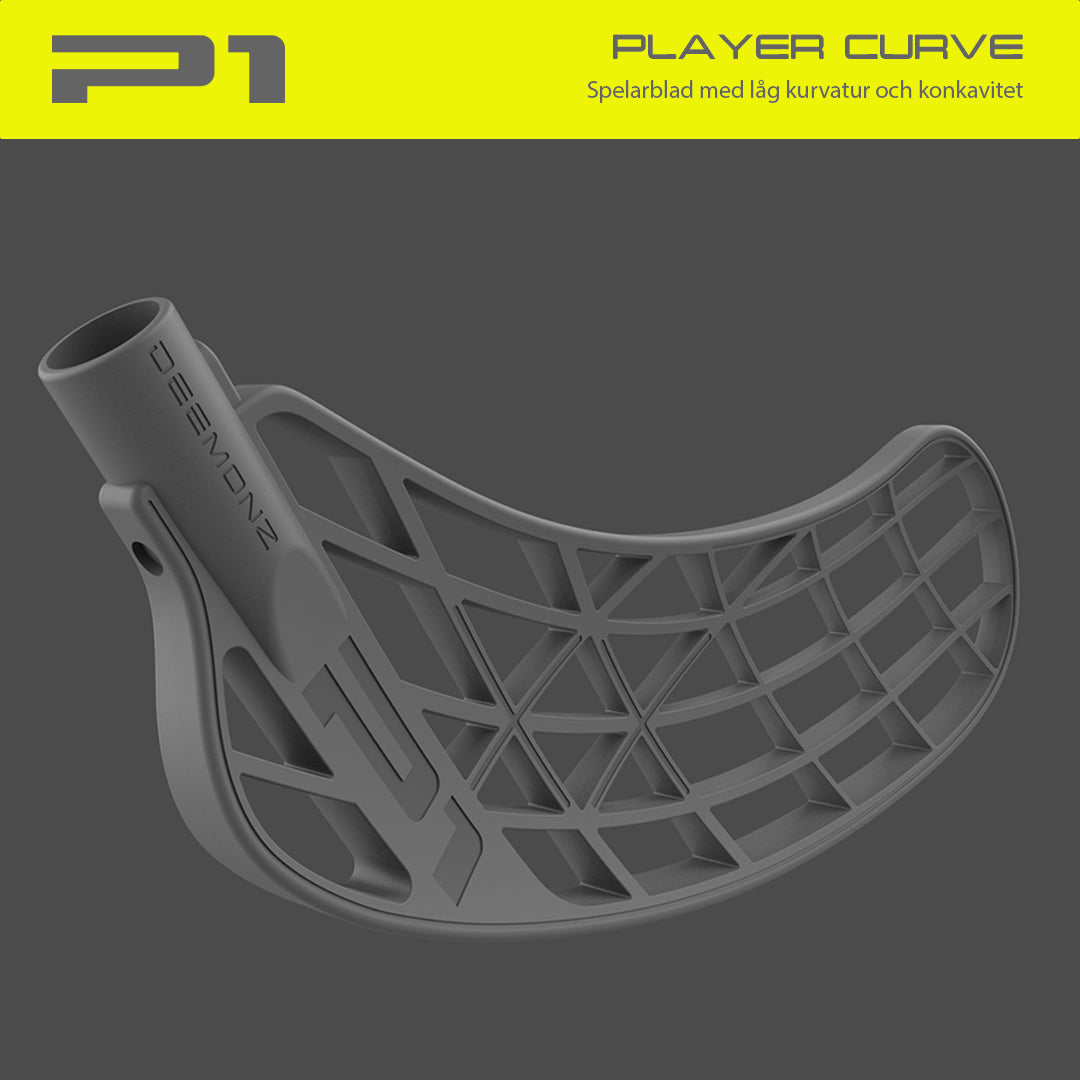
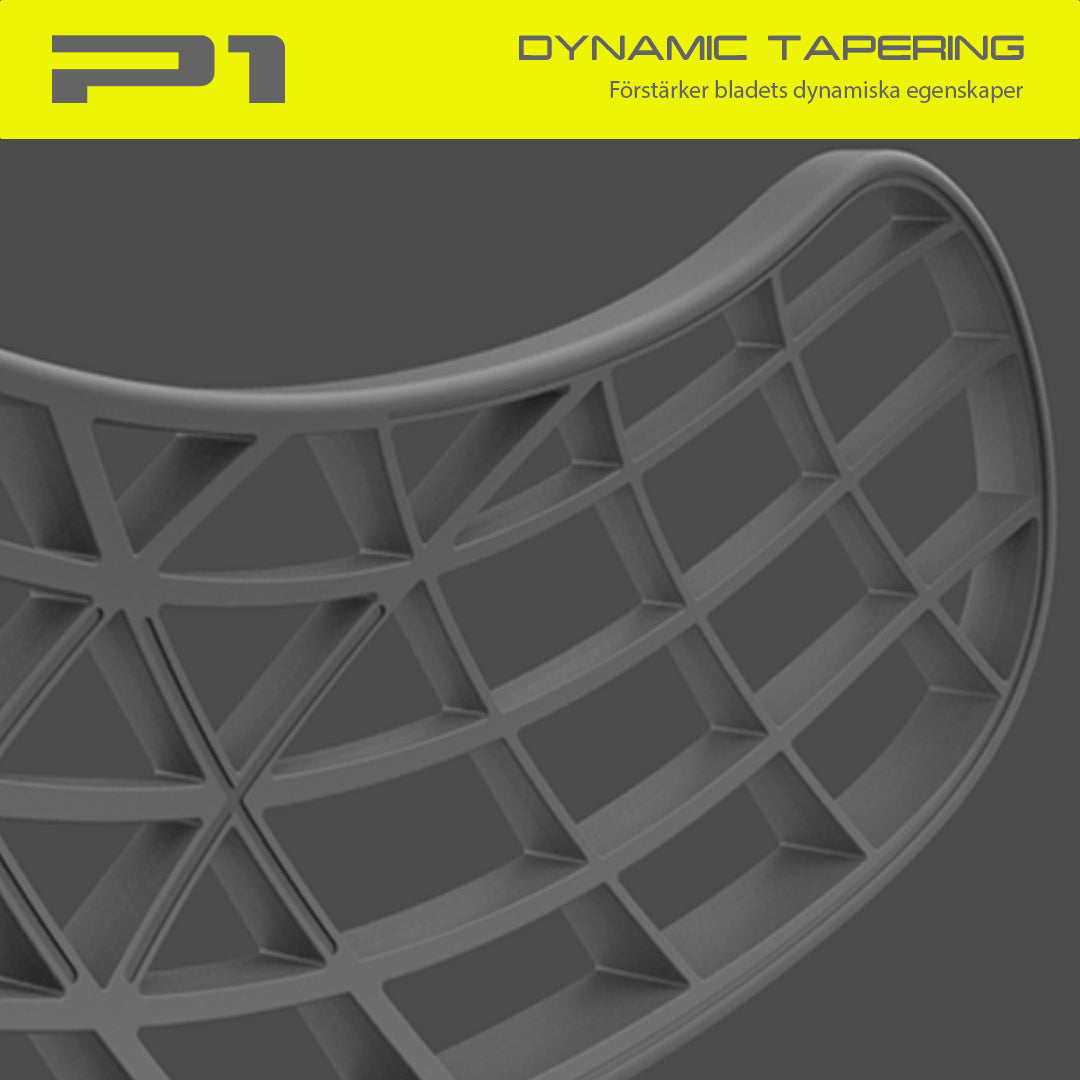
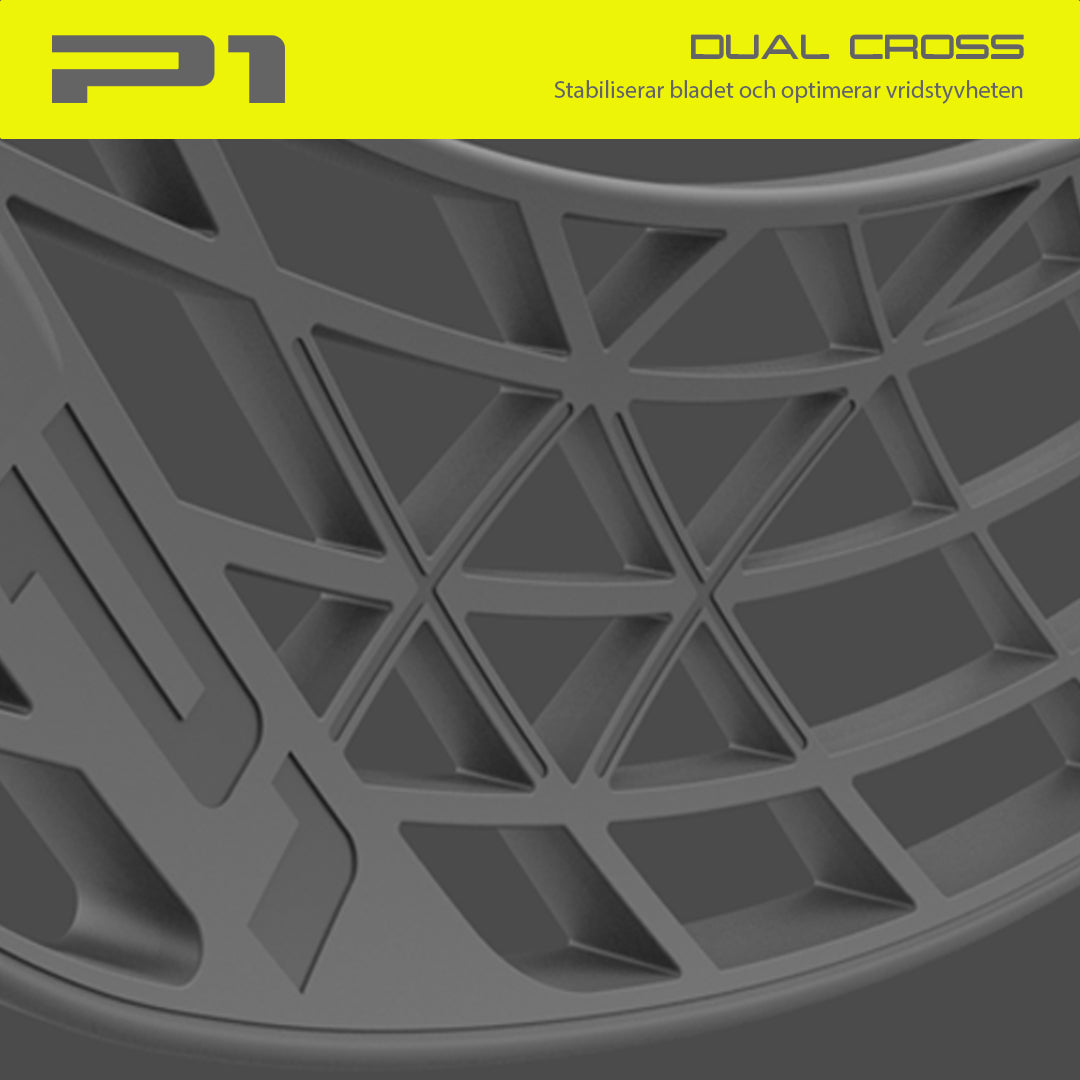
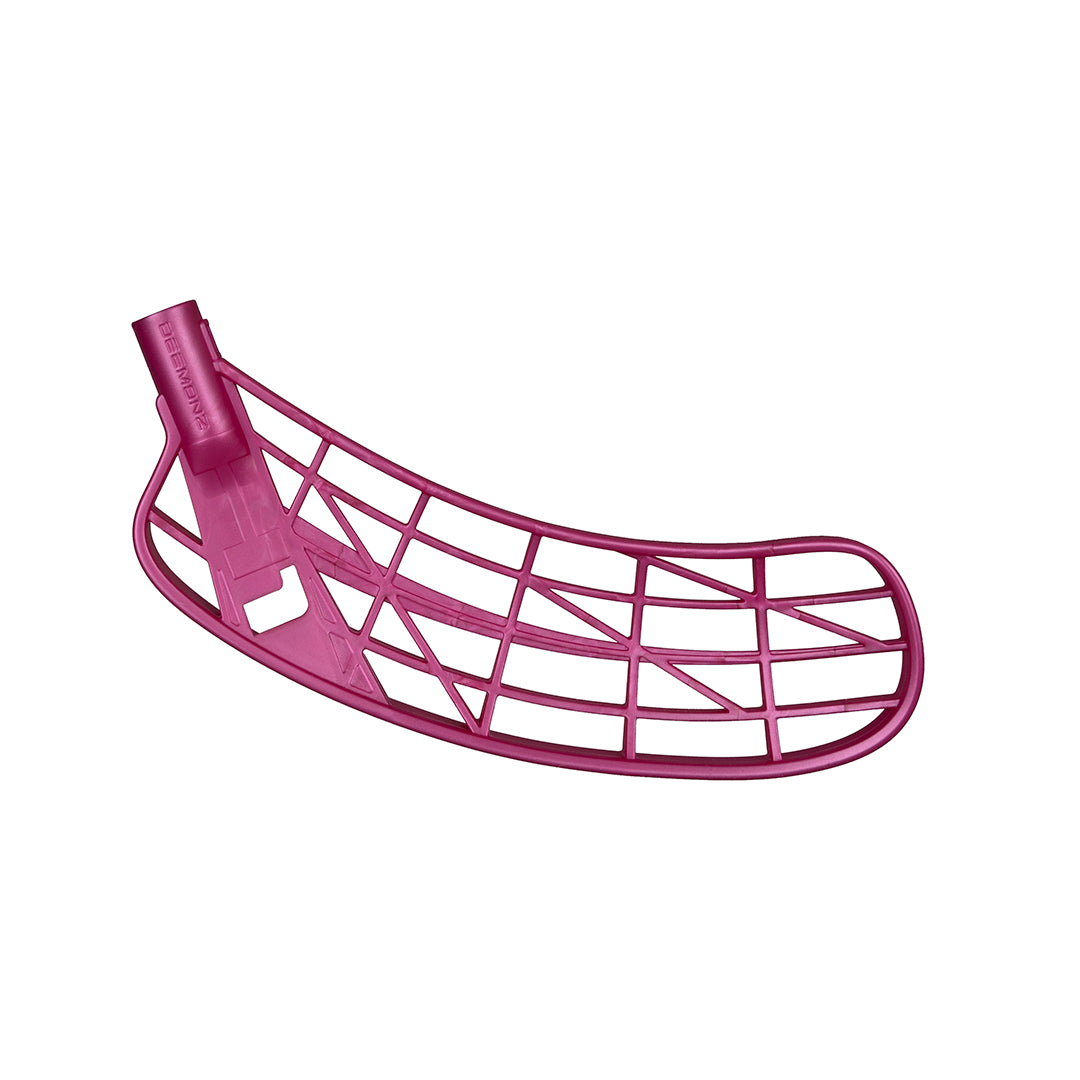
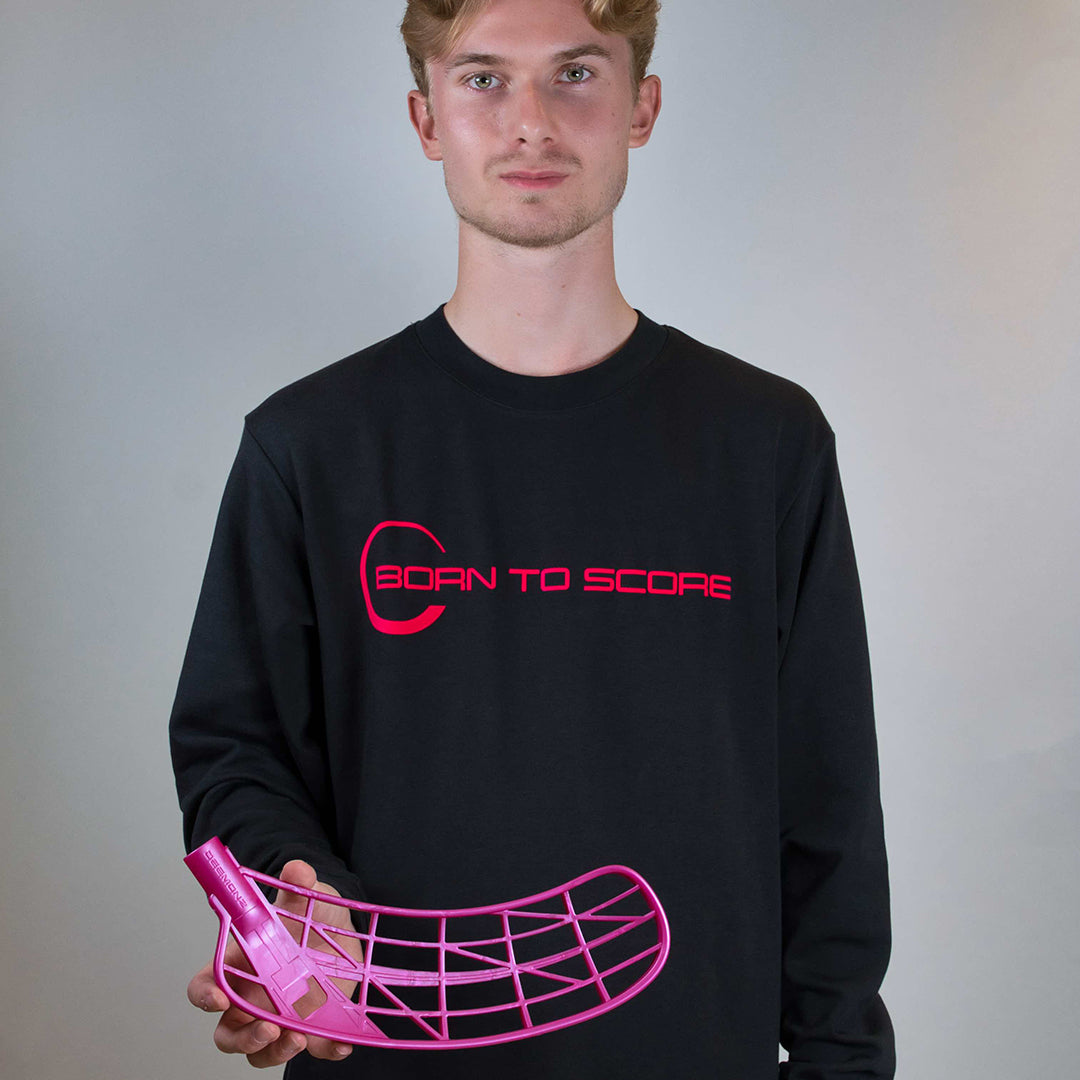
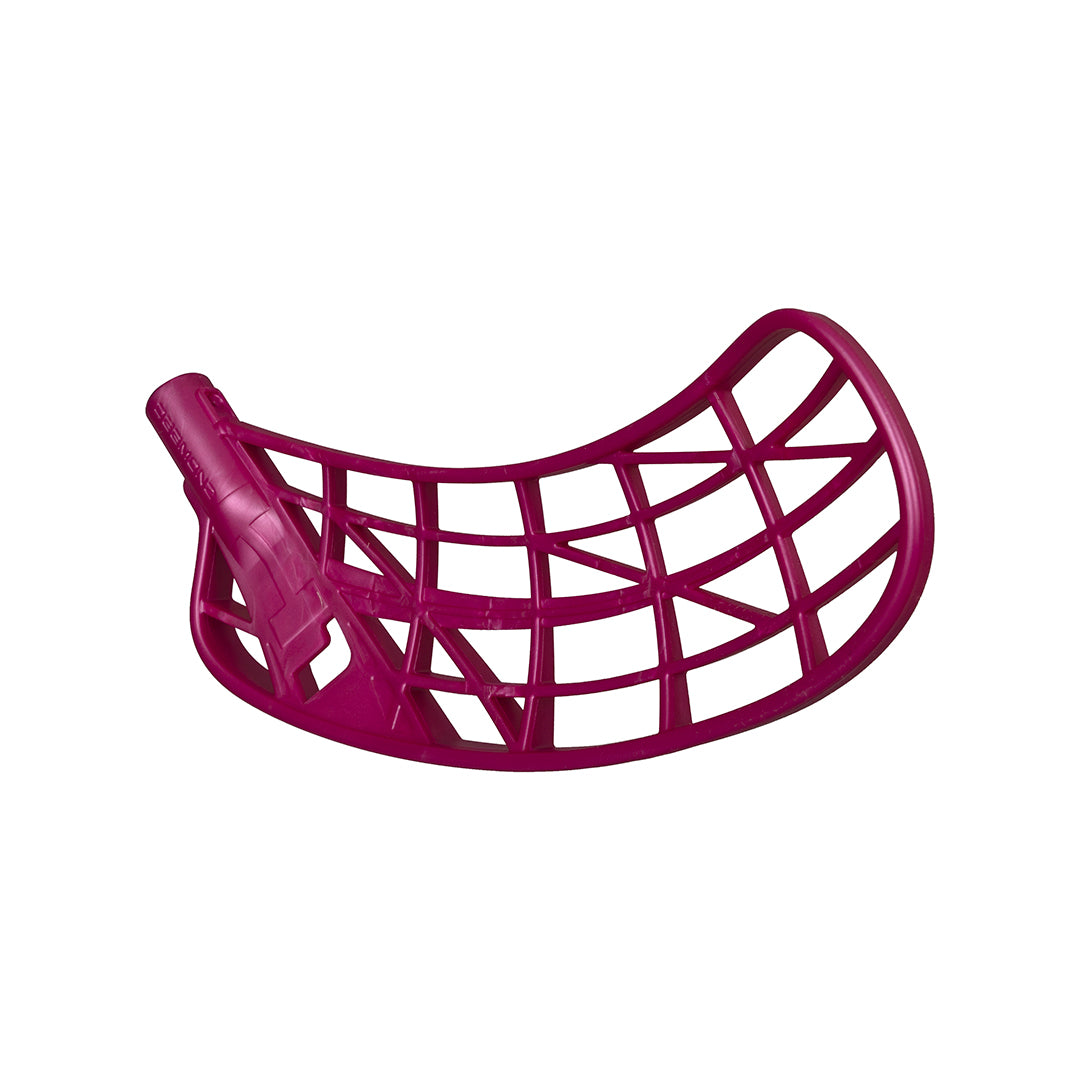
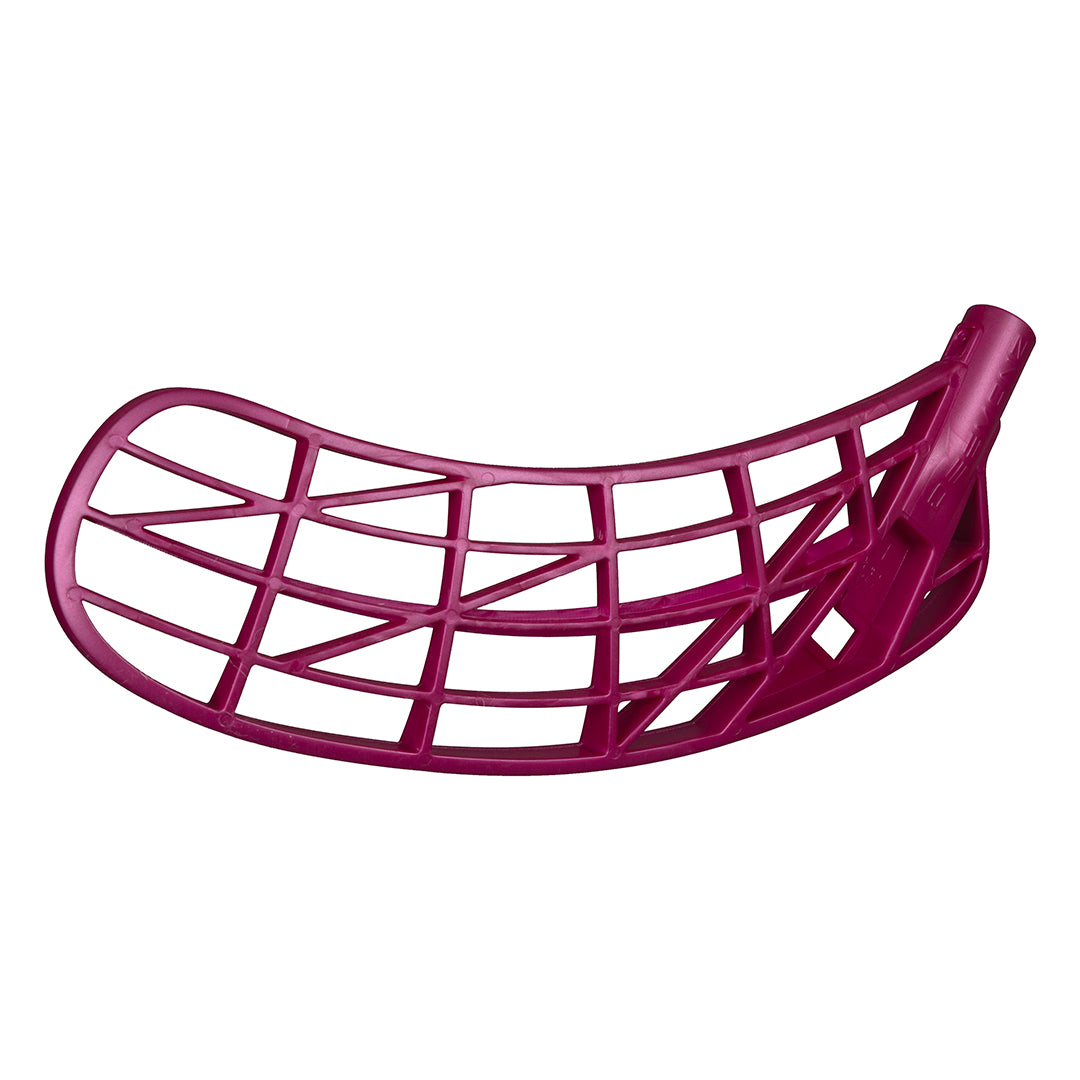
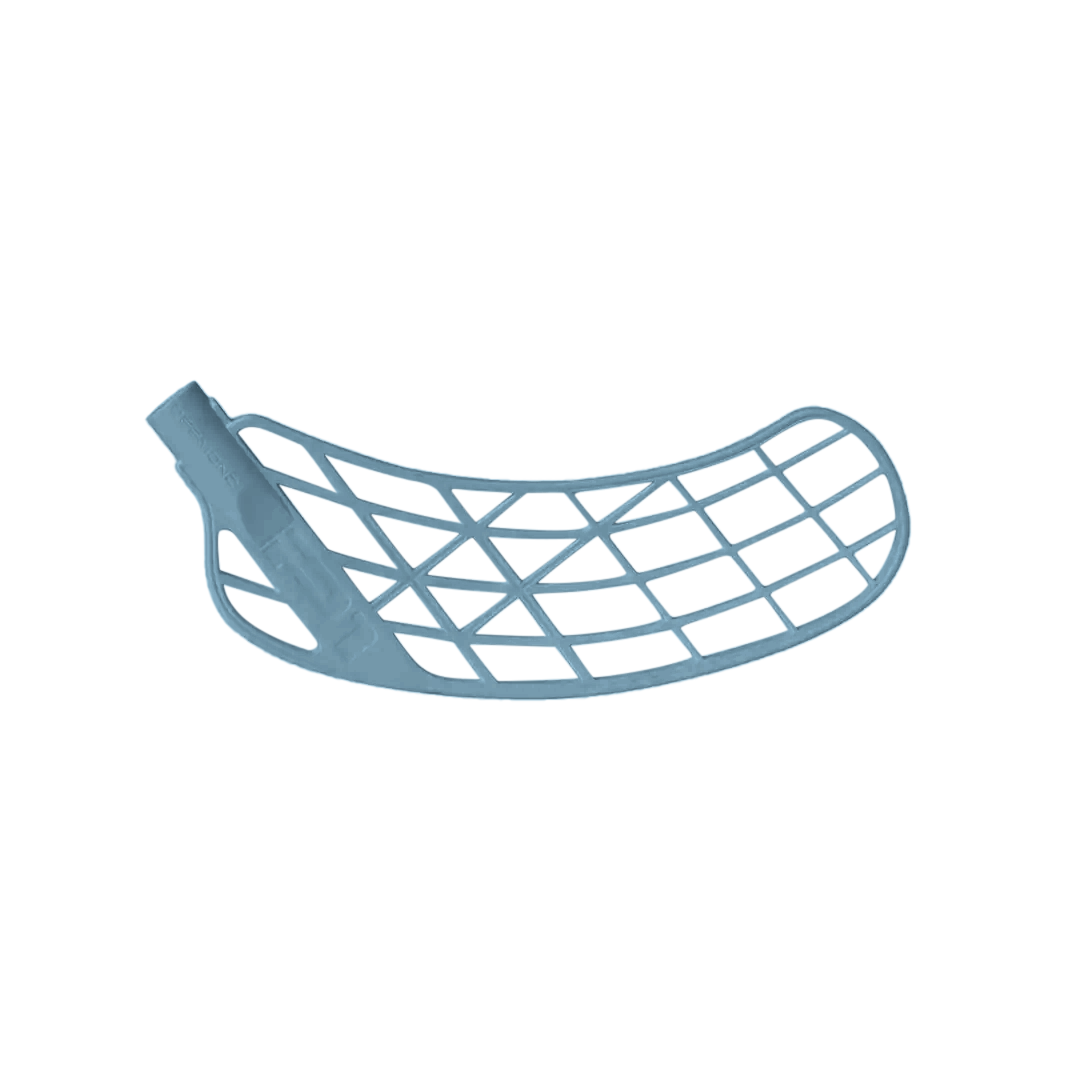
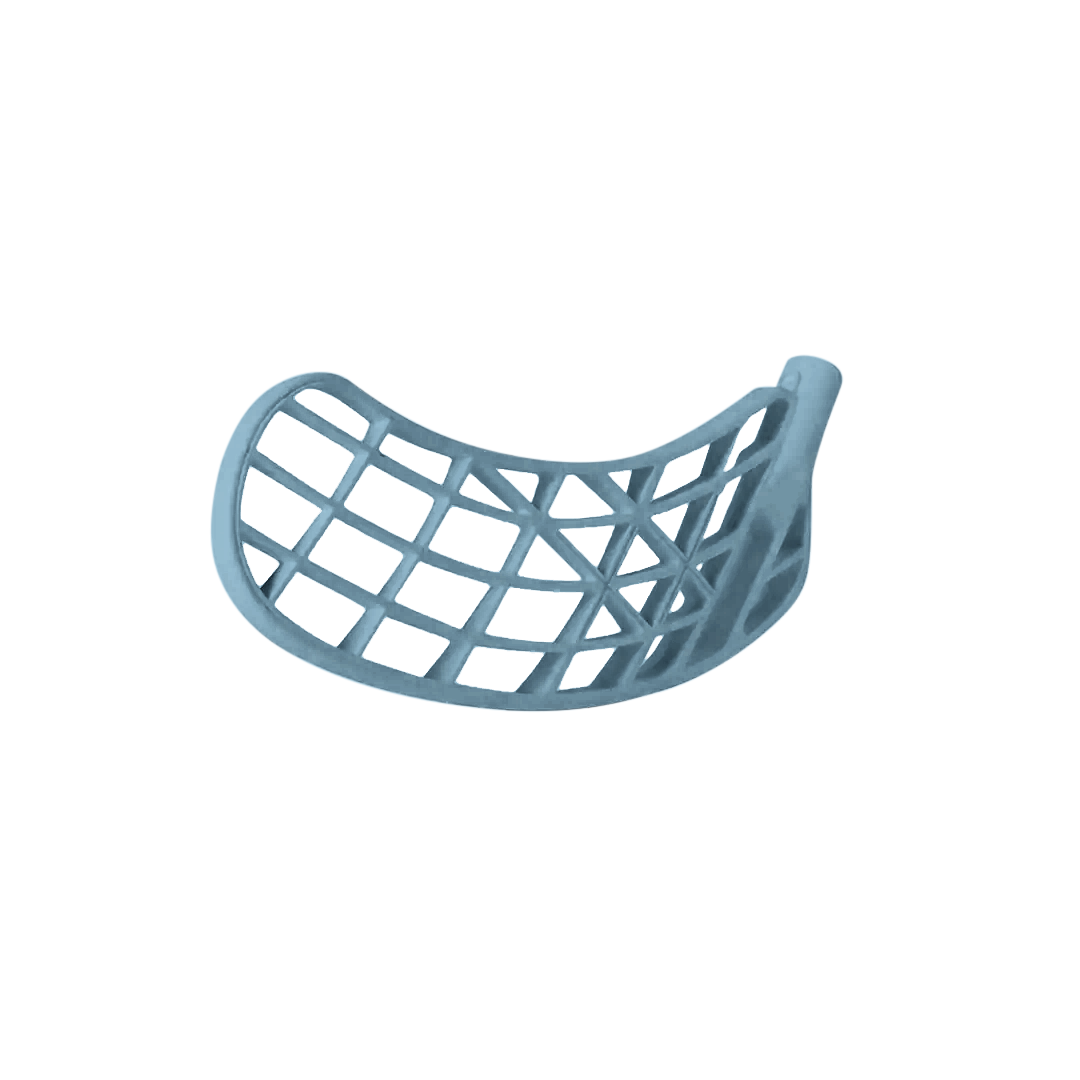
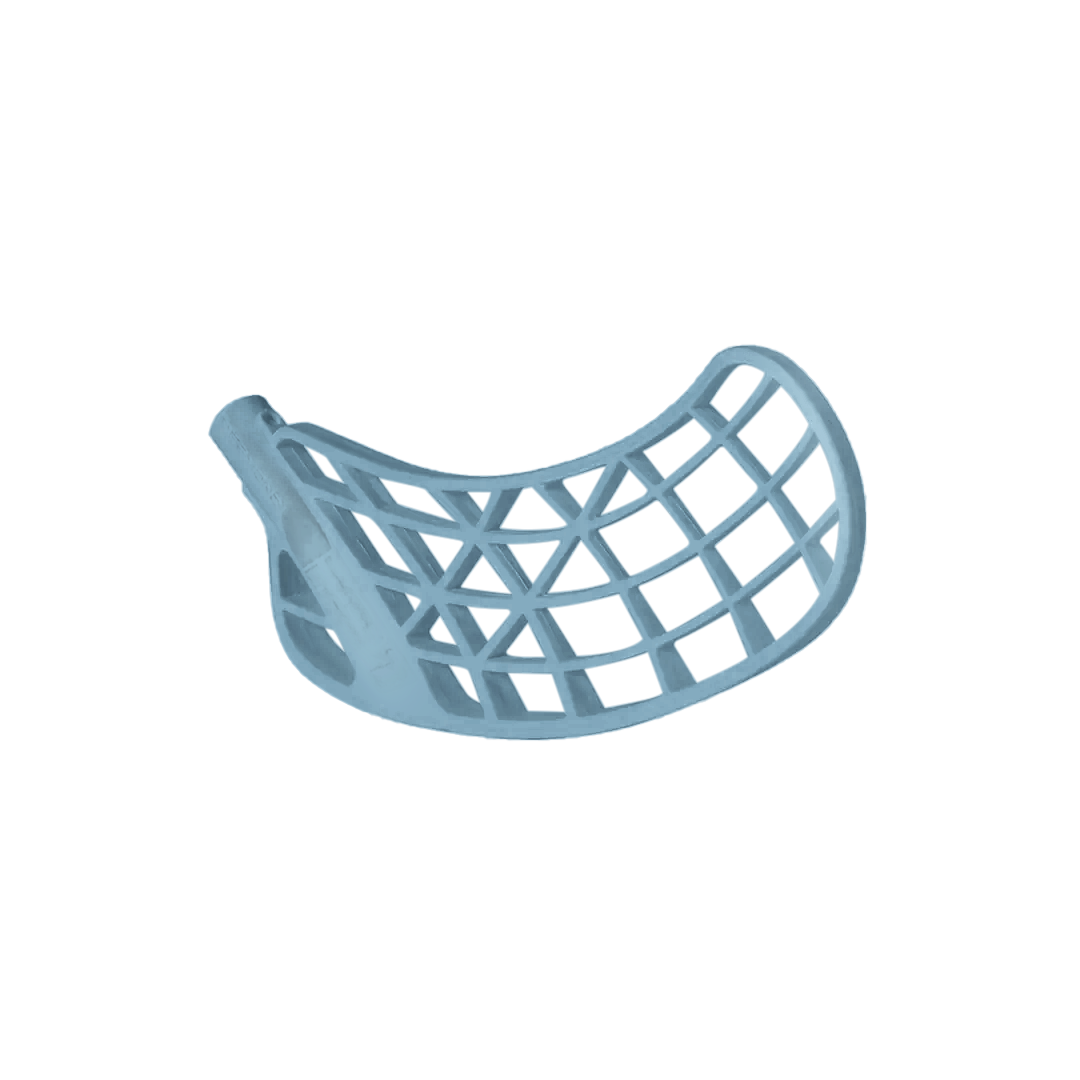
The floorball blade is the floorball club's most important component and is directly decisive for optimizing game feel and playability. There are many blades to choose from in terms of shape and material. The shape and material of the blade provide different playing characteristics which overall enhance individual playing feel and playability.
With the right floorball blade, specific parts of the game, ball handling and shooting can be improved. Knowledge of player type and which qualities you want to enhance is the key to choosing the right floorball blade. It is relatively easy to change the blade on a floorball stick, so the recommendation is to try out which floorball blade fits best.
game feel and playability
The indoor bandy blade must be made of thermoplastic and designed according to a set of regulations that, among other things, sets requirements for material, size and construction, which gives the player an opportunity to personalize the blade. The material in the blades most commonly varies between two types of plastic, PP and PE, or various mixtures thereof. In some cases, recycled plastic is used and attempts are made to mix the plastic with natural materials such as sugar cane, flax or coconut.
Floorball blades, just like floorball shafts, must be approved and certified based on a set of regulations designed by the IFF. The color of the blade must not damage the floor and the floorball blade must be marked with the floorball club's trademark and approved IFF logo. An important thing to remember when changing the blade on the floorball stick is that the shaft and blade must always be of the same brand.
PP stands for polypropylene and is a commonly used low-density thermoplastic that provides light-weight blades. PP gives a softer and an increased feel in ball handling. The properties of the plastic make it more difficult to personalize as the blade likes to return to its original shape when you bend it.
Polyethylene (PE) provides a harder feel in ball handling and withstands a lot of force. Floorball blades made of PE can easily be personalized and keep their shape well without returning to an original shape.
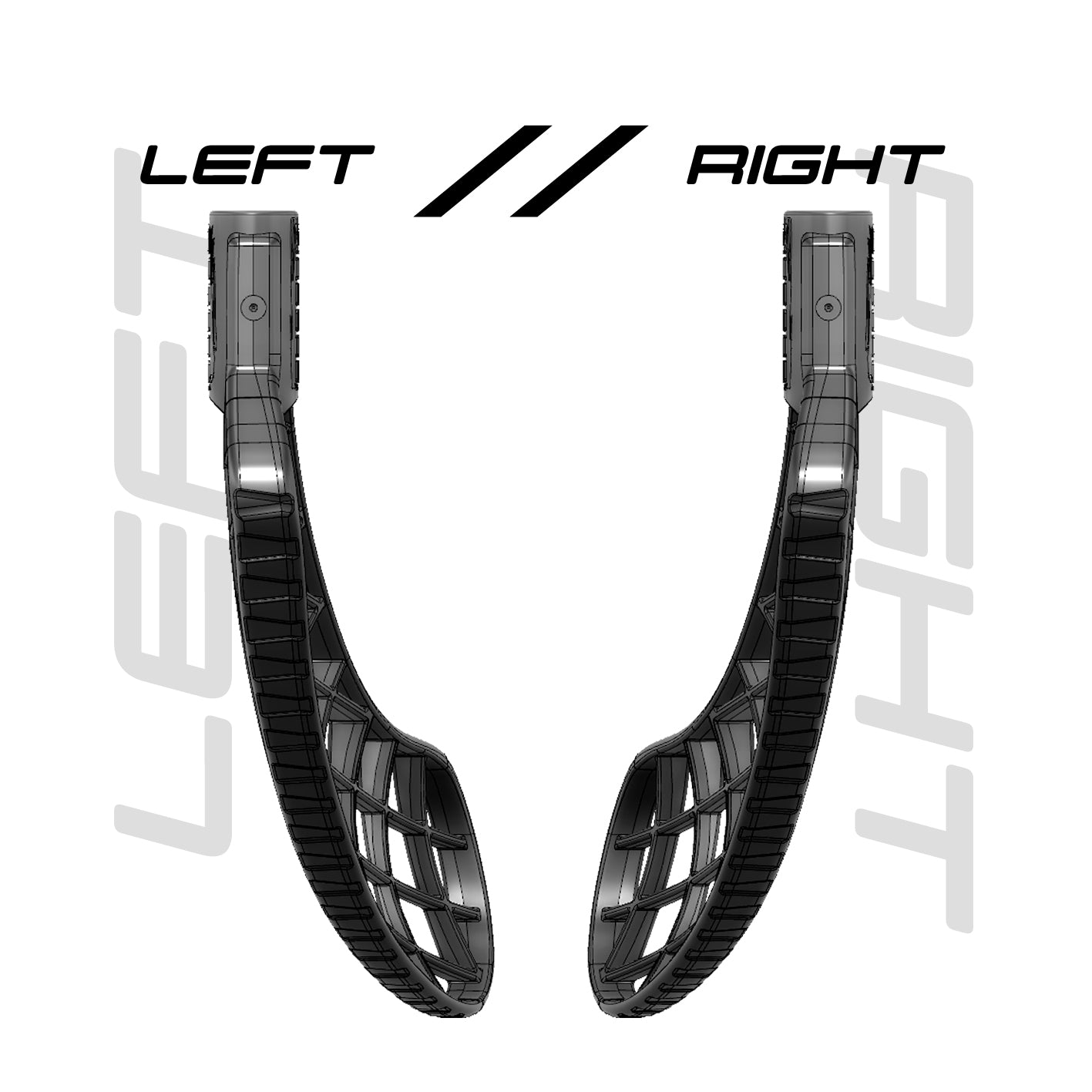
HÖGER (RIGHT) ELLER VÄNSTER (LEFT)
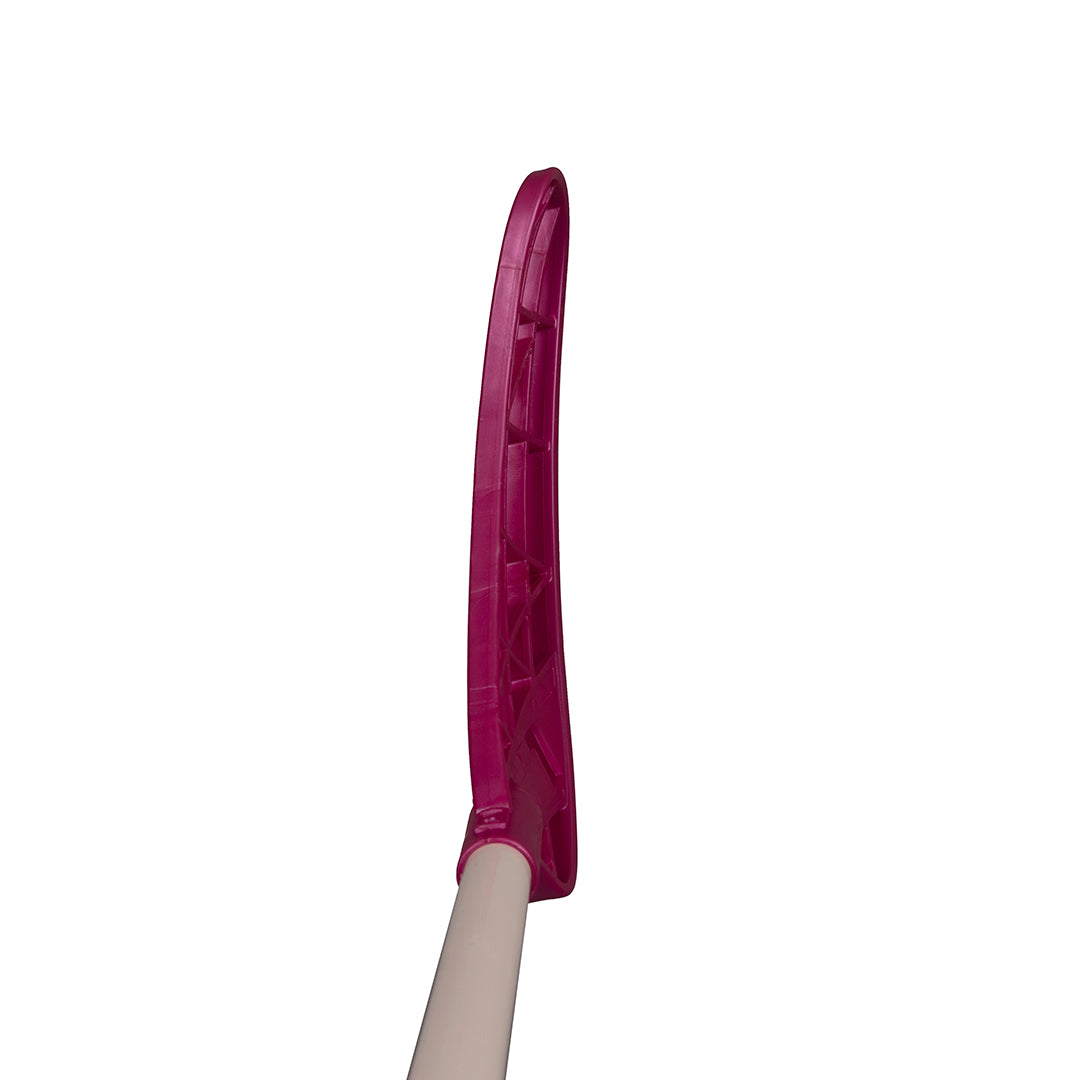
Innebandyblad har hook åt höger eller vänster och valet avgörs åt vilket håll spelaren håller klubban. Har du klubban till höger om dig när du skjuter och har vänster hand högst upp på innebandyklubban så är du högerfattad och ska välja ett innebandyblad höger/right, vice versa om du håller höger hand överst och innebandyklubban till vänster så är du vänsterfattad och ska välja ett innebandyblad vänster/left.
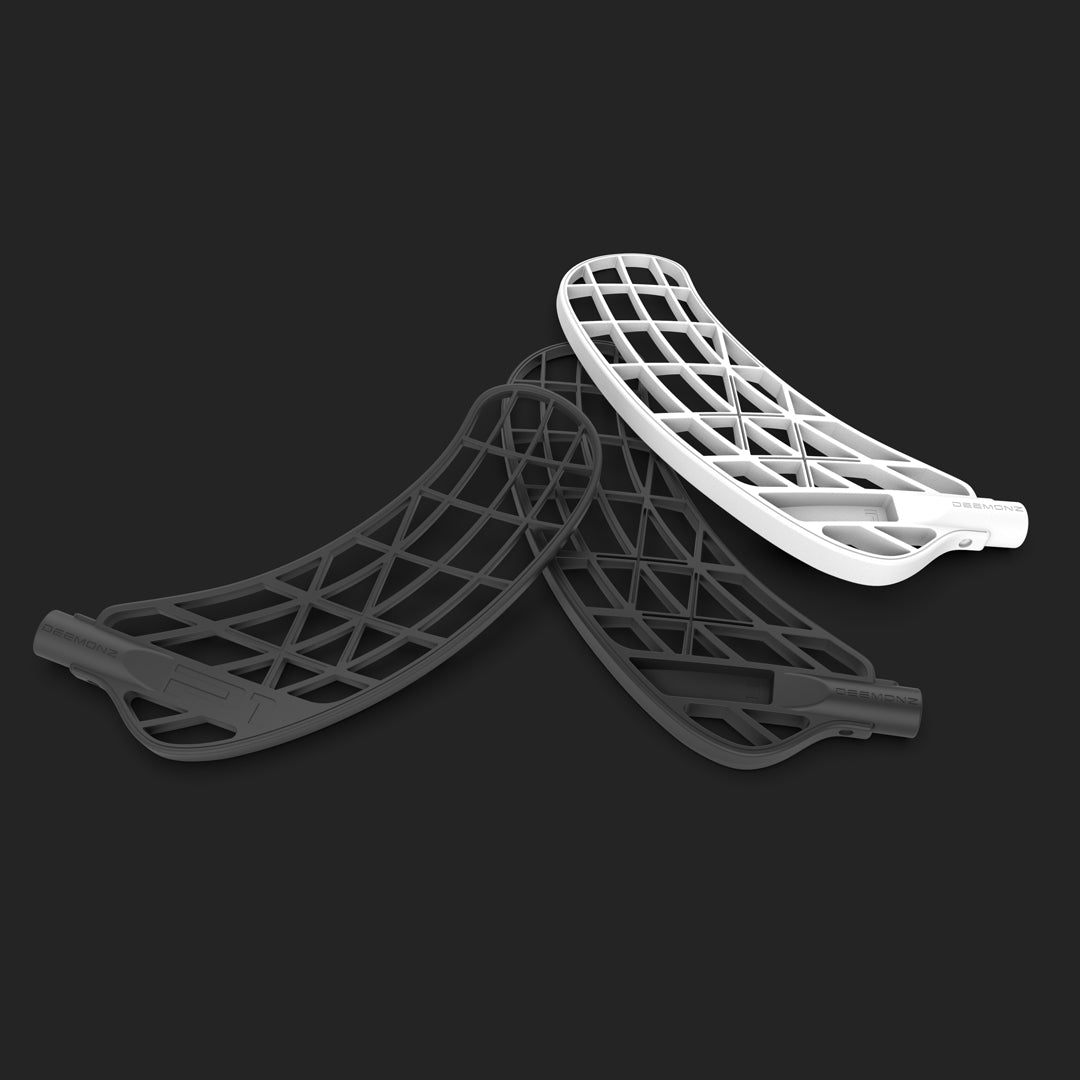
VAL AV INNEBANDYBLAD
Sammanfattningsvis rekommenderas man att över tid lära känna sin spelstil och vad man vill förstärka och utifrån det testar olika bladformer och material för att se vad som passar bäst.
Nybörjare och yngre spelare rekommenderas att välja en lätt och mjuk innebandyklubba, det vill säga ett lätt innebandyskaft med hög flex och ett mjukare innebandyblad med mer hook och skålning. Anledningen till detta är att en mjukare innebandyklubba och innebandyblad gör det enklare att lära sig att hantera både spel och klubba.
Efter hand utvecklas innebandyspelaren fysiskt och tekniskt samt finner en inviduell spelstil och position. Då kan tiden vara rätt att hitta ett nytt innebandyblad. Det kan då innebära att man går över på ett rakare och hårdare blad med hög grad av flexibilitet till personalisering. Vilket som är bästa val blir återigen en fråga om att testa sig fram.
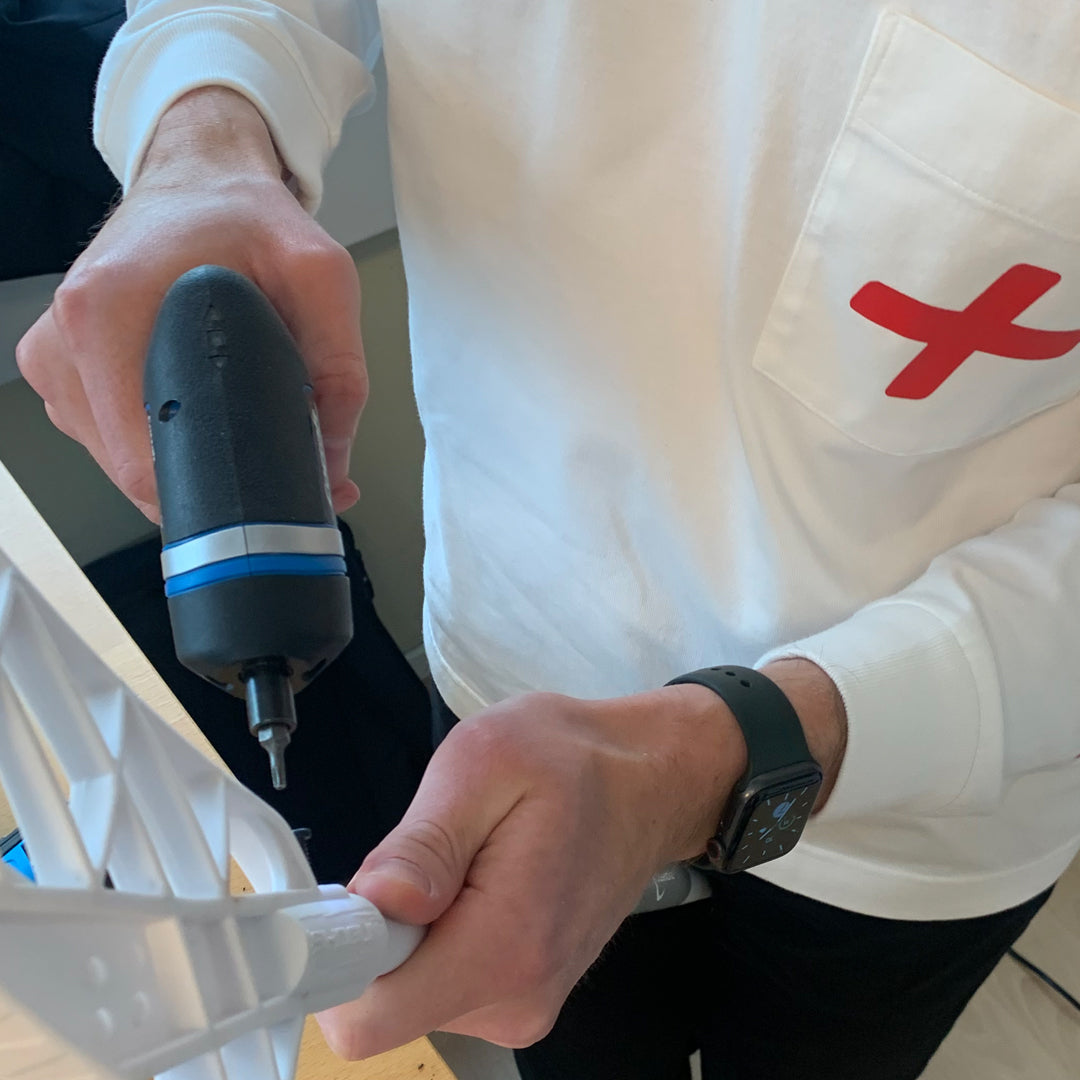
SÅ HÄR BYTER DU INNEBANDYBLAD
Ett blad kan behöva bytas när du spelat en tid, även om det inte är några sprickor eller är trasigt på något sätt. Bladen tappar i prestanda och slits undertill vartefter du spelar. Att byta innebandyblad är inte svårt och är ett billigt sätt att hålla innebandyklubban redo. Testa!
Att tänka på innan du byter blad:
Blad ska sitta tight mot skaftet varför du kan behöva en värmepistol för att få bort det gamla men också att få på det nya innebandybladet. Har du ingen värmepistol, kolla med dina ledare eller lagkompisar. Om det nya bladet sitter lite löst så kan du behöva lite eltejp för att det ska sitta lite tightare mot skaftet.
Tänk också på att reglerna säger att du inte får blanda olika varumärken på blad och skaft. Gäller dock bara om du spelar match där regelverket gäller. Är du motionär och spelar innebandy för skoj skull så kan du i praktiken blanda bäst du vill.
How to use
1. Unscrew the screws.
2. Heat the neck of the blade. Heat makes the plastic soft and it becomes easier to remove and replace the leaves. Some brands glue their blades. The heat makes the glue soft and the blade can be removed more easily.
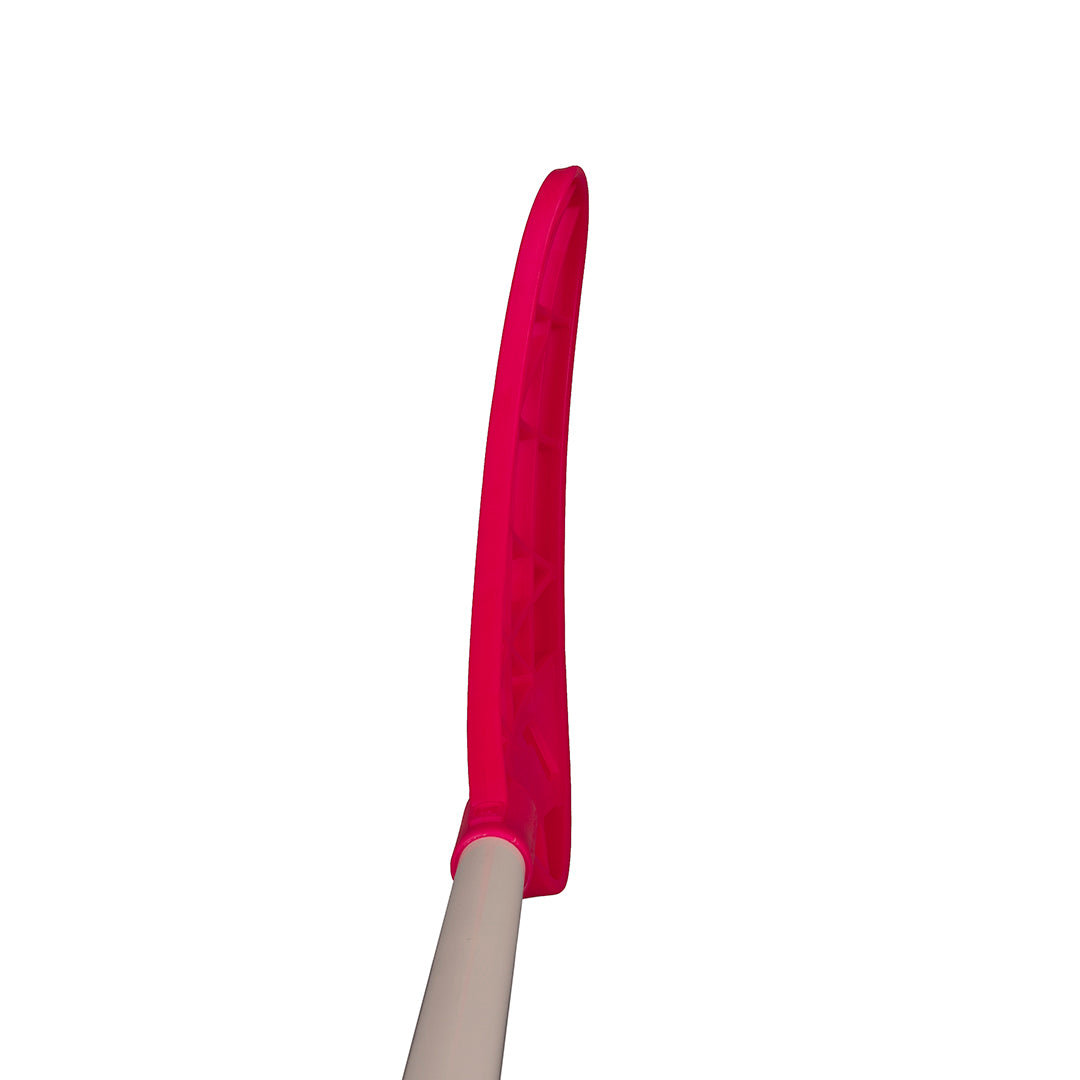
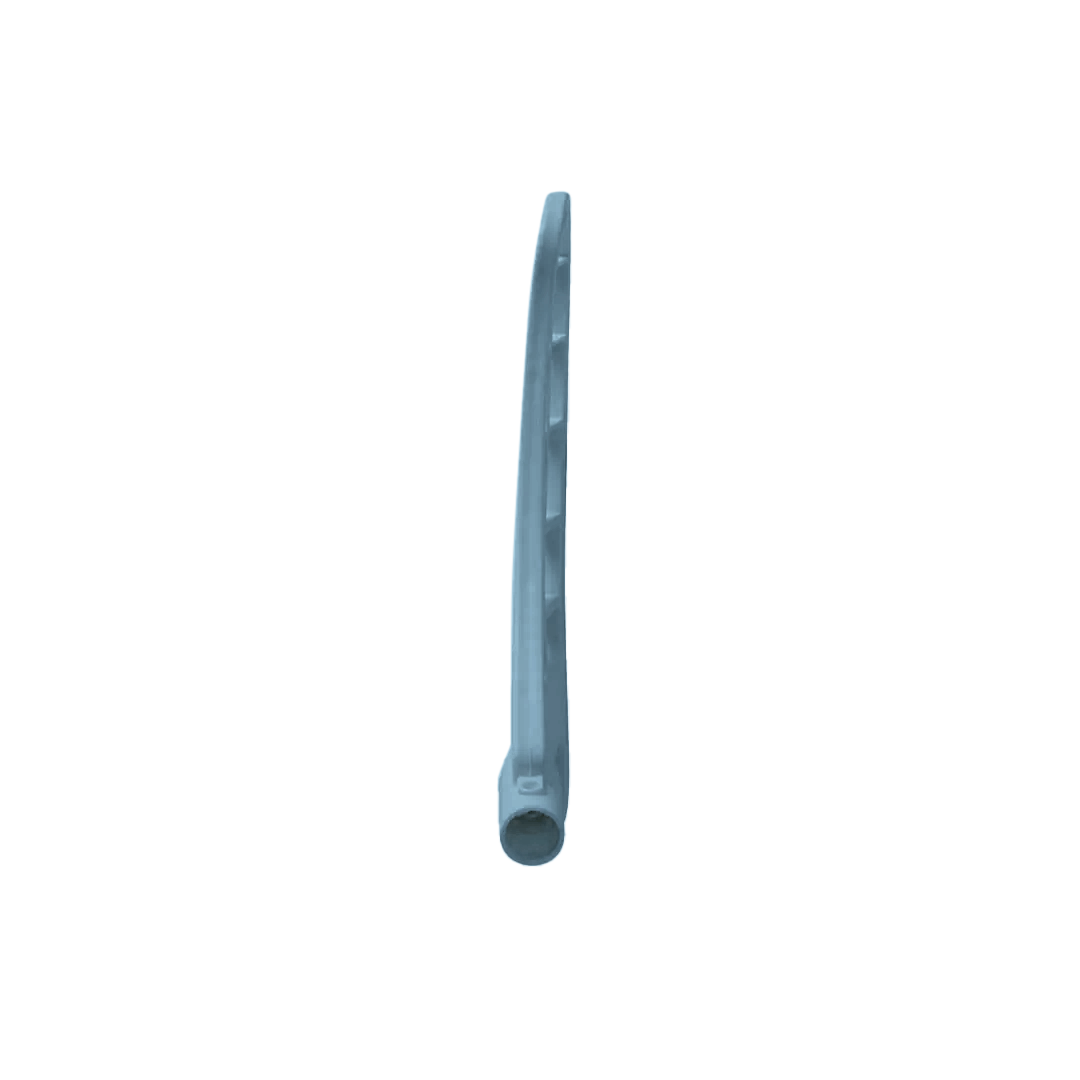
3. Remove the blade attached to the mallet. Pull the blade straight down as the blade has guide lugs that fit into the shaft's guide groove. If you twist off the blade, there is a risk that the guide grooves will break, which can lead to the new blade slipping.
4. Heat the neck of the new blade and insert the new blade. Make sure that the shaft rests properly and that the guide lugs go into the guide grooves. If the blade is loose against the shaft, put a piece of tape around the shaft before inserting the blade.
5. Screw in the screws. If you have changed the blade model, you may need to make new screw holes in the shaft. Use a 1.5 mm metal drill when drilling through fiberglass and/or carbon fiber. New screw holes do not affect the shaft's durability.
Good luck!